









































IP54 Is Not “Low Protection” — But It Must Be Understood Correctly
The IP code exists to classify an enclosure’s resistance to the entry of solid objects and harmful water ingress. It does not certify cell quality, fire resistance, corrosion resistance, thermal management, warranty strength or inverter compatibility. Those are separate questions.
In practical terms, IP54 is appropriate for an indoor or semi-sheltered installation where dust and occasional splashing are realistic concerns. It is not a licence to leave a lithium battery beneath open rain, direct afternoon sun or a leaking pipe. IP65 and IP66 provide progressively stronger enclosure protection, but buyers frequently pay for those numbers without first fixing the actual installation environment.
A shaded, dry, ventilated and professionally wired IP54 battery can be a much wiser investment than an expensive IP65 battery placed beside an exposed water source with undersized conductors and no correctly coordinated protection. The number on the cabinet matters. The engineering around the cabinet matters more.
The Daraz Price Is Not the Direct Solar Trade Hub Price
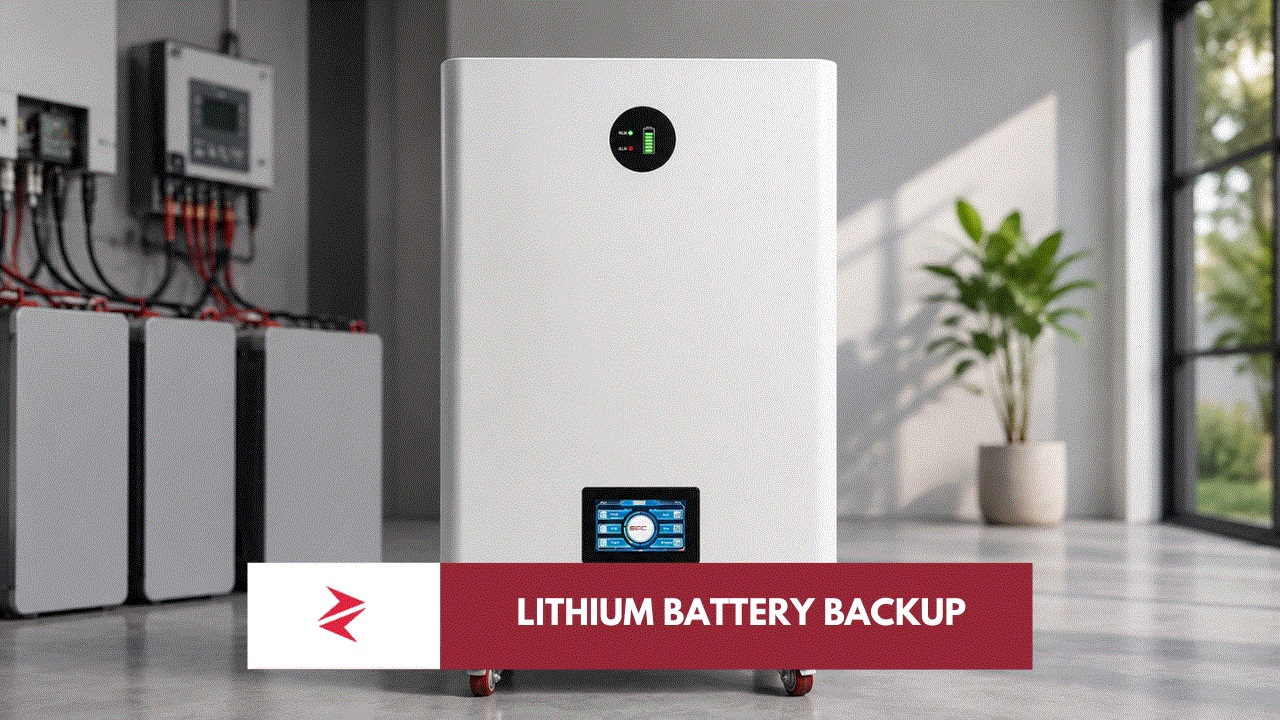
The Daraz product page displayed the SES Power 16.07kWh battery at Rs. 794,555 and showed Cash on Delivery as available. That price should not be mistaken for Solar Trade Hub’s direct introduction rate.
Daraz formally states that seller commissions vary by product category, while its marketplace agreement permits commission, service fees and other applicable deductions from seller payouts. The agreement also explains that Daraz processes payment and may provide logistics, fulfilment and related marketplace services.
Solar Trade Hub’s position is that the marketplace amount is higher because the transaction must absorb platform-related costs and the commercial risk associated with providing COD on a high-value, heavy battery. Daraz does not publicly itemise the exact markup on this particular listing, so the entire difference should not be presented as one independently verified platform-fee percentage. What can be verified is that the listing price is substantially higher, COD is offered, and Daraz’s commercial structure includes seller commission and potentially other service deductions.
Buying direct removes that marketplace layer, but a direct buyer should still demand a proper invoice, model identification, serial number, warranty terms, transport conditions and confirmation that the battery will communicate with the intended inverter.
“Compatible With All Inverters” Needs One Important Qualification
The SES marketing material describes the battery as configurable with all inverters, but no competent engineer should interpret that phrase as “connect any cable and it will work automatically.”
Closed-loop lithium communication depends on the inverter recognising the battery’s CAN or RS485 protocol. The correct communication cable, pin assignment, battery protocol selection, firmware version, charge voltage, maximum current and low-state-of-charge settings must all be confirmed. Some systems may operate in open-loop voltage mode, but that sacrifices part of the intelligent coordination provided by the BMS.
Before placing an order, Solar Trade Hub should be given the exact inverter brand, model, phase configuration and firmware information. That five-minute compatibility check is worth more than a hundred generic claims printed on a brochure.

How Much Backup Can a 16.077kWh Battery Provide?
Theoretical energy is not identical to usable AC energy. Assuming 90% usable depth of discharge and approximately 92% inverter conversion efficiency, a 16.077kWh battery would provide around 13.3kWh of practical AC-side energy. Actual results depend on temperature, load profile, inverter losses, battery limits, wiring and ageing.
| Average Connected Load | Illustrative Backup |
|---|---|
| 1kW | Approximately 13.3 hours |
| 2kW | Approximately 6.7 hours |
| 3kW | Approximately 4.4 hours |
| 5kW | Approximately 2.7 hours |
| 8kW | Approximately 1.7 hours |
An inverter air conditioner does not consume one fixed number throughout the night, which is why promises such as “three ACs for six hours” should never be made without load logging. The correct calculation uses actual kilowatt consumption, compressor behaviour, room temperature and the loads operating alongside the air conditioners.
The Real Value Ranking
For buyers seeking the lowest publicly recorded IP54 price, KNOX Powerbase at Rs. 598,000 is the benchmark visible in the rates sheet. Apex follows at Rs. 622,000. For buyers seeking a major international brand with very high enclosure protection, Dyness IP66 at Rs. 660,000 deserves consideration. For buyers prioritising brand pedigree, anti-corrosion positioning and global documentation, Pylontech Fidus remains credible at Rs. 690,000.
The revised SES Power IP54 becomes the leading value proposition when its direct introduction rate is combined with its 16.077kWh capacity, 10,000-cycle supplier claim, new BMS, touchscreen, Wi-Fi, Bluetooth and aerosol suppression. That ranking is not produced by pretending every battery is identical; it is produced by asking whether the additional Rs. 60,000, Rs. 100,000 or more demanded elsewhere purchases a benefit the customer will genuinely use.
How to Claim the Solar Trade Hub Introduction Rate
Contact Solar Trade Hub by calling or sending a WhatsApp message to 0311 1163264 and state:
“I read the SES Power 16.077kWh IP54 comparison article and want the introduction price.”
Request the revised IP54 model with upgraded 10,000-cycle cells, touchscreen, Wi-Fi and Bluetooth monitoring, new BMS and aerosol fire suppression. Confirm stock status, inverter compatibility, warranty conditions, delivery cost and installation requirements before payment.
Solar Trade Hub is located at 44-T, Commercial Area, DHA Phase 2, Lahore, and the product may also be reviewed through the earlier SES Power announcement and the wider Zorays Solar Pakistan energy ecosystem.
The Pakistani battery market will continue charging a badge tax for as long as customers compare logos rather than specifications. Once buyers begin comparing protected capacity, lifecycle claims, safety equipment and price per stored kilowatt-hour, the hierarchy changes quickly — and several expensive names suddenly look far less invincible.
Frequently Asked Questions
Is the SES battery 16kW or 16kWh?
It is a 16.077kWh energy-storage battery. Its instantaneous charge and discharge power depends on the BMS current limit and inverter configuration.