





































Share the post “Pakistan’s Smartphone Tax Is Now Payable in Instalments—but Is That Really Relief?”
Why Kasim Gilani calls it relief
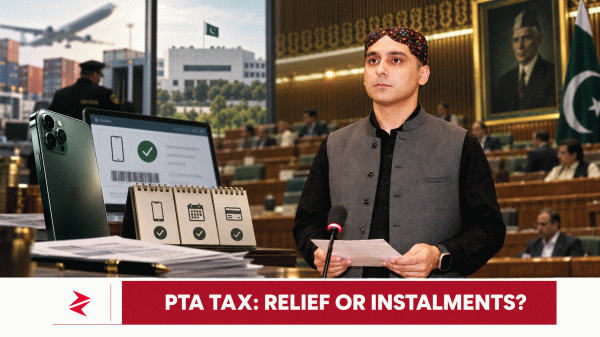
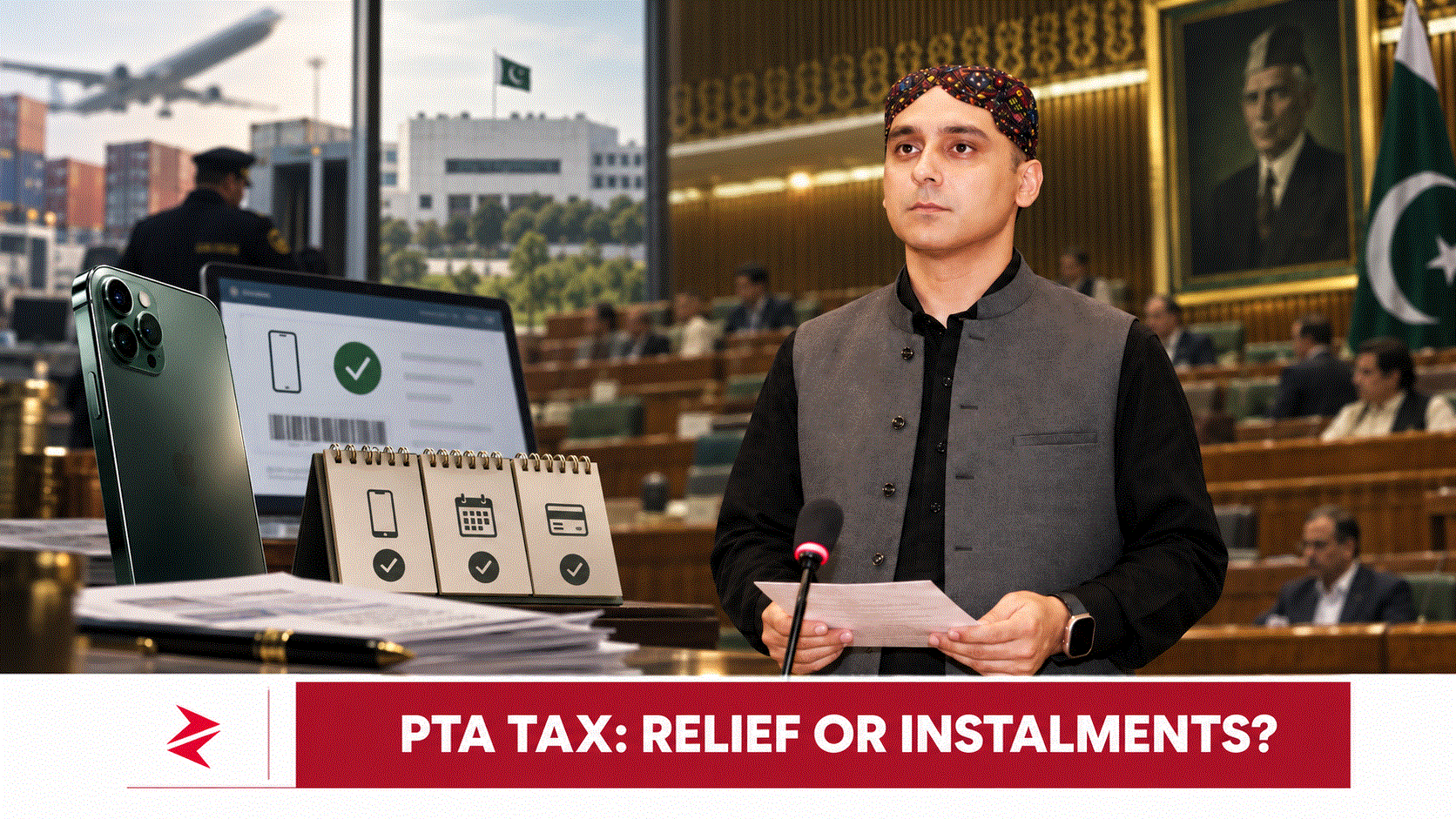
MNA Syed Ali Qasim Gilani says the amendment followed almost two years of advocacy, including raising the matter before the National Assembly.
His argument is straightforward: a person who owes a large tax amount may find monthly payments easier to manage than a six-figure demand made at once. For a salaried professional who already owns an imported phone but cannot immediately arrange the registration tax, the cash-flow benefit is real.
Gilani has also defended the underlying levy by arguing that buyers capable of purchasing phones worth hundreds of thousands of rupees can afford to pay tax—and that this is one of the few taxes wealthy consumers cannot easily avoid.
There is merit in distinguishing affordability from liquidity. Someone may be able to meet a liability over several months without being able to produce the same amount on one day.
But liquidity relief is not tax relief.
Why the public response has been overwhelmingly critical
The most common reaction is captured in one blunt sentence: the burden is now available in instalments.
Critics are not disputing that instalments can make payment easier. They are challenging the presentation of a deferred payment facility as a substantive concession.
If a person owes Rs200,000 before the amendment and still owes Rs200,000 afterward, the nominal tax burden has not fallen. The government has merely changed its collection timeline.
That creates several unanswered questions: