


















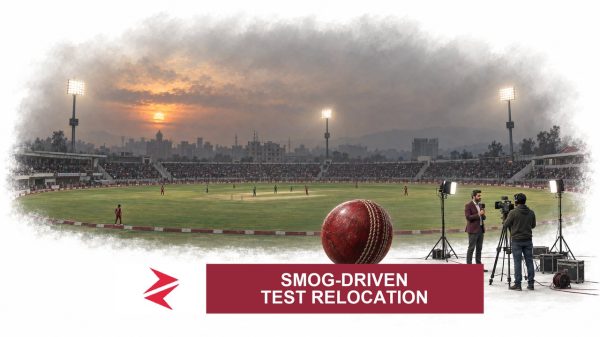



















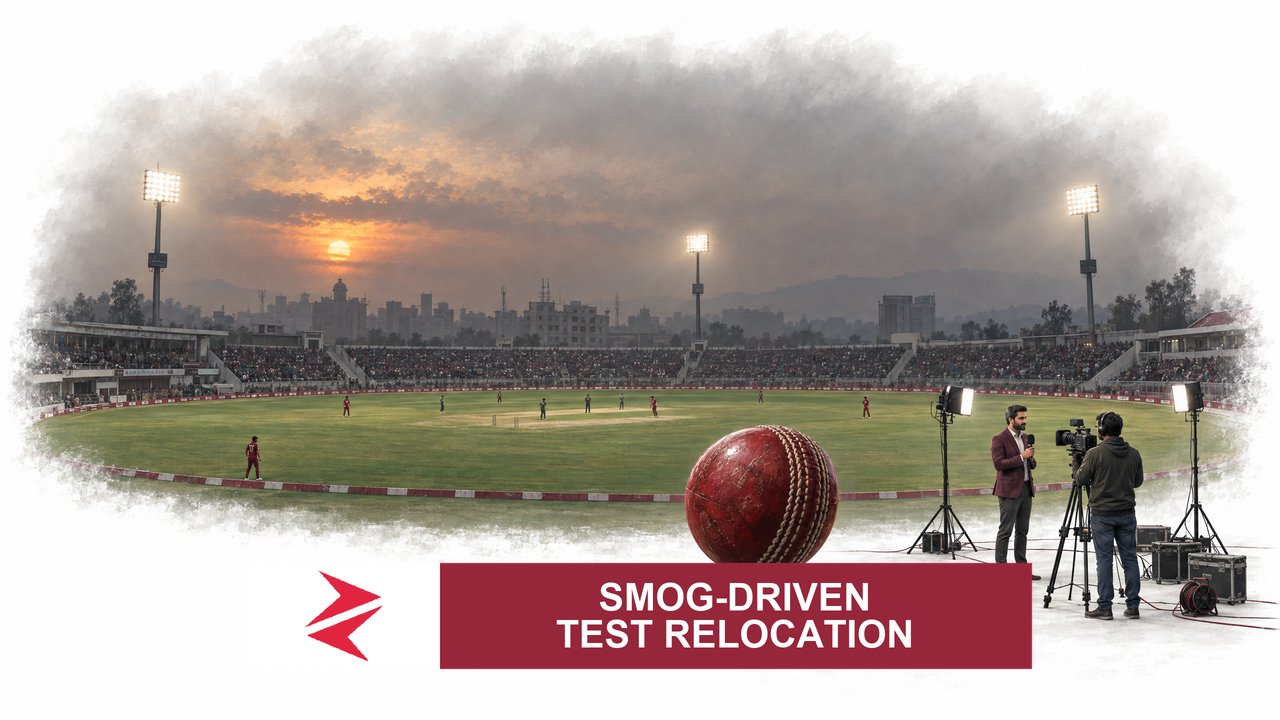
When the Pakistan Cricket Board announced that the second Pakistan‑Sri Lanka Test would no longer be played in Lahore but moved to Rawalpindi, the headline sounded responsible – ‘smog’ was the excuse. Yet the real story is not about clean air; it is about who bears the hidden cost of that decision.
Smog as a convenient scapegoat
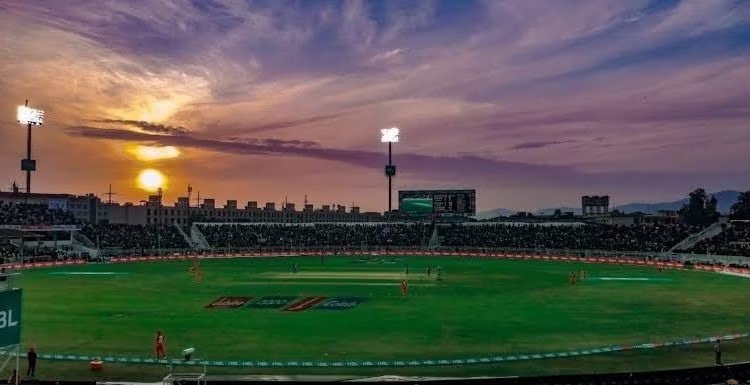
Mazher Arshad posted on X at 17:30 UTC on 10 Nov 2026: “The second Test between Pakistan and Sri Lanka has been relocated from Lahore to Rawalpindi due to rising smog levels in Lahore. The match will now be played at the Rawalpindi Cricket Stadium from November 17 to 21.” The post is the only source in our record that directly links the venue shift to smog. No AQI data, no PCB press release, no independent news article corroborates the claim. In other words, the smog narrative rests on a single user‑generated tweet, not on a verified environmental report.
What Rawalpindi inherits
Haroon Sajid welcomed the move, tweeting, “Thank God. Was anticipating road closures again in Lahore!” (17:40 UTC). The relief is personal, but it masks a larger inconvenience. Nazakat Ali complained, “Wtf Hundreds of people already suffering due to bad management of road closure, halting metro bus operation at the office time in morning, closure of stations in morning time.” (17:35 UTC). The relocation forces thousands of commuters in the twin cities to endure traffic snarls, lost work hours and increased fuel consumption – costs that never appear in the smog‑story.














