





























The Holiday Rumor: Unverified and Unhelpful
Parallel to the mural discussion, an auto‑generated X trending summary claimed that Pakistan had declared a public holiday on 9 Nov, held a wreath‑laying ceremony in Lahore, and organised poetry recitals for students in Uzbekistan. The summary itself carries a “unverified” label and no primary source – no Ministry of Culture tweet, no Gazette notice, no press release. In the absence of such documentation, the holiday claim must be treated as rumor. Its circulation, however, reveals a deeper problem: official‑sounding narratives can spread unchecked when they align with nationalist sentiment.
Why Ordinary Pakistanis Should Care
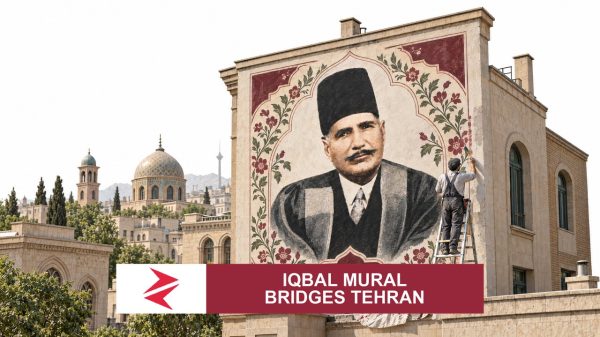
For a citizen earning roughly $1,500 per year, a mural in Tehran is not just a piece of art; it is a potential lever for tangible benefit. Cultural recognition abroad can translate into increased tourism, scholarship exchanges, and soft‑power capital that the state can convert into jobs for drivers, guides, and small‑scale artisans. If the alleged holiday were real, schools would close, families could gather, and publishers might rush affordable editions of Iqbal’s works. Conversely, if the holiday is a phantom, the public’s disappointment fuels cynicism toward government communication – a sentiment already palpable in the X thread.
Cultural Diplomacy or Soft‑Power Play?
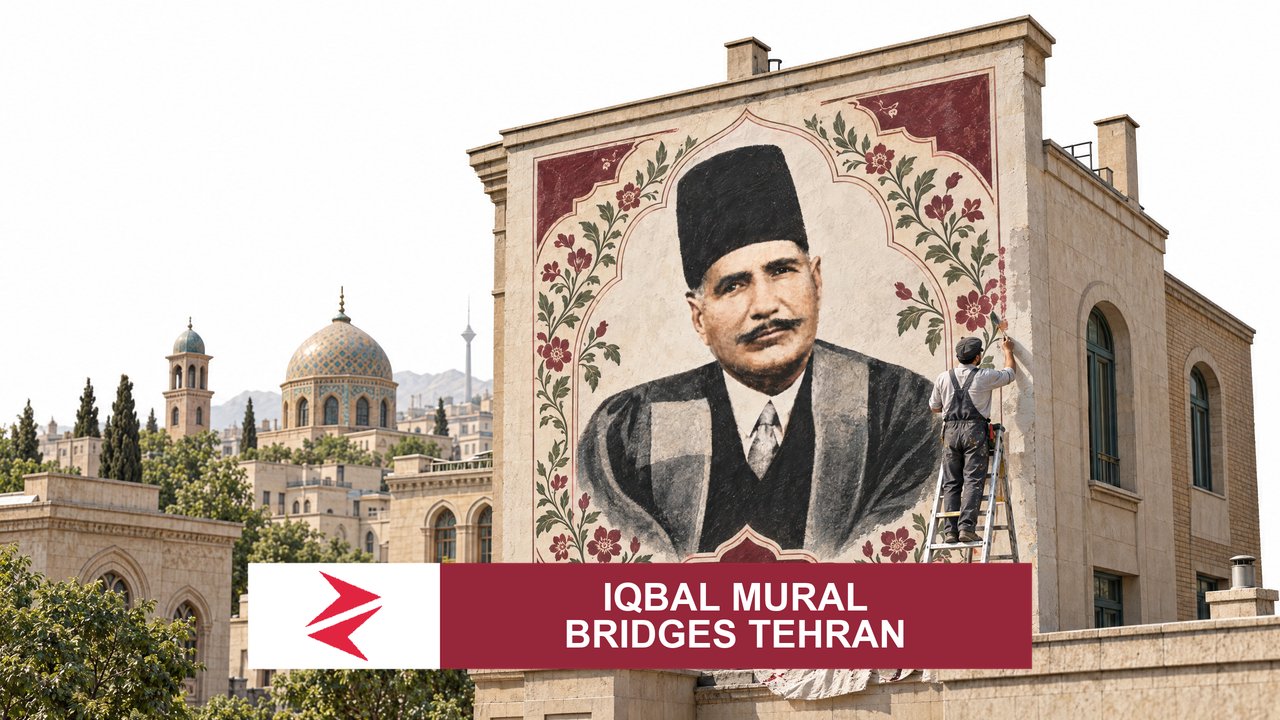
Iran’s decision to honour Iqbal cannot be reduced to a simple artistic gesture. Pakistan and Iran share historic linguistic ties – Persian heavily influenced Urdu – and a strategic partnership against regional extremism. By foregrounding a poet who championed “dignity, knowledge, and unity,” Tehran subtly reinforces a narrative that aligns with Islamabad’s self‑image as a defender of Islamic civilization. The mural thus functions as a public‑diplomacy tool, a visual reminder that cultural icons can bridge geopolitical divides without the fanfare of high‑level state visits.
Keeping the Record Straight
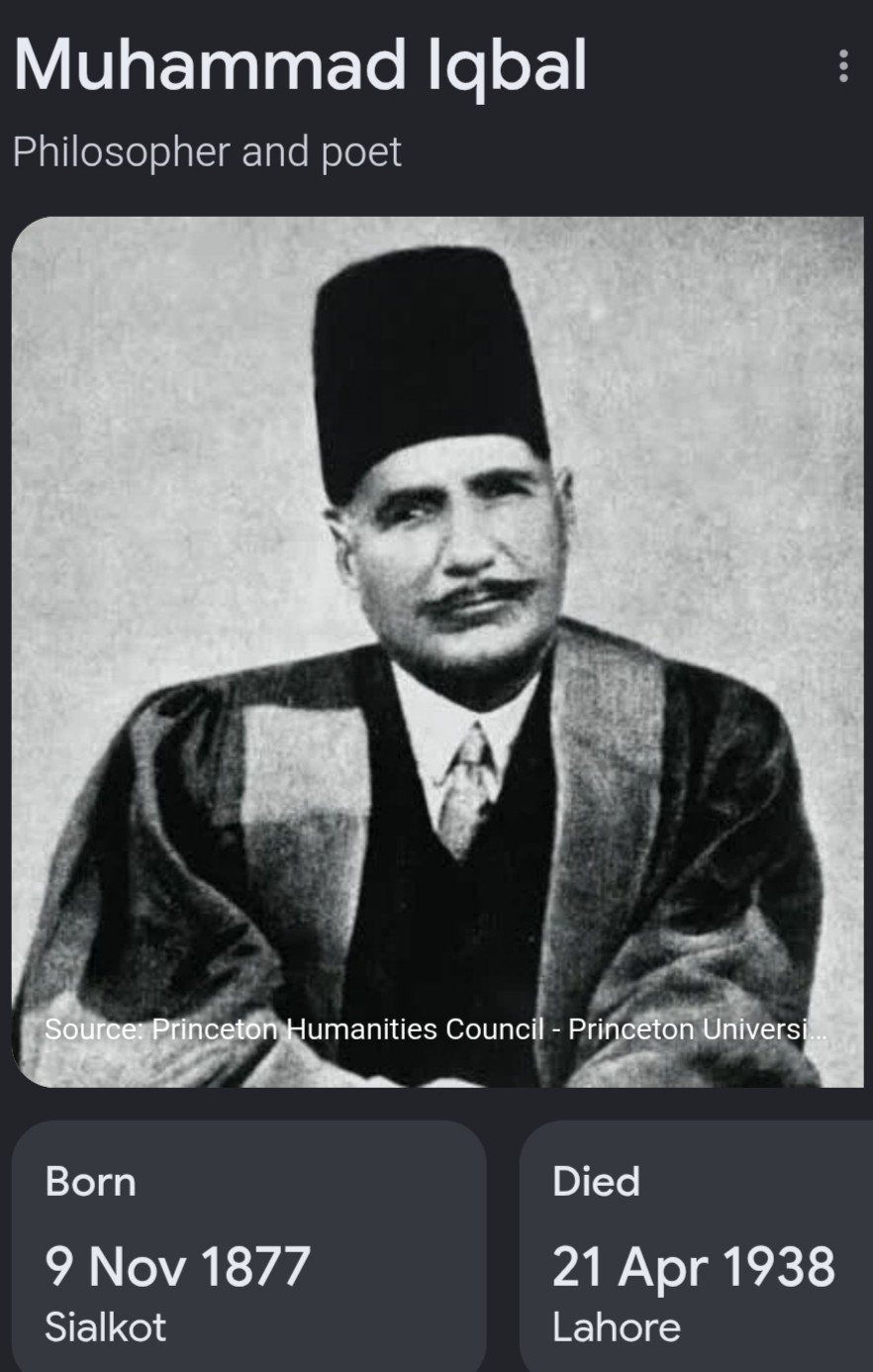
Two facts cut through the chatter: the mural exists, and Iqbal died in 1938. Everything else – the language label, the post‑independence poetry myth, the public holiday – either requires nuance or remains unverified. The responsible approach is to repeat the verified facts, flag the unverified claims, and demand concrete evidence before they are treated as truth.














