






































How Indian Goods Keep Coming In
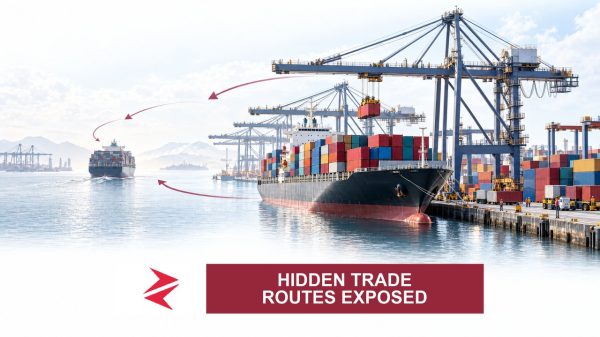
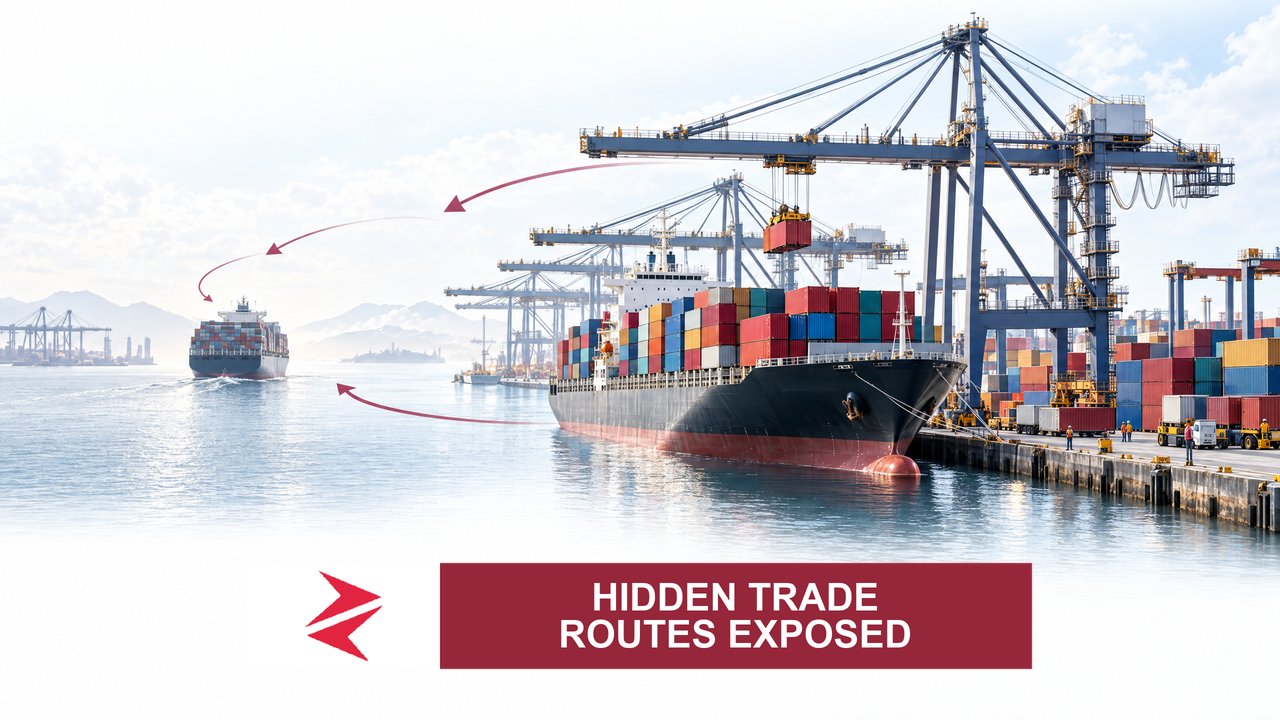
A post on X by user KK explains the mechanics: most “indirect trade” is routed through third‑country maritime hubs such as Dubai, Singapore or Colombo. Goods leave Indian ports, enter free‑trade or bonded warehouses in those hubs, are re‑consigned and then shipped to Pakistani ports under a new certificate of origin. The process is legal under existing customs rules, but it defeats the spirit of the border‑closure policy and adds hidden logistics costs that are ultimately borne by the consumer.
Another X post by the same user confirms that limited exemptions exist for essential pharmaceuticals and active pharmaceutical ingredients, allowing a narrow stream of life‑saving medicines to cross directly despite the broader ban. While the exemption is humane, it highlights the inconsistency of a policy that blocks bulk Indian imports yet permits a privileged few medical shipments.
The Ordinary Person’s Burden
When imports swell without corresponding exports, the trade imbalance forces the State Bank of Pakistan to dip deeper into foreign‑exchange reserves or to raise the rupee’s valuation, both of which raise the cost of imported fuel and food. A truck driver earning the minimum wage of PKR 25,000 now faces an extra PKR 1,200 per trip because the cargo must be rerouted through the longer China‑Pakistan Economic Corridor or maritime ports instead of the cheaper overland route that used to pass through the now‑closed borders.













