








































When Sports Platforms Become Political Stages
The Guardiola video is not an isolated incident. Earlier this year, Sky Sports inserted an interview with Imran Khan’s sons into a live England‑Pakistan Test, prompting the PCB to lodge a formal complaint. The broadcaster defended the segment as “free journalism,” yet the timing and placement suggested a calculated attempt to politicise a sporting event. Both cases expose a double standard: sports entities feel free to weaponise their platforms when it suits a narrative, but they balk when the narrative runs counter to their commercial interests.
Such double standards are not merely editorial missteps; they are institutional failures. When a broadcaster can turn a cricket interval into a political megaphone, it raises the question of who decides which crises get airtime and which are relegated to the background. The answer, more often than not, is the same handful of media conglomerates that profit from sensationalism.
Why the Timing Matters
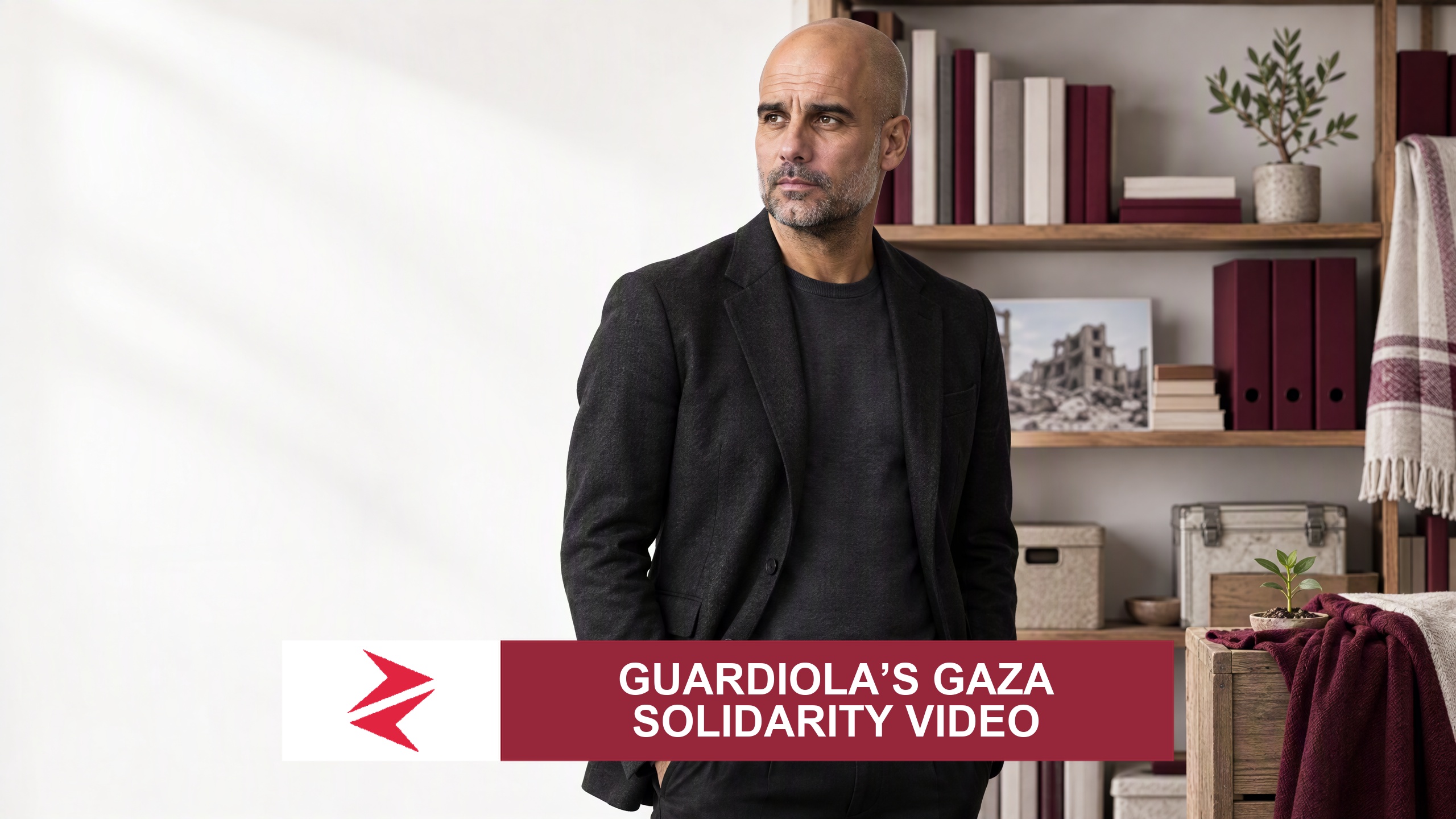
Guardiola’s video arrived at a moment when the international community was already fatigued by the Gaza war. The timing – just days after the UN announced a new humanitarian corridor that has yet to materialise – gave the appearance of relevance while offering no new leverage on the ground. In the absence of measurable outcomes – no reported increase in UNRWA funding directly linked to the clip, no policy shift from major powers – the video remains a symbolic act. Symbolism is not inherently worthless; it can inspire. But when symbolism is packaged as a solution, it becomes a deflection.
Accountability: Who Should Be Held Responsible?
Guardiola’s intention appears sincere, and UNRWA’s involvement is documented. The real accountability, however, lies with the structures that allow a single video to be hailed as a milestone in humanitarian advocacy. Governments that maintain the blockade, media houses that cherry‑pick crises, and NGOs that rely on celebrity endorsement without demanding systemic change all share responsibility.
For Pakistan, the lesson is clear: we must demand that our own sports icons speak not only for distant peoples but also for the forgotten in our own neighbourhoods. We must stop allowing token gestures to replace concrete policy demands. The public cost of such gestures is measured not in likes or shares, but in the lives that remain un‑served while the world watches a football manager speak.













