




























Voices of dissent
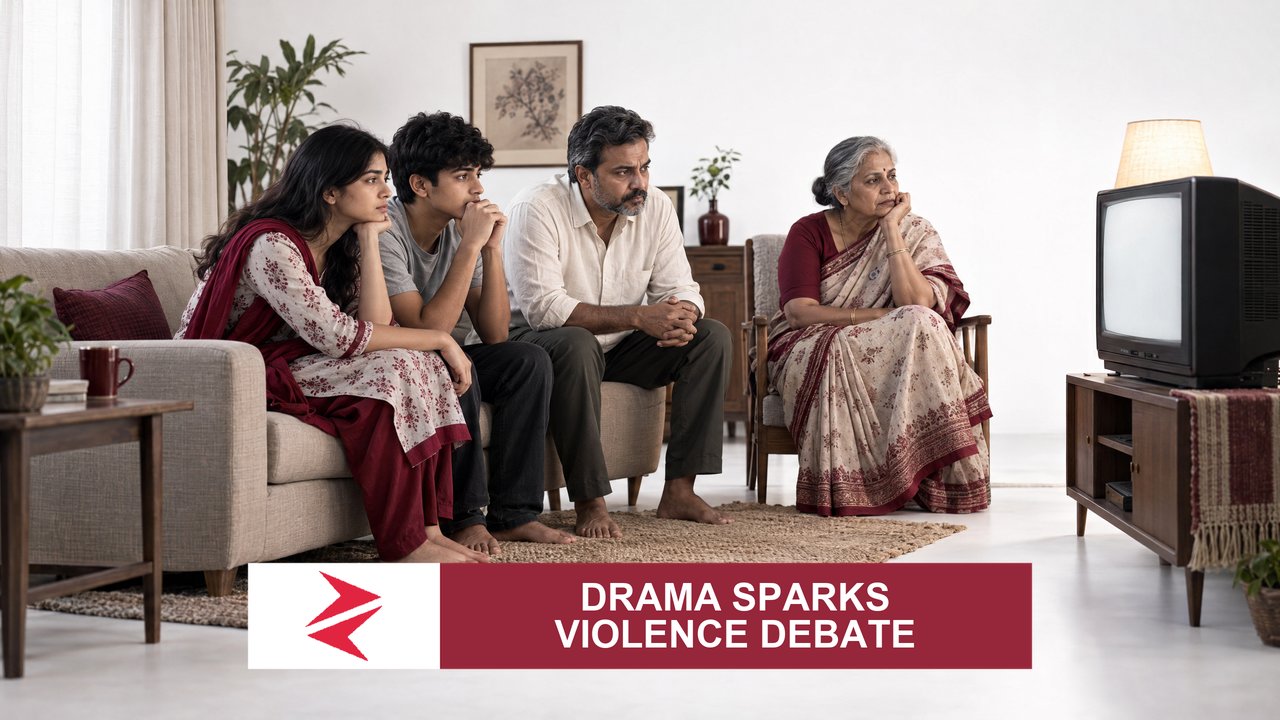
Not everyone is celebrating. One X user, known as @pastaaqueen, wrote, “we already live in a country where women are killed in the name of honour… a man burning his sister and the media framing him as some sort of hero? Is GEO fucking insane?” The post does not provide a clip of the alleged scene, but it flags a real anxiety: that prime‑time drama may be normalising the very honour‑based violence that already haunts Pakistani households.
Why the controversy matters
When a drama reaches the living rooms of millions, its narrative choices influence public attitudes. If a storyline depicts a brother committing an atrocity and then treats him as a hero, it sends a dangerous message to viewers who already grapple with honour‑related crimes. The cost is not abstract; it is measured in the lives of women who fear retaliation for speaking out. Media responsibility, therefore, is not a luxury but a legal‑moral duty.
Economic incentives and media capture
High‑budget productions like Mitti De Baway are financed by advertisers who chase the same viewership numbers that fans celebrate. The Pakistani rupee has been volatile, and television advertising remains a reliable revenue stream for broadcasters. This creates a perverse incentive: sensational, even violent, storylines that guarantee clicks and ad dollars, regardless of social fallout.