


































Where does the narrative of combat loss come from?
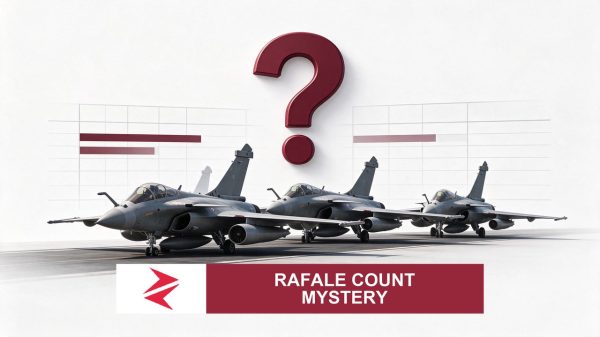
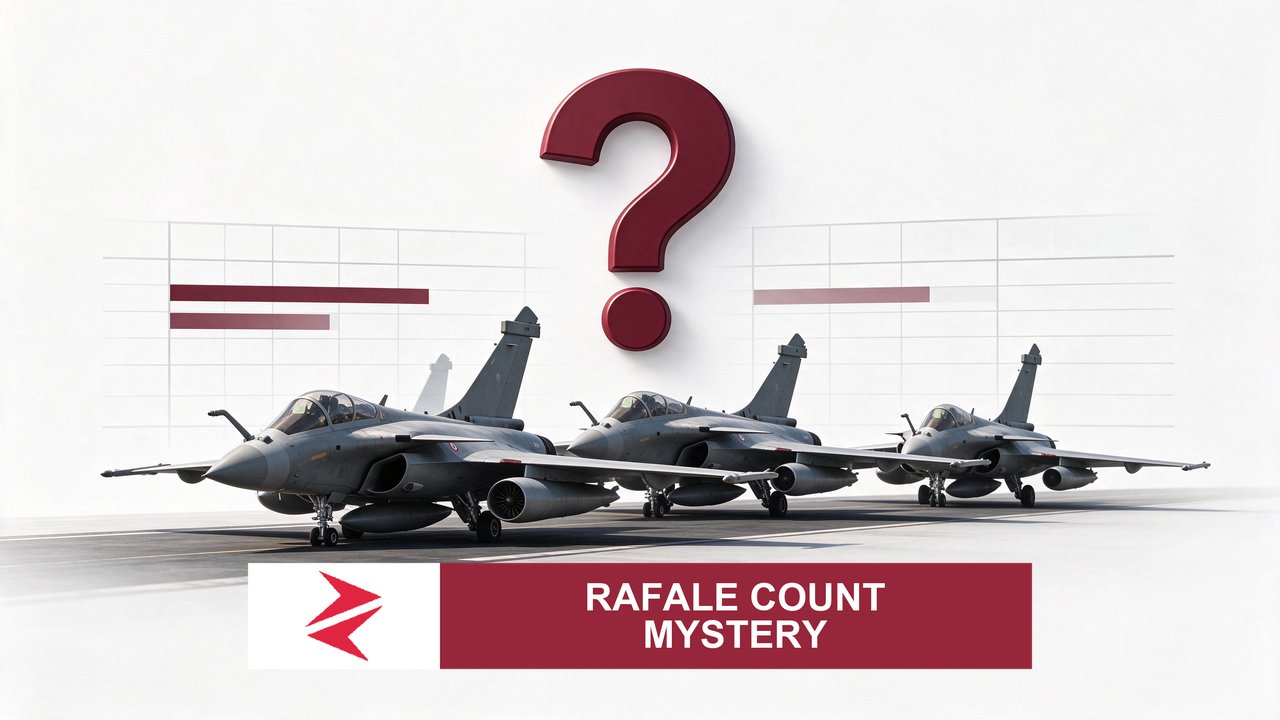
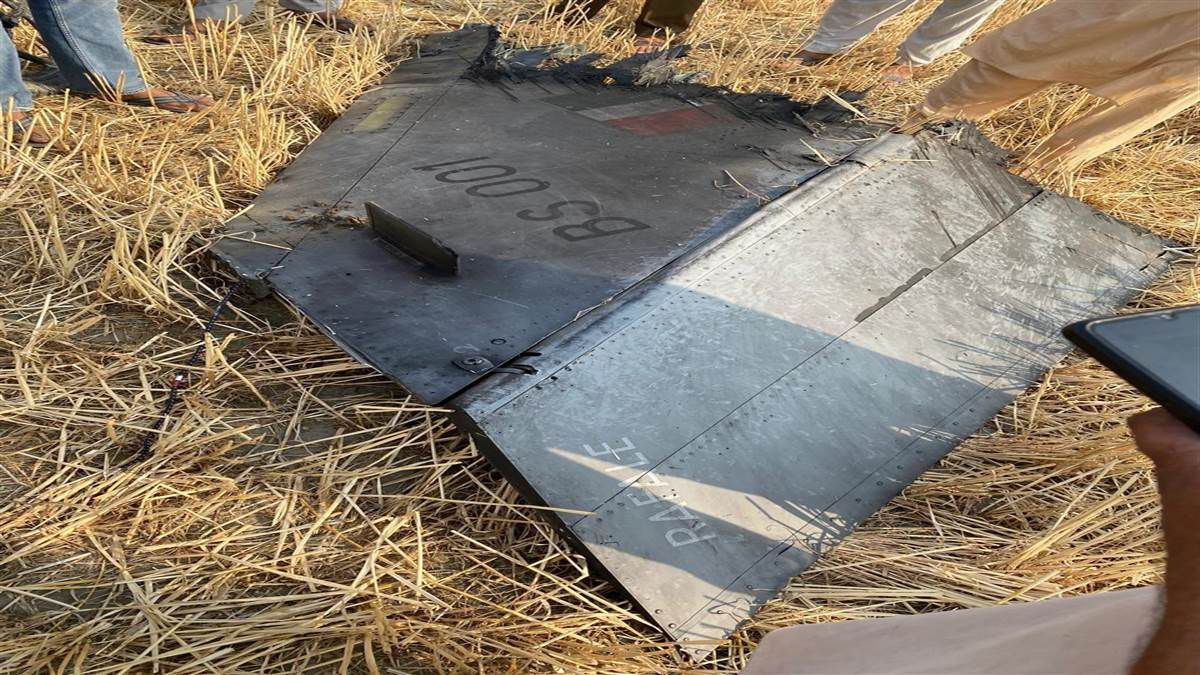
Social media is awash with claims that Pakistan shot down four Rafales during an unnamed “Operation Sindoor.” These posts cite no official after‑action report, no wreckage footage, no independent verification. The Indian Ministry’s silence on the matter does not confirm the claim; it merely fuels speculation. In the absence of any concrete evidence – satellite imagery, wreckage photos, or credible eyewitness accounts – the allegation remains an unverified rumor. The same pattern repeats: a foreign source publishes a number; Indian officials deny the source; a social‑media echo chamber fills the void with dramatic, unsubstantiated stories.
Accountability should start in Parliament
India’s parliamentary system provides a mechanism for scrutiny. During the last defence debate, a Member of Parliament asked the Defence Minister to explain the discrepancy between the FlightGlobal count and the Ministry’s figures. The Minister’s response was a non‑answer, reiterating that the numbers “were not supplied by the Ministry.” No document was produced, no audit was offered, and the question was moved to the next session. This procedural evasion is a textbook case of institutional failure to answer the public’s right to know.
What the public can demand
1. **A detailed audit of the Rafale fleet.** The Ministry must publish a list of all 36 aircraft, their serial numbers, and their current status – active, under maintenance, retired, or otherwise.
2. **Transparency on procurement contracts.** The 114‑Rafale follow‑on deal should be accompanied by a cost‑benefit analysis that accounts for the four missing jets.
3. **Parliamentary oversight.** A standing committee on defence procurement should be empowered to summon the Defence Ministry and the IAF for regular briefings.
4. **Public disclosure of any combat losses.** If any Rafales were lost in combat, the government must provide evidence – crash site photos, loss of life reports, or at least a formal acknowledgement.
Why the silence hurts national security
Concealing fleet reductions does not make the aircraft any more capable. It merely blinds the nation to its own vulnerabilities. An adversary – be it Pakistan or any other regional power – can exploit the uncertainty. Moreover, the lack of honest reporting undermines the morale of the pilots who risk their lives daily. A pilot who cannot trust the data about his own squadron’s strength is fighting a war on two fronts: the enemy’s sky and his own ministry’s opacity.
Lessons from past operations
In Operation Bandar, the IAF’s mis‑calculation led to a botched strike that cost lives and diplomatic capital. The episode taught us that over‑hyped, under‑prepared missions invite disaster. The Rafale count issue is a quieter, bureaucratic disaster – one that could cost billions and erode public confidence if left unchecked.
Conclusion – the question that must be answered
FlightGlobal’s data is a credible, independently verified source. The Indian Defence Ministry’s refusal to confirm or refute the figure leaves a gaping hole in public knowledge. The cost of that hole is paid by every citizen who funds the Rafale programme, by every pilot who flies an uncertain fleet, and by every family that may never learn the fate of a missing aircraft. The decisive question is simple: Will the Ministry finally publish an audit of the Rafale fleet, or will it continue to let four jets disappear into bureaucratic darkness while demanding billions for new ones? The answer will reveal whether the state puts the people’s right to know above the politics of procurement.