
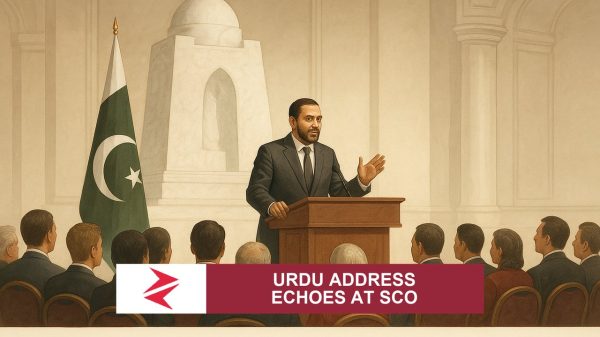


































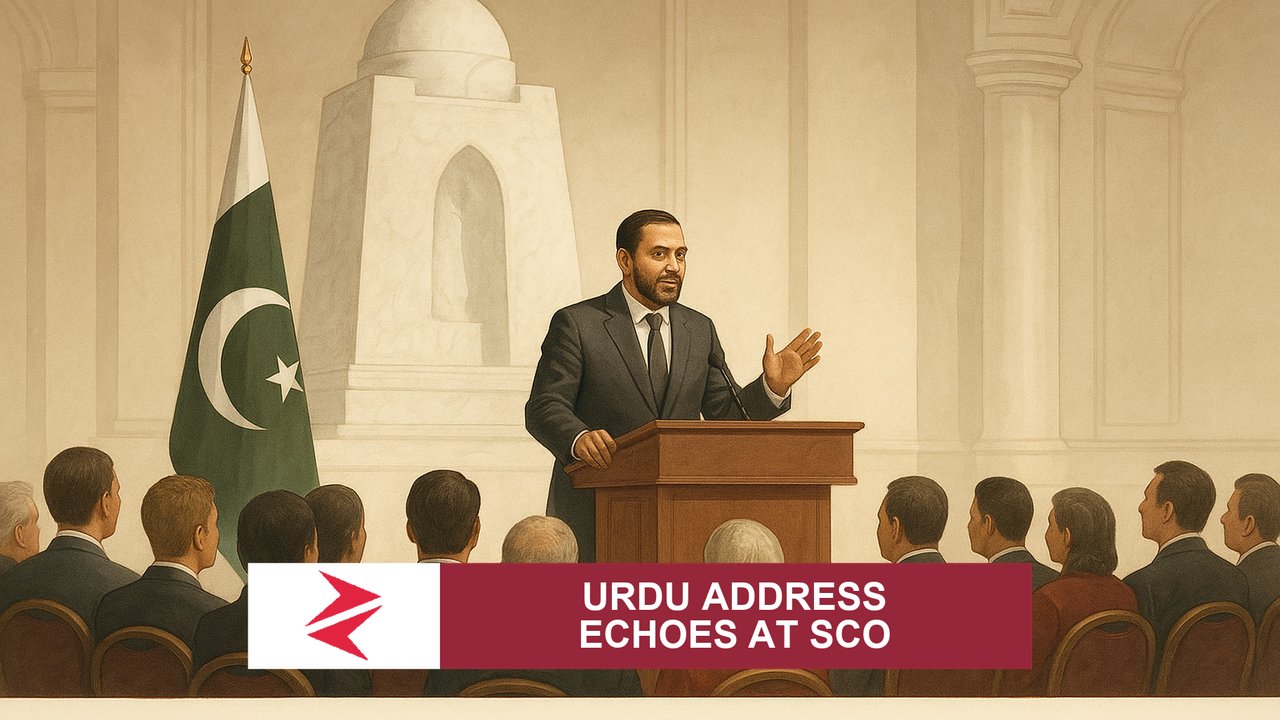
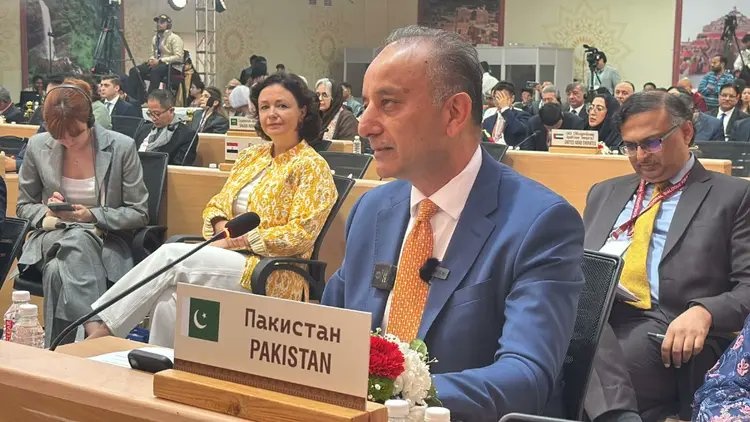
When Dr Musadik Malik, Pakistan’s federal climate‑change minister, stepped onto the dais of the first SCO Civilizational Dialogue in New Delhi, the marble silhouette of Mirza Ghalib’s tomb loomed just a few kilometres away. He opened in English, then declared, “I will now speak to you in the language of my heart—Urdu.” The bilingual switch was captured live and instantly became the story that crossed the border (Evidence 1).
Urdu on Ghalib’s Steps: A Cultural Gambit
BBC Urdu’s Ghazala Wahab praised the performance, writing that Pakistan had made “the best choice” for representation (Evidence 12). The same sentiment echoed in PakistanTV.com’s headline that the Urdu address won “cross‑border praise” (Evidence 1). For a nation whose official discourse oscillates between English and Urdu, hearing a federal minister converse in Urdu on foreign soil is a morale boost that re‑asserts the language’s status as a marker of identity.
The Bilingual Switch: Pride and Pragmatism
Critics on X pointed to the opening English remark as a contradiction, arguing that the minister only switched to Urdu for optics (Evidence 4). The evidence, however, shows a deliberate bilingual strategy: English to address the multilateral audience, Urdu to connect with cultural sympathisers. The move mirrors the SCO’s own “civilizational dialogue” concept, originally coined by India’s Prime Minister Narendra Modi (Evidence 21), and demonstrates how soft power can be weaponised without abandoning diplomatic protocol.