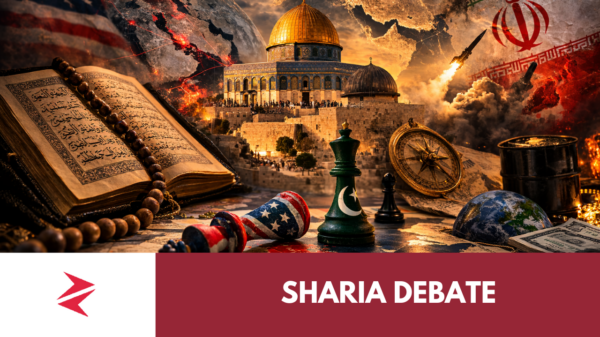


































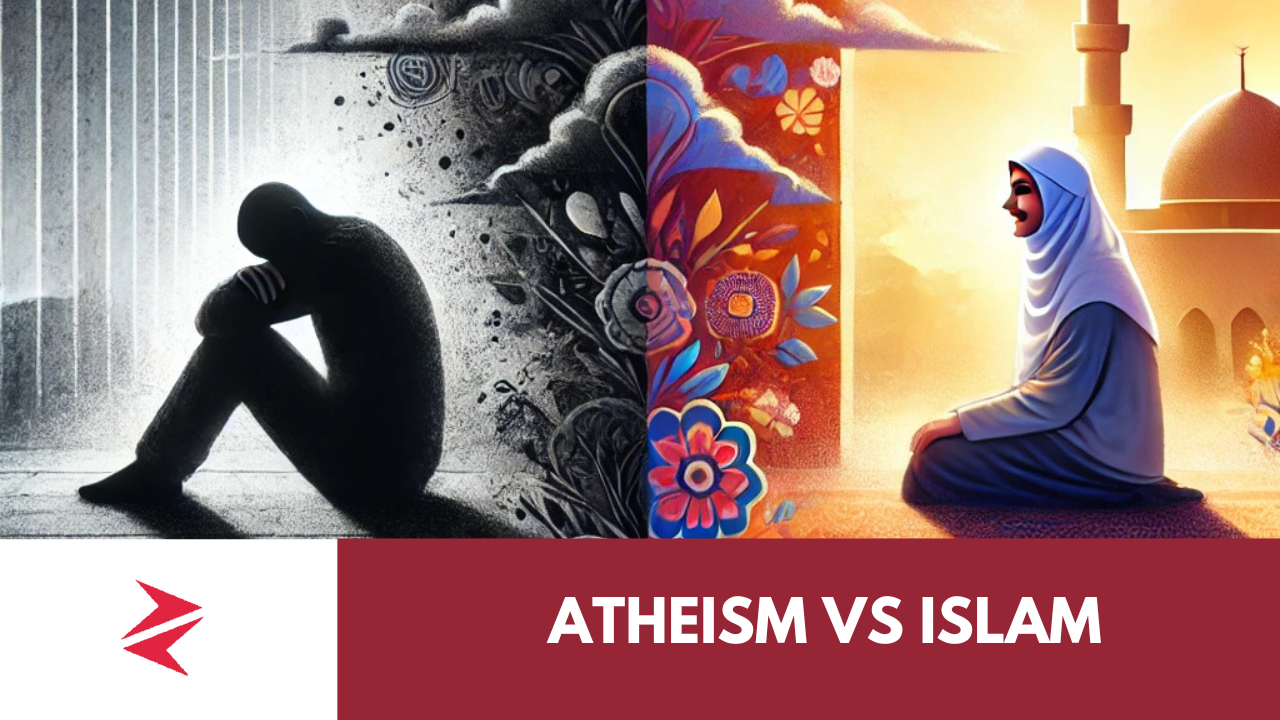
The debate between atheism and Islam, particularly in the context of Pakistan, is a complex and multifaceted discourse that navigates through religious, cultural, and social dimensions. This debate is fueled by a range of factors, from disillusionment with religious authorities to the role of science and logic, as well as the growing influence of social media in shaping public discourse. On one side, atheism presents itself as a belief system rooted in skepticism and reliance on logic and reason, while Islam, particularly in its orthodox forms, emphasizes faith, divine revelation, and submission to God’s will.
Lets first find basic definitions e.g. basic difference agnostic vs atheist, :
Agnostic people are individuals who hold a philosophical or religious stance characterized by uncertainty or skepticism about the existence of God or deities.
-
Agnosticism generally refers to the view that the existence of God, the divine, or the supernatural is unknown or inherently unknowable. This stance doesn’t necessarily deny the possibility of a deity; instead, it asserts that human beings do not have sufficient evidence or capability to affirm or deny such existence with certainty.
-
Types of Agnosticism:
-
Agnostic Atheism: These individuals do not believe in gods but acknowledge that they cannot know for certain if gods exist.
-
Agnostic Theism: These people believe in the existence of a god or gods, but accept that they cannot prove this belief rationally or empirically.
-
-
Distinction from Atheism and Theism:
-
Atheism typically refers to the lack of belief in gods or the belief that no gods exist. An atheist might be agnostic in the sense that they do not claim absolute knowledge, but they still do not believe.
-
Theism is the belief in at least one deity. Theists might also be agnostic if they admit that their belief cannot be proven or known with certainty.
-
-
Philosophical Stance: Agnosticism often intersects with epistemological questions about what can be known, how it can be known, and the limits of human understanding.
-
Cultural and Social Context: In many societies, agnosticism might be less about a formal philosophical position and more about a personal stance of not committing to religious beliefs due to a lack of convincing evidence, while still being open to spiritual or existential questions.
what is thomas jefferson’s view of the relationship between religion and government?
-
Separation of Church and State: Jefferson famously advocated for a “wall of separation” between church and state. This concept is often traced back to his 1802 letter to the Danbury Baptist Association, where he wrote, “I contemplate with sovereign reverence that act of the whole American people which declared that their legislature should ‘make no law respecting an establishment of religion, or prohibiting the free exercise thereof,’ thus building a wall of separation between Church & State.”
-
Religious Freedom: Jefferson was a staunch supporter of religious freedom. He believed that individuals should be free to worship (or not) according to their own conscience without government interference. This is reflected in the Virginia Statute for Religious Freedom, which he drafted and which later influenced the First Amendment.
-
Against Established Religion: Jefferson was against the idea of an established or state-sponsored religion, which was common in Europe at the time. He believed that government endorsement of any religion would lead to corruption of both government and religion.
-
Moral Foundation: While Jefferson advocated for separation, he also believed that religion provided a moral foundation beneficial for society. However, he thought this moral guidance should come from personal conviction, not from governmental enforcement.
-
Personal Beliefs: Jefferson’s own beliefs were complex. He was considered a Deist, with a rational approach to Christianity, often referred to as Jeffersonian Christianity, where he admired the moral teachings of Jesus but rejected many traditional Christian doctrines like the Trinity and the divinity of Jesus.
-
Public Policy: In practice, Jefferson’s policies reflected his beliefs. For instance, he refused to issue presidential proclamations for days of prayer and fasting, believing it inappropriate for the President, in a secular capacity, to prescribe religious exercises.
1. Islamic Perspective on Atheism
Social Hashtags: