























Share the post “BRICS or Buffet? How India’s Summit Optics Ate Its Diplomatic Message”
Modi’s hand-holding photo-op turned choreography into cringe
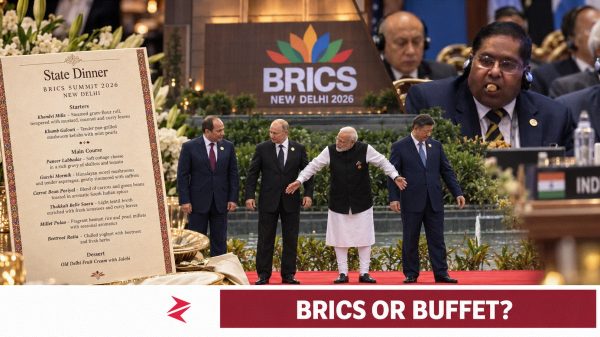
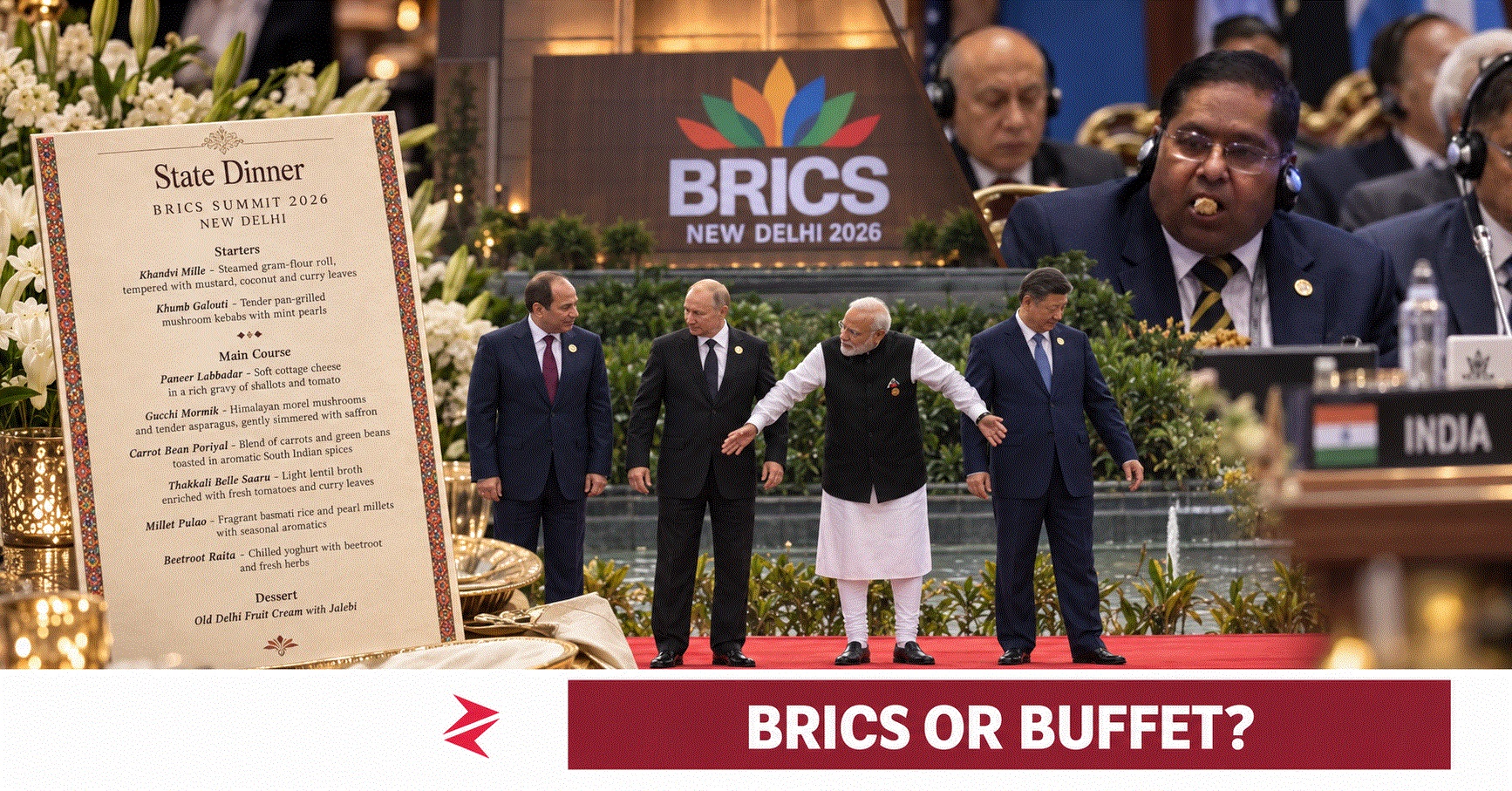
The second spectacle emerged from the summit photograph. Video showed Narendra Modi gesturing as the leaders took their positions and creating a conspicuous linked-arms moment with Vladimir Putin and Xi Jinping. Supporters saw personal warmth and confident leadership. Critics saw a host forcing spontaneity into existence because the camera demanded an image of Modi physically joining the two most powerful men in the frame.
International group photographs are choreographed routinely. Positions are ordinarily planned through protocol teams, floor markers, precedence rules and rehearsed movements. A leader giving a small positional cue is therefore not a diplomatic scandal. What made the BRICS sequence unusual was its visual insistence: the gesturing, repositioning and hand-linking became the event, overwhelming the institutional purpose of the photograph.
That is the risk when foreign policy is converted into political advertising. Modi was no longer merely chairing a multilateral gathering; the image had to show him as the indispensable centre of a new world order.
The result generated exactly the opposite reaction among critics. Instead of seeing effortless authority, viewers described “overacting,” “sheer vanity,” “cheap acts” and a “cringe” photo shoot. Claims that Putin was forcibly displaced, that a South African delegate was intentionally insulted or that racial hierarchy dictated the arrangement go beyond what the available footage proves. The defensible conclusion is narrower and stronger: the choreography looked sufficiently awkward to distract from the summit and sufficiently personality-driven to invite questions about why the host needed to control the frame so visibly.
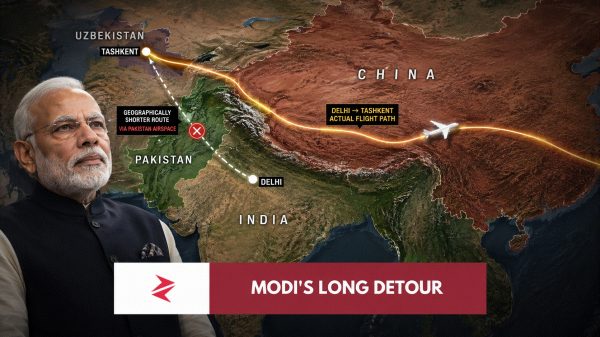
This pattern resembles the broader image-making problem examined in Modi’s extraordinary airspace detour and the strategic reality India could not conceal. Political imagery can project confidence for a few seconds, but geography, protocol and unedited video remain stubborn.
The snack clip became the summit’s perfect visual metaphor
Then came the dry fruits.
During an important summit session, cameras recording Iranian President Masoud Pezeshkian also captured Indian officials seated behind him, including MEA spokesperson Randhir Jaiswal. Jaiswal appeared to repeatedly take nuts from a container, eat them and lick his fingers. Social media immediately converted the footage into “Mission: Find the snacks,” “BRICS buffet” and “thoosniti”—a pun replacing diplomacy with stuffing oneself.
Defenders were correct about one thing: refreshments are placed on conference tables precisely because officials endure compressed schedules, missed meals and lengthy proceedings. Eating a few nuts is neither corruption nor a diplomatic offence. Veteran journalist Ravish Kumar reportedly criticised the excessive humiliation directed at Jaiswal, observing that hunger during long official programmes is entirely normal.
That defence addresses the eating but not the optics. A senior government spokesperson is a professional communicator operating inside a globally televised session. The recurring reach toward the container, visible chewing and finger-licking became distracting because they occurred directly behind an addressing head of state. The issue was never that a human being became hungry. It was that a communications professional failed to recognise the camera, the setting and his place within its composition.
Diplomatic protocol is not a mystical book of royal commandments. Much of it is situational judgment: avoid behaviour that distracts from the speaker, minimise movement in the camera line and remember that the host delegation is being observed more intensely than ordinary participants. A discreet bite is human. Persistently creating the most memorable background action in the frame is poor situational awareness.

Still, the ugliest responses deserve rejection. Comparing an Indian official to an animal, attacking his class or caste background, or claiming particular occupations are beneath state representatives does not become legitimate criticism merely because the footage is embarrassing. Behaviour can be criticised without degrading a human being. The distinction matters especially when partisan platforms reward cruelty faster than accuracy.
The AI-generated photograph exposed an even bigger credibility problem
While audiences mocked authentic footage, BJP political figures were also criticised for circulating an AI-generated summit image containing impossible or absent participants. Fact-checkers noted that one fabricated composition included former Iranian president Ebrahim Raisi, who died in a helicopter crash in 2024; Brazilian President Luiz Inácio Lula da Silva, who did not attend the New Delhi summit; and Turkish President Recep Tayyip Erdoğan, whose country was not participating as a BRICS member.
A fact-check published by BOOM concluded that the viral Modi-with-world-leaders image was AI-generated. That is not a harmless aesthetic mistake when shared by politicians around a diplomatic summit. It contaminates the public record and trains audiences to treat fabricated proximity as an achievement. BOOM Fact Check
This is what nobody defending the summit’s minor embarrassments wants to confront: India’s political ecosystem did not merely suffer from memes; parts of it apparently helped manufacture synthetic triumph.
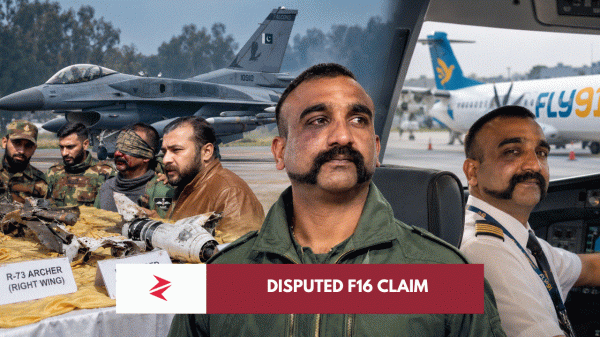
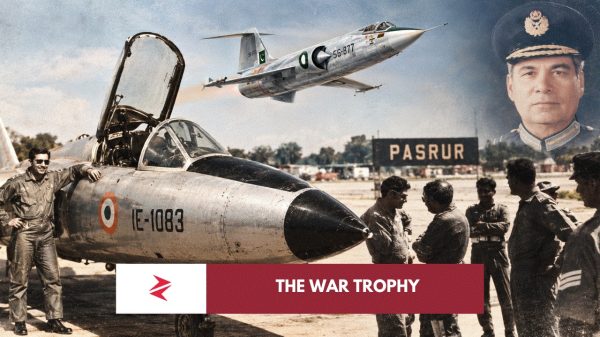
The episode also reinforces the evidence problem explored in India’s disputed 2019 F-16 narrative and in the documented story of the Indian Gnat that landed at Pasrur. A state does not strengthen its case through louder repetition, cinematic framing or artificial imagery. It strengthens its case through evidence capable of surviving scrutiny.