









-
A 1% rate cut can save PKR 450–500 billion
-
Cutting the discount rate toward 5% could save ≈ PKR 2.25 trillion
That alone exceeds many annual development allocations.
T+1 Settlement: Structural Liquidity Expansion
From February 9, 2026, PSX moves to T+1.
In simple terms:
-
Under T+2, broker capital is blocked for two days
-
Under T+1, it recycles the next day
Effect:
-
Same capital supports more trades
-
Higher volumes
-
Faster price discovery
Unlike India — where broker margin funding is restricted — Pakistan’s structure means liquidity velocity increases materially.
This is not bullish hype. It is market plumbing.
Sectoral Implications (Why Some Sectors Survive Better)
Fertilizers
-
Policy-protected demand
-
Gas allocation certainty matters more than subsidies
-
Cash flows remain relatively resilient
Energy & E&P
-
FX-linked revenues
-
Sovereign risk remains the key discount factor
Autos
-
Rate cuts + remittance recovery revive financing
-
Evidence: auto loans rebounded to PKR 318bn, +35.5% YoY
Brokers
-
T+1 is a balance-sheet multiplier
-
Well-capitalized players gain structural advantage
Observation: Sector performance on PSX increasingly reflects fiscal math, not GDP headlines.
Expenditure, Not Taxes: The Core Misdiagnosis
Public discourse often frames the issue as:
“Pakistan doesn’t tax enough.”
Markets frame it differently:
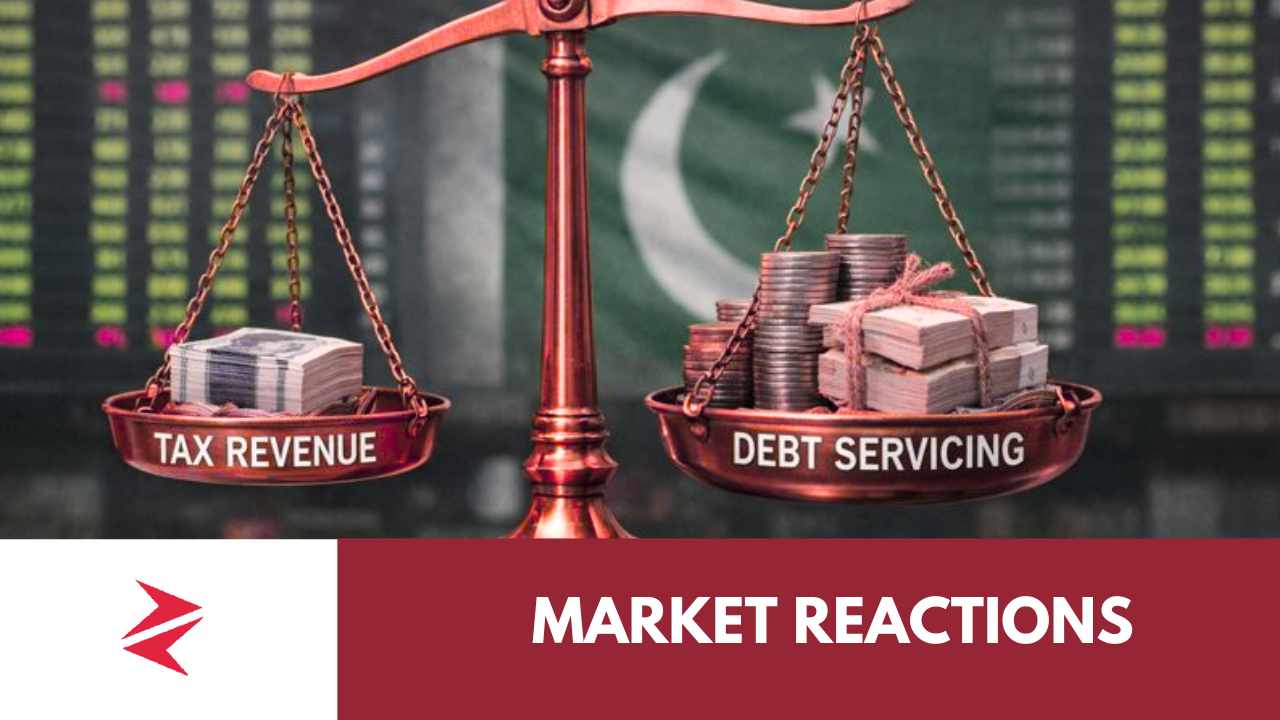
“Pakistan spends without discipline and borrows to sustain it.”
Debt servicing now crowds out:
-
Development
-
Productivity investment
-
Employment generation
Without:
-
Pension reform
-
SOE restructuring
-
Expenditure rationalization
-
Debt-to-GDP discipline
No tax reform will stabilize the system.
The Bottom Line
Pakistan’s debt crisis is not a mystery.
It is arithmetic.
Taxes are rising.
Debt is rising faster.
Debt servicing is swallowing the budget.
Markets know this.
PSX reflects it.
Until expenditure governance replaces revenue obsession, Pakistan will keep borrowing to stand still — and equity markets will trade cycles, not miracles.