































The Female Lens: Durre’s Vulnerable Light
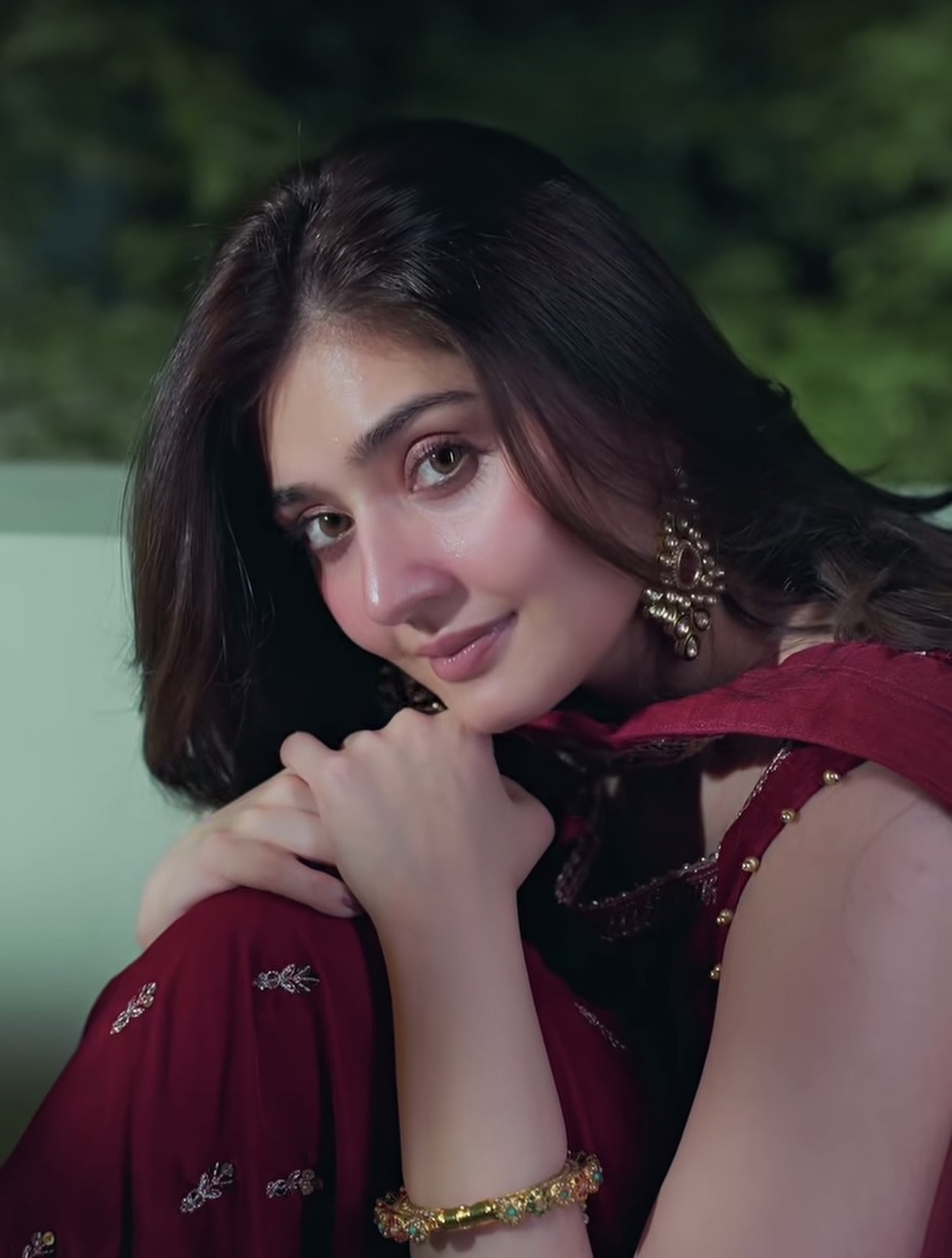
While the male lead’s calm sparked outrage, the female protagonist Durre drew a softer, aesthetic admiration. One commenter praised, “I don’t know what it is about Durre here but there is this vulnerable light in her eyes that makes her look even more beautiful in this scene… Whoever is her MUA is doing a FABULOUS job.” (post on X). The remark is not a factual claim but a cultural one: it highlights how visual storytelling still carries weight in shaping gender expectations. The audience’s focus on Durre’s “vulnerable light” reveals an unspoken demand for female characters to embody pain without being given agency to resolve it.
Why It Matters to the Everyday Viewer
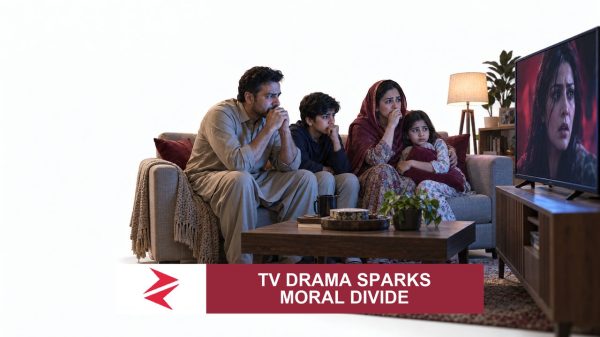
These reactions matter because television in Pakistan is more than entertainment; it is a public square where values are rehearsed. When a prime‑time drama pretends that a character can simply “sleep peacefully” after a heartbreak, it sends a message to millions of viewers that emotional accountability is optional. The cost is not abstract: advertisers bank on shows that reinforce a tidy moral order, while writers receive incentives to wrap complex issues in tidy, market‑friendly packages. The result is a feedback loop that cheapens the very conversations the drama claims to spark.
Accountability Question
Is it enough for a network to claim that a scene “shows tender ‘Abzar’ moments alongside dialogue on forgiving past betrayals,” as the X trending summary states, when the audience is already flagging the narrative as a hollow moral lesson? The answer lies in who decides what counts as “forgiveness” on screen. If the writers and producers are more concerned with ratings than with honest representation, the public cost is a generation that learns to accept scripted peace over lived resilience.