







































From local prayer to global concern
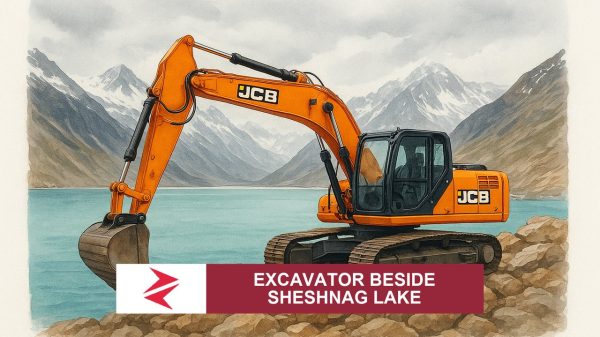
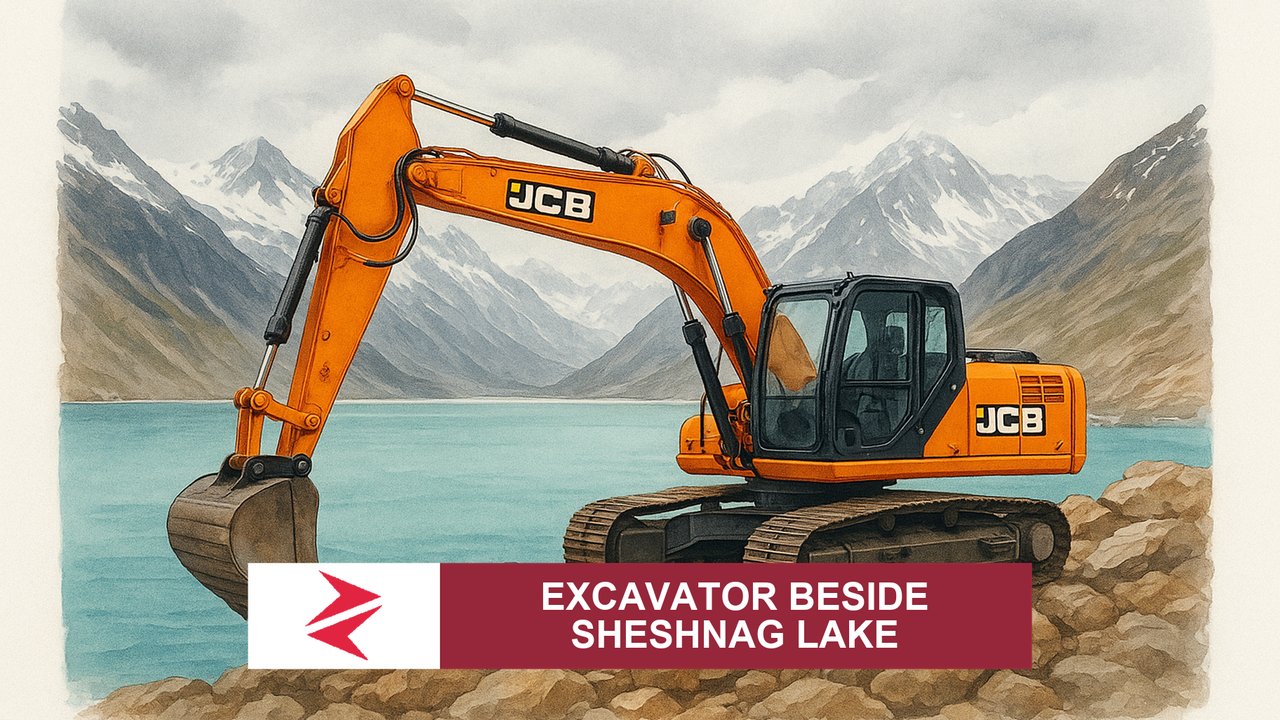
Mirwaiz Umar Farooq’s appeal is rooted in a sacred geography: Sheshnag is a holy lake for pilgrims heading to Amarnath. When heavy machinery disturbs its moraine, the risk of a glacier‑lake outburst flood (GLOF) – a disaster that could wipe out villages downstream – is no longer theoretical. The same users who posted the videos also called for the issue to be taken to international fora, underscoring that climate change and environmental degradation are not merely local grievances but global responsibilities.
What must happen now?
First, the administration should publish any clearances, engineering designs, and mitigation measures – if they exist. Transparency would allow independent experts to assess whether the work truly serves pilgrim safety or merely a development narrative. Second, an independent site inspection, involving geologists and environmentalists, must be ordered before the National Green Tribunal, as suggested by a concerned citizen. Finally, the public outcry must be translated into concrete action: a suspension of the excavator until a credible, science‑based impact study is completed.
Until those steps are taken, the roar of the JCB will continue to echo across the valley, a stark reminder that the lives and livelihoods of Kashmiri people hang in the balance of an unverified development drive. The question remains – will the authorities choose silence, or will they heed the pleas of those who live beside Sheshnag?