
















Categorizing the 125: What Does “Exit” Actually Mean?
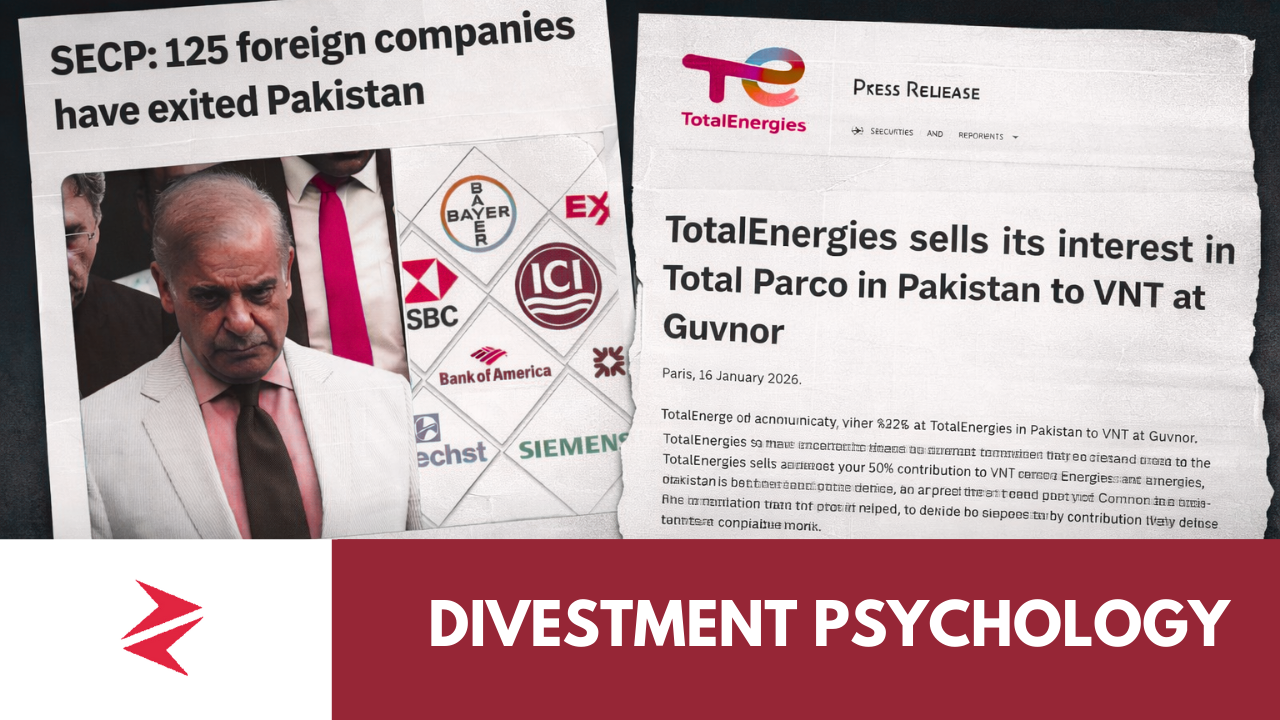
To bring discipline to this debate, the 125 cases should be segmented:
| Category | Description | Economic Meaning |
|---|---|---|
| Full Operational Exit | Factory shutdown, workforce withdrawal | Real contraction |
| Equity Divestment | Sale of shares to local or foreign buyers | Capital rotation |
| Branch Office Closure | Representative office closed | Cost rationalization |
| Corporate Restructuring | Holding entity merged or converted | Tax/regulatory optimization |
| Dormant Filing Removal | Inactive entity struck off | Administrative cleanup |
Without this segmentation, the number “125” becomes a psychological weapon rather than an analytical metric.
The Structural Issues: Yes, They Exist
None of this means Pakistan’s investment climate is flawless. Structural friction remains undeniable:
– Tax complexity and high effective rates
– Currency depreciation risk
– Energy pricing volatility
– Slow judicial contract enforcement
– State-owned enterprise inefficiencies
These factors absolutely influence capital allocation decisions.
But global FDI contraction is not unique to Pakistan. UNCTAD data over recent years shows volatility across emerging markets due to supply chain fragmentation, rising interest rates in the West, and geopolitical polarization. Capital has consolidated into fewer, larger hubs. Mid-tier emerging economies have felt pressure.
Pakistan is navigating IMF stabilization, fiscal tightening, and structural reform simultaneously. That transition period naturally creates uncertainty. Investors prefer predictability.
Yet stabilization indicators—current account improvements, remittance resilience, export recovery in IT and textiles—show adjustment, not collapse.

qwenart
March 10, 2026 at 7:55 pm
The SECP’s exit list raises interesting questions about whether this reflects a genuine economic retreat or a strategic realignment of capital flows. It’s crucial to monitor how these 125 companies’ movements might influence investor confidence and market stability in the short to medium term. The timing also coincides with broader geopolitical shifts, which could amplify or mitigate the impact on Pakistan’s financial landscape.