





















The Psychological Economy: Panic as Self-Harm
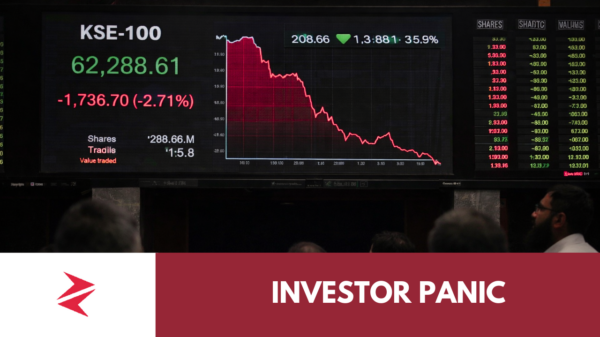
Markets are not only numerical—they are psychological ecosystems. When citizens amplify worst-case narratives without classification or context, it feeds uncertainty.
Investor confidence reacts not just to macro fundamentals but to perceived political stability and narrative coherence. Panic amplification becomes a self-inflicted wound.
A nation reforming under pressure does not benefit from exaggerated fatalism.
SIFC and Forward Path
The creation of the Special Investment Facilitation Council signals institutional awareness that fragmented regulatory pathways discouraged investors. Centralized coordination of energy, mining, agriculture, and IT investments aims to reduce bureaucratic friction.
Whether execution matches ambition remains to be seen. But reform acknowledgment exists.
The solution is not denial of exits. It is structural predictability.
Final Reality Check
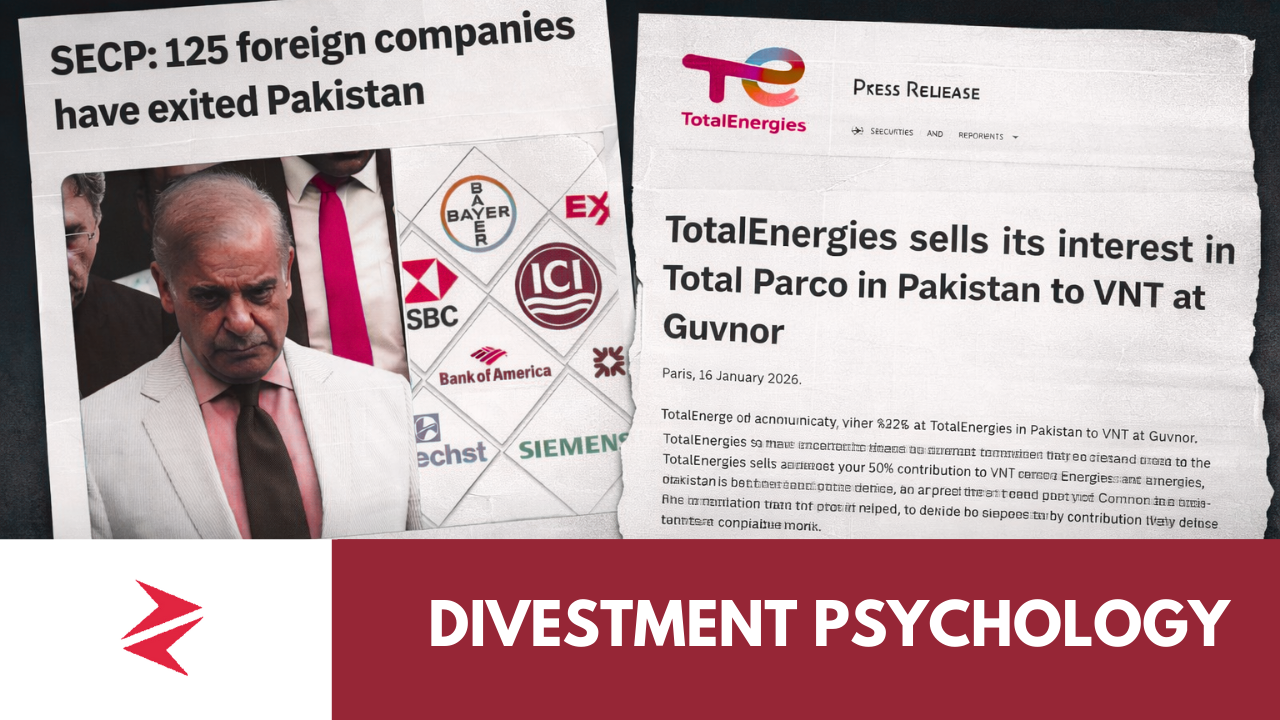
If 125 filings truly represented industrial evacuation, we would witness widespread production shutdowns, export collapse, and labor market implosion. That is not the current macro picture.
What we are seeing is a mix of:
– Portfolio rebalancing
– Regulatory restructuring
– Equity rotation
– Selective contraction in certain sectors
Some exits are genuine concerns. Others are accounting architecture.

The responsible national conversation must separate the two.
Because nations do not collapse from share transfers.
They collapse from narrative hysteria and reform paralysis.
Pakistan is at a reform crossroads—not an abandonment cliff.
And that difference determines the future.

qwenart
March 10, 2026 at 7:55 pm
The SECP’s exit list raises interesting questions about whether this reflects a genuine economic retreat or a strategic realignment of capital flows. It’s crucial to monitor how these 125 companies’ movements might influence investor confidence and market stability in the short to medium term. The timing also coincides with broader geopolitical shifts, which could amplify or mitigate the impact on Pakistan’s financial landscape.