



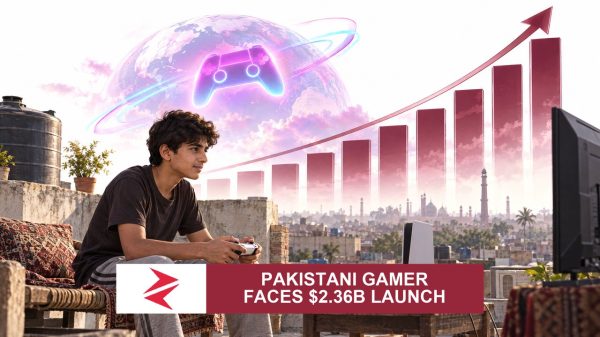




























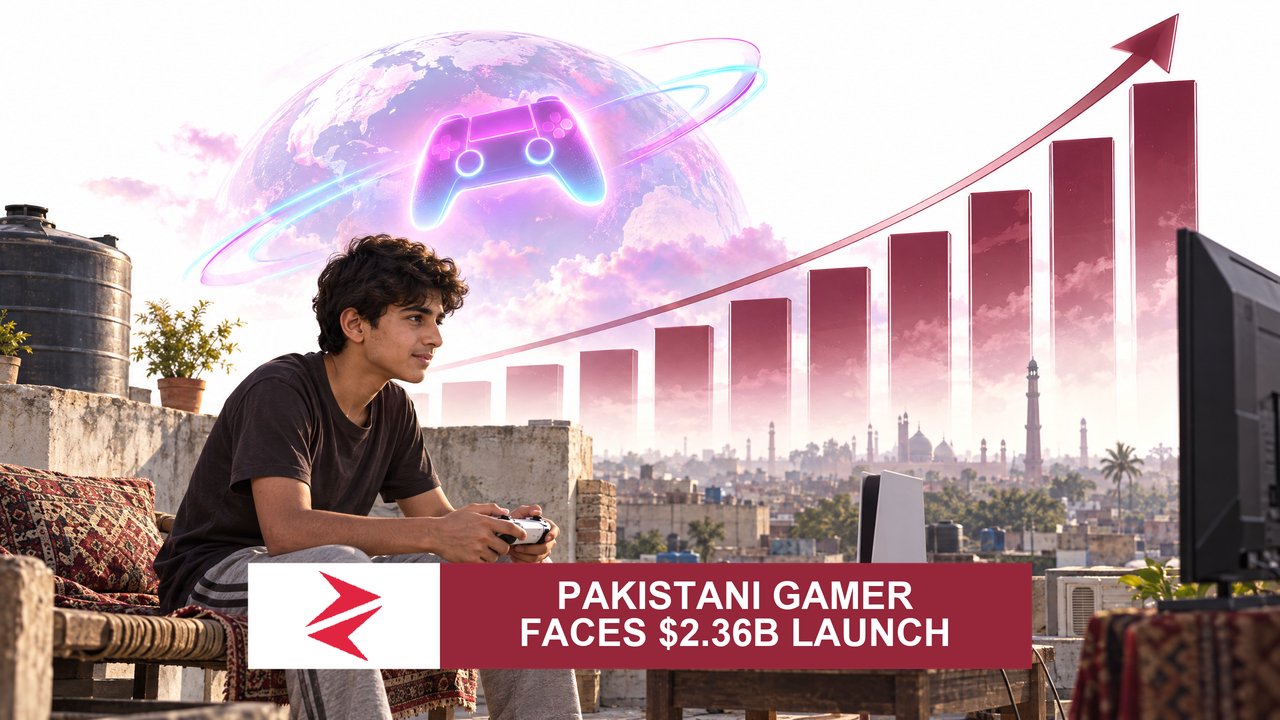
Moreover, the launch’s hype fuels a secondary market for pirated copies, which thrives in Pakistan because legal copies are simply out of reach for most. Piracy erodes the very revenue streams that could, in theory, support local game development. The cycle of inflated launch numbers and unaffordable retail prices pushes aspiring Pakistani developers toward underground channels, stifling a nascent industry that could diversify the economy.
Incentives Behind the Numbers
Rockstar’s incentive is clear: a record‑breaking launch cements the franchise’s cultural dominance and justifies larger budgets for the next sequel. Take‑Two’s board sees a $2 billion headline as a lever to negotiate better royalty terms with Sony and Microsoft. Console manufacturers, meanwhile, tout the “three‑quarters PS5 share” as proof that their hardware remains the platform of choice, a claim that helps them lobby for tax breaks in markets like the United States.
For Pakistani policymakers, the incentive is less obvious. The government collects customs duties on each console and game, but those revenues are a drop in the bucket compared to the fiscal deficit. Without a strategic plan to capture value—such as localizing content, encouraging regional studios, or offering tax incentives for game‑related education—the country merely watches foreign dollars fly past its borders.
What Ordinary Gamers Are Saying
Social chatter reveals a mix of awe and resentment. @Dakari80 dismissed the hype as “a big ‘screw you’ to all the haters and people lying saying this is a cuck game,” highlighting how quickly the launch became a meme battlefield rather than a discussion about affordability. @s954595 confessed, “I feel you bro this game got me clocking out for my lunch,” indicating that even a brief gaming session feels like a luxury break in a day packed with work and financial strain.
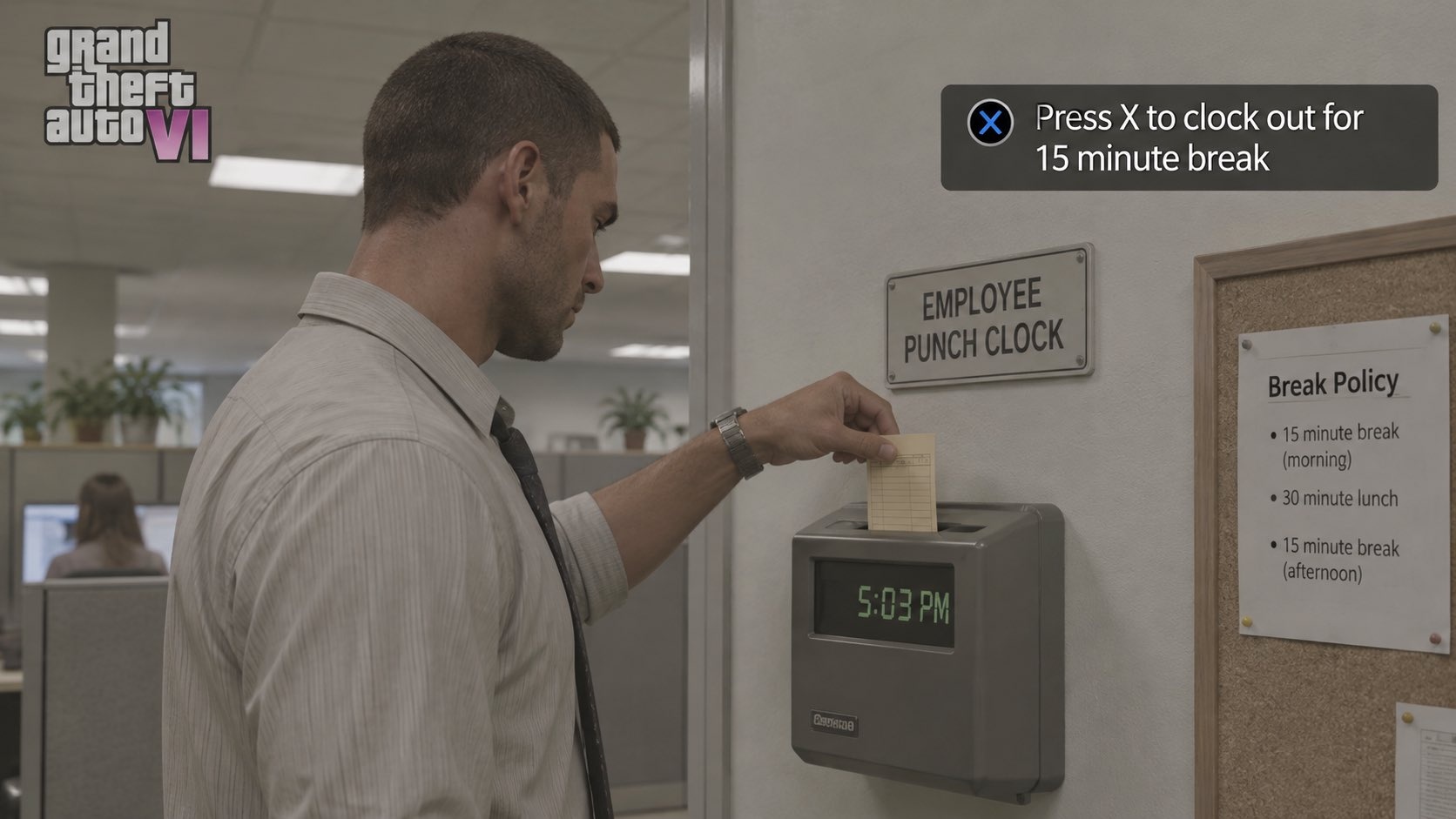
These remarks are not just idle jokes; they expose a deeper cultural tension. Gaming is a growing pastime in Pakistan, yet the cost barrier turns it into a status symbol rather than a universal form of entertainment. When a game’s launch is framed as a historic economic event, the ordinary player is left to wonder whether the celebration includes him or merely the shareholders in New York.