








































Financing that subsidises the elite
Public filings of NexGen Auto show the project is being funded largely through debt and equity injections from Nishat‑group entities, with loan pricing set at three‑month KIBOR + 100 basis points. Cheap capital is thus flowing to a venture that ordinary Pakistanis cannot afford, while mass‑market EV projects remain starved of financing.
Tax loophole that skews the market
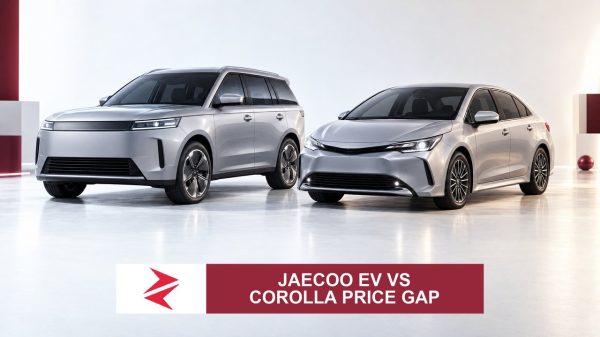
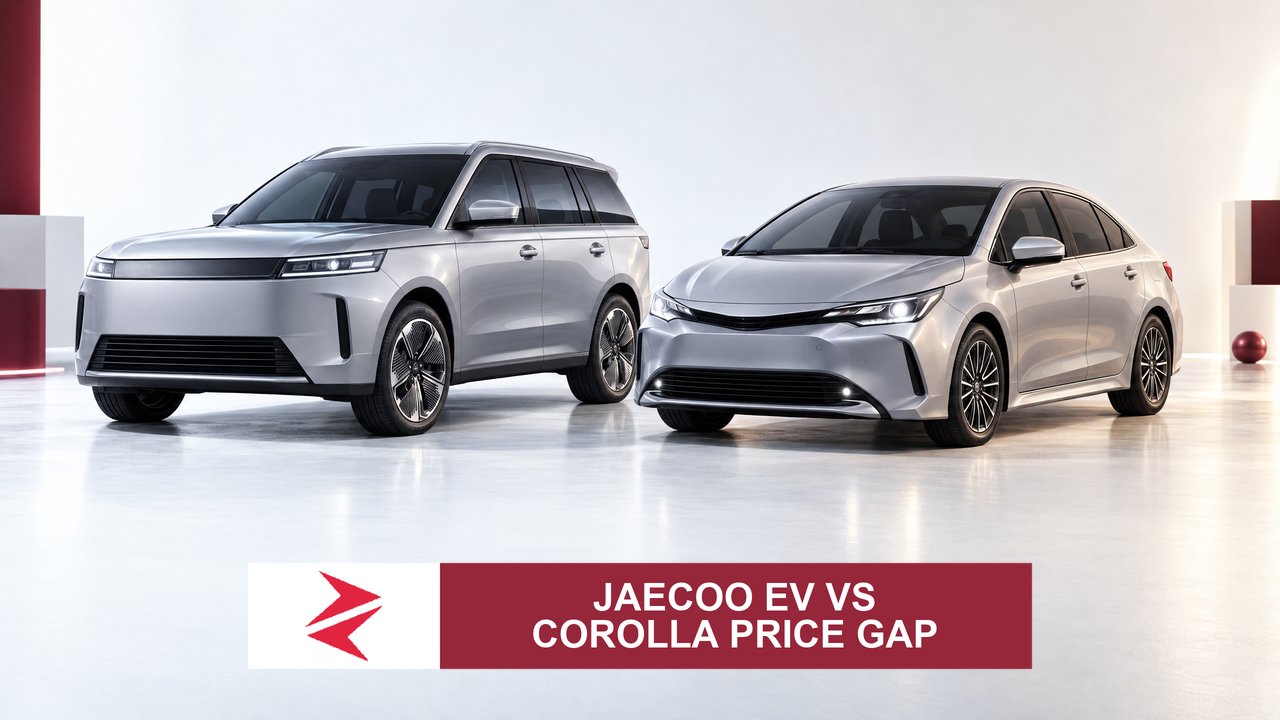
Ahmed S Hasan highlighted a sales‑tax structure that levies 1 % on CKD units with batteries under 50 kWh but jumps to 18 % for packs above that threshold. The Jaecoo J5 is advertised with a 49.5 kWh pack for the Pakistani version and a 58.9 kWh pack for export markets, a split that appears engineered to stay just below the higher tax bracket. The tax rule itself is an allegation; no official FBR circular has been cited.
What this means for Pakistan
Foreign commentary often dismisses home‑grown tech as a gimmick, pointing to the J5’s price as proof that Pakistan cannot compete. The real story is the policy failure that lets a single high‑priced EV carry the weight of national ambition. Opaque tax rules, a financing model that favours elite investors, and an absence of affordable charging infrastructure all conspire to keep electric mobility out of reach for the masses.













