

































Parallels with other Indian misinformation
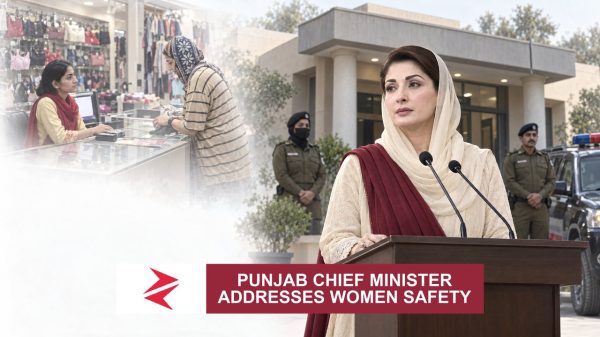
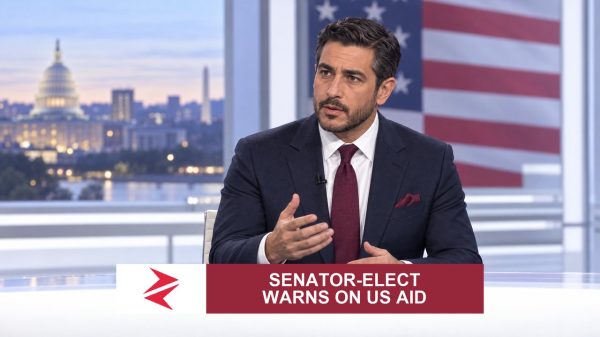
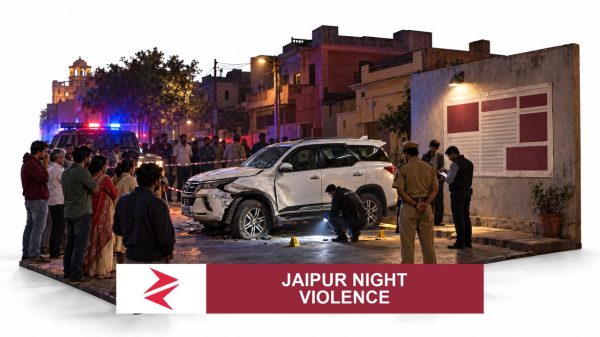
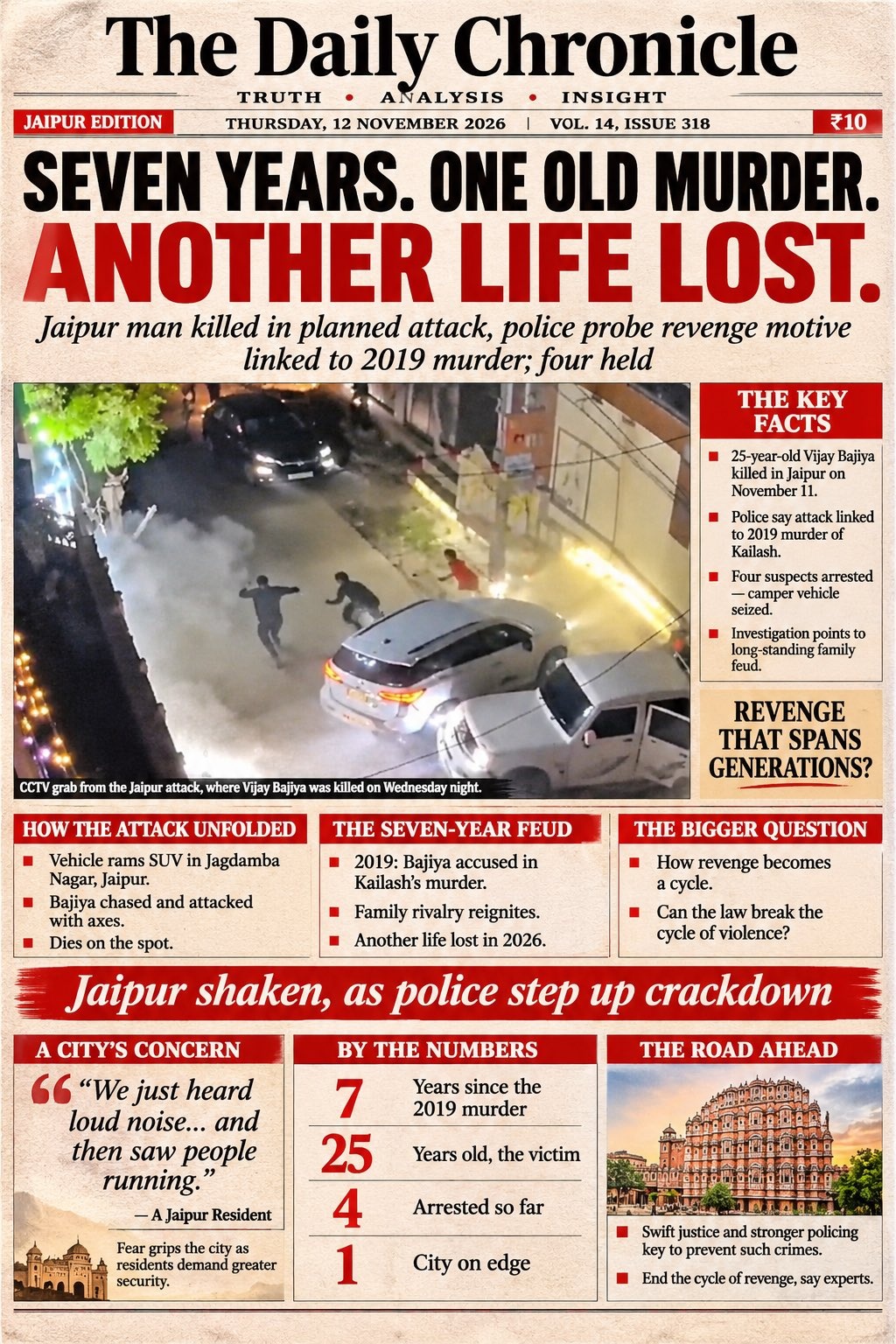
The Jaipur episode is not an isolated flash‑in‑the‑pan. Earlier this year a fabricated newspaper‑style image claimed a “mafia boss” was killed, and similar meme‑driven narratives surrounded the false‑flag Pulwama story – a topic I dissected in False Flag Pulwama Attack. In both cases, unverified claims were amplified, celebrated, and weaponised to paint a picture of a law‑less society. The pattern is the same: a sensational claim, no hard evidence, rapid viral spread, and a public that internalises the narrative.
The broader lesson for Pakistan and the sub‑continent
Our neighbours often point to India’s alleged “mafia‑boss hacks” as proof that the state is weak. The reality is that both countries suffer from the same problem: a public quick to celebrate street‑level retribution while ignoring the long‑term damage to democratic institutions. In Pakistan we have seen similar viral moments – the rise of betting sponsors in PSL, false‑flag narratives around Pulwama, and viral videos that claim “justice” has been done without any court backing. The lesson is clear: demand evidence, demand accountability, and protect ordinary citizens from both criminal gangs and the mob that thinks it can replace the courts.
Accountability and the way forward
Who will verify the Jaipur story? Who will hold the platform accountable for amplifying an unsubstantiated claim? Most importantly, what mechanisms will protect ordinary people from becoming the next target of a viral “justice” narrative? The answers will determine whether we live under the rule of law or under the rule of the loudest scream on X. Until a transparent investigation is presented, the safest stance is to treat the Jaipur “mafia‑boss hack” as a cautionary tale about the power of unverified social‑media hysteria – a tale that costs us real trust, real safety, and real justice.