








Karachi does not reject dissent.
Karachi rejects caricature.
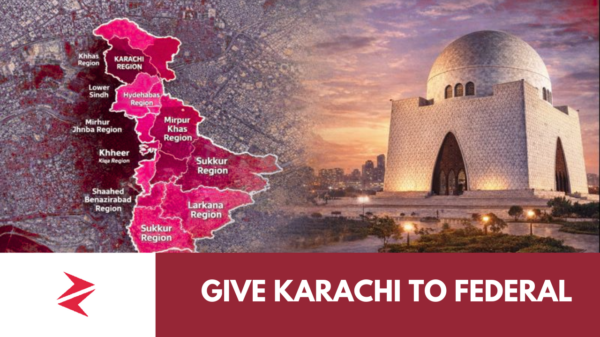
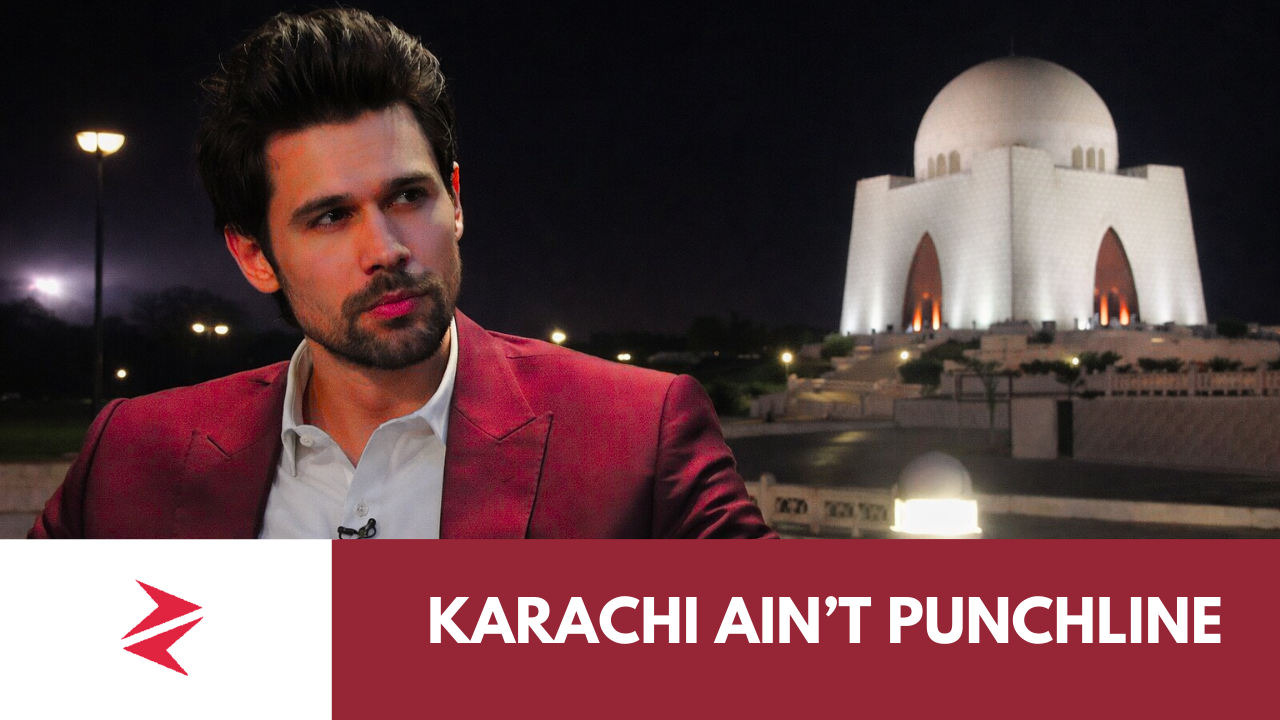
The viral graphic pushed by Karachi Tribune screaming “Karachi Rejects Tabish Hashmi” did not land as journalism. It landed as provocation. A monument-sized backdrop, a red cross, a simplified verdict on a city that does not speak in one voice.
And that is precisely where the problem begins.
Who Is Being Rejected, Exactly?
Tabish Hashmi is not a mayor.
He is not a policymaker.
He does not control budgets, police, land, or fire exits.
Yet the framing suggested otherwise—as if Karachi had conducted a referendum and reached consensus overnight.
That is not rejection.
That is editorial theatre.
Karachi has always argued loudly, disagreed publicly, and torn into its own. But it has also historically resisted being spoken for.
The Podcast That Lit the Match
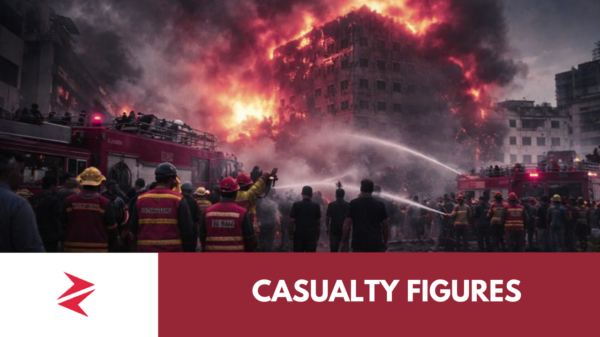
The controversy traces back to The Pakistan Experience, hosted by Shehzad Ghias, where Hashmi’s remarks—made in the emotional aftermath of the January 2026 Gul Plaza fire—were discussed and defended.
Hashmi compared Karachi’s governance rot to failed state entities, invoking the language of privatization as metaphor. Not as policy. Not as a legal roadmap. As frustration.
For some, it was catharsis.
For others, heresy.

When Critique Is Rebranded as Ethnic Betrayal
The backlash followed a familiar script.
If you criticize the Pakistan Peoples Party’s 18-year grip on Sindh, you are not wrong—you are racist.
If you question governance failure, you are not dissenting—you are anti-Sindhi.
If you ask uncomfortable questions, your loyalty is suddenly suspect.
That framing is not new. It has been deployed before—after fires, floods, and collapses—whenever accountability edges too close to power.
Tweets accusing Hashmi of being pro-MQM, anti-Sindhi, or a media pawn flooded timelines, often amplified by party-aligned accounts. Yet few addressed the substance: why does Karachi keep burning, collapsing, drowning, and decaying?