

































Share the post "What Caused the Decline of Muslim Civilisation? My Answer Is the Failure to Protect Accountability"
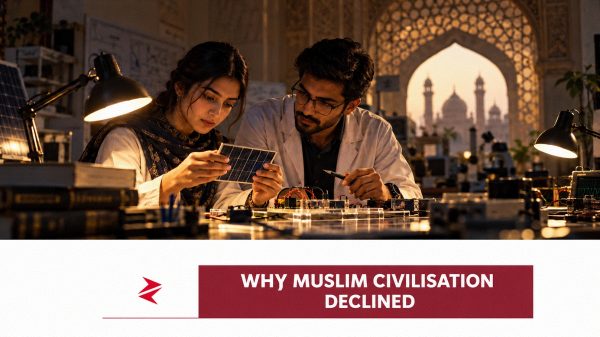
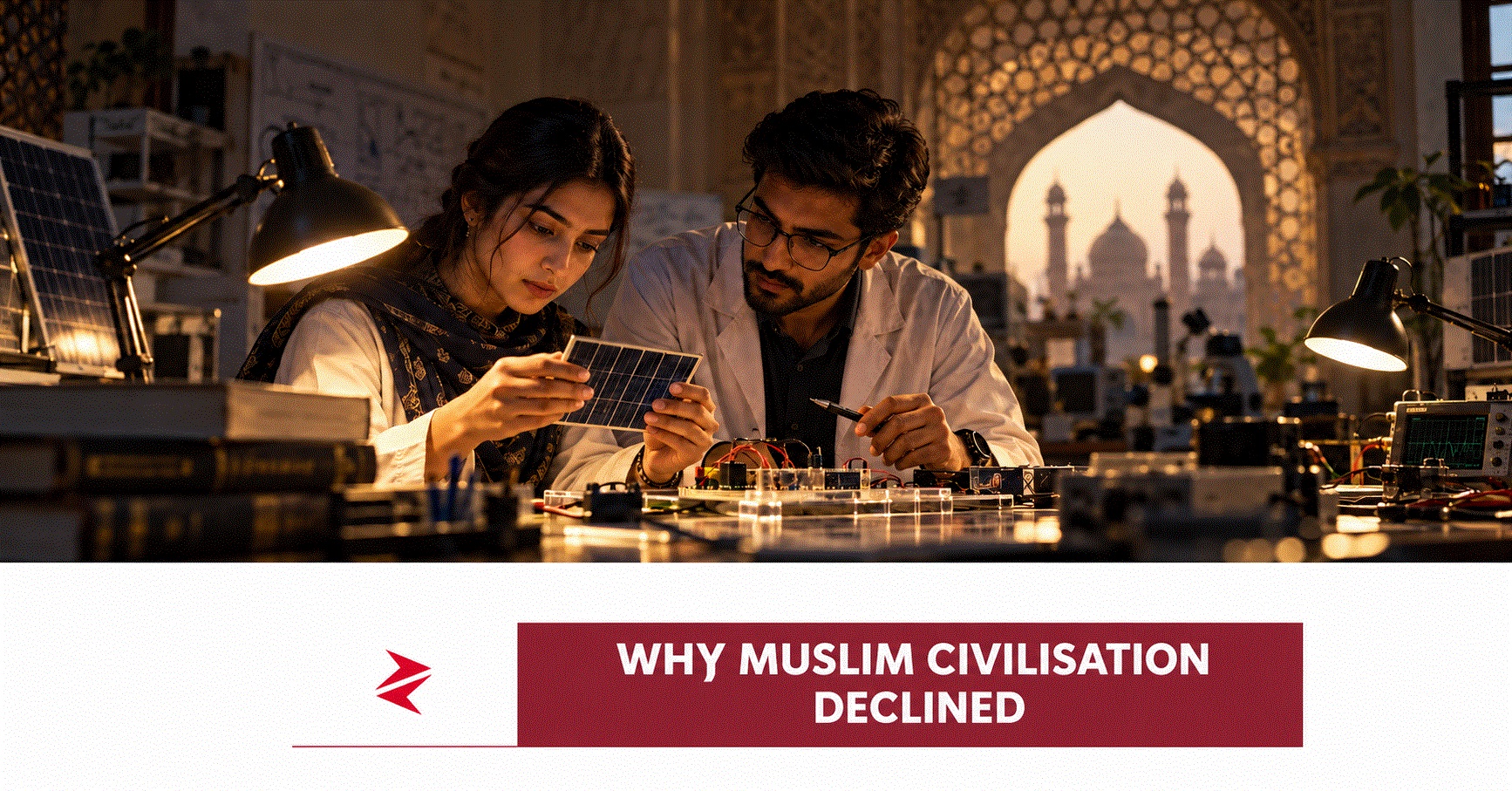
I see this in energy. Announcing a technology initiative is easy; testing equipment, publishing reliable performance data, training technicians and correcting a bad installation take sustained work. My earlier discussion of Pakistan’s 5G testing concerns a different technology, but the distinction is familiar: a headline about capability is only the beginning of proving what people can use. Our Indus civilisational inheritance deserves study and pride, while the choices we make now determine what we contribute next. Even strategic hardware demands an ecosystem of education, engineering and institutions capable of learning.
An excerpt attributed to Javed Ahmad Ghamidi describes four ideas he says are taught in some madrassas and argues that ideas affect behaviour. That is a grave argument worth examining carefully, particularly where a teaching claims a right to subjugate others. The excerpt does not establish what every madrassa teaches, and it cannot carry the historical explanation for centuries of civilisational change on its own. The Urdu pages and handwritten verse supplied with this discussion also raise questions of conduct, knowledge and self-deception. They are prompts for reflection, not statistical evidence of when or why decline occurred.
Does doctrinal clarity answer a civilisational question?
I have argued publicly for clarity about the finality of Prophethood and against inventions in religious doctrine. Those are theological positions. I would make a mistake if I presented them as a proven, single historical cause of scientific and political decline. A disagreement over who belongs within Islam does not explain an empire’s fiscal choices or a university’s research culture. Nor should disagreement erase anyone’s human dignity or equal protection under law. If the subject is justice, our conduct toward people with whom we disagree is part of the test.