






































Public cost and accountability
Every foreign‑military engagement carries an implicit cost. The Pakistani delegation’s travel, security detail and protocol expenses are funded from the Ministry of Defence’s overseas operations budget, a line item that is already under scrutiny by parliamentary committees. While the amount is modest compared with the multi‑billion‑dollar procurement programmes, the principle matters: taxpayers deserve transparency on whether such trips produce measurable outcomes. So far, no official statement has outlined any follow‑up actions – joint exercises, equipment trials, or training exchanges – that would justify the expenditure beyond the ceremonial accolade.
Contrasting public voices
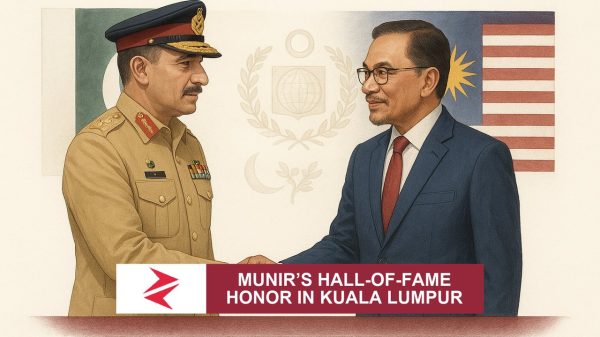
Social media reactions have been sharply divided. Supporters like @mahjbeen16 wrote, “Well done Field Marshal Asim Munir. Official visit to Malaysia strengthens longstanding bilateral defence and military cooperation.” Conversely, detractors such as @sumsajdpr mocked the honour, saying, “If he had not congratulated, Asim Munir would have turned him into a mare at night.” Both camps are exercising their right to comment, but only the former aligns with the official narrative. The latter reflects a deeper cynicism that many Pakistanis feel toward the military establishment – a suspicion that high‑profile honours mask underlying inefficiencies or politicised patronage.
What remains unverified
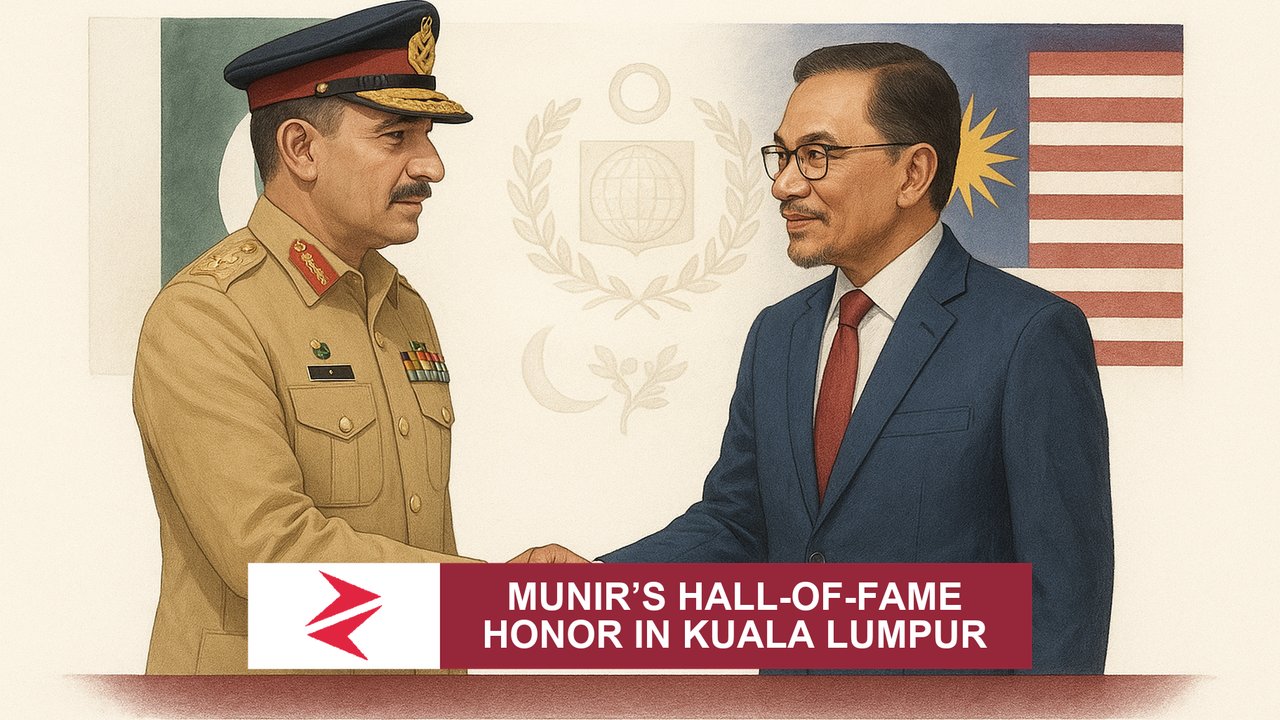
The AI‑generated trending summary that accompanied the X story hinted at “potential trilateral efforts with Türkiye” and “joint exercises and dialogue.” Those phrases do not appear in the original posts and, without corroborating evidence, should be treated as speculation. Likewise, no Malaysian press release has confirmed the Hall‑of‑Fame induction, nor have any defence analysts published a detailed briefing. The absence of independent verification does not invalidate the ceremony, but it does mean that any claim about expanded cooperation must be framed as a possibility, not a fact.
Potential diplomatic payoff
If the honour does lead to concrete steps – for example, a joint maritime security drill in the Strait of Malacca or a technology‑sharing agreement on radar systems – the payoff could be substantial for Pakistan’s struggling defence industry. Such cooperation could lower the per‑unit cost of indigenous projects and reduce reliance on costly Western platforms that are often hampered by sanctions. For Malaysia, deeper engagement with Pakistan offers a counterweight to regional pressures from China and the United States, enhancing its own strategic autonomy.