



























Islamabad vs. Lahore: The Comparison That Won’t Go Away
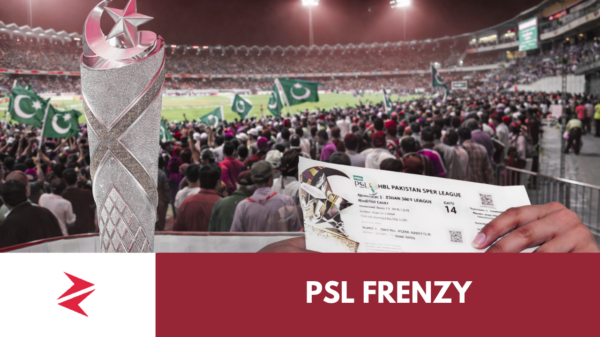
On the same night, over 50,000 people gathered at Liberty Chowk in Lahore.
The outcome?
-
Zero vandalism
-
Zero stone-throwing
-
Zero attacks on staff or journalists
-
No destruction of public or private property
Same country.
Same night.
Larger crowd.
The comparison shattered the claim circulating online that the Islamabad violence was a “normal reaction” to disappointment.
Frustration explains anger.
It does not explain criminal violence.
The Video That Reignited the Debate
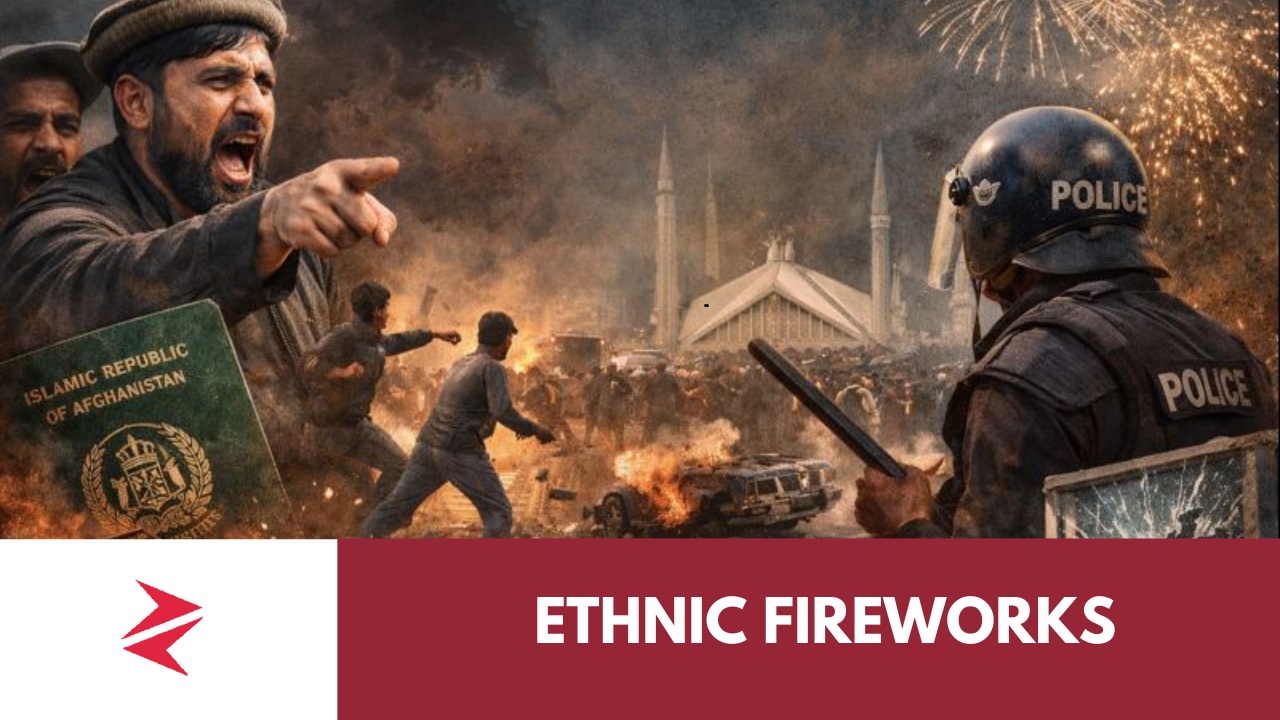
As footage spread, one video dominated the discourse: Afghan influencer Abdulhaq Hamidi, filmed near the site, angrily condemning the vandalism—while explicitly alleging the involvement of Afghan nationals.
His words were direct.
So was the backlash.
Almost instantly, a counter-narrative flooded X (formerly Twitter):
“People are speaking Potohari. Pashtuns are being blamed unfairly.”
But reply chains quickly filled with clips where Afghan Pashto, not Potohari Punjabi, is audibly spoken. Linguists, native speakers, and neutral observers pointed this out.
The debate stopped being about vandalism—and became about identity denial.

When Accountability Gets Rebranded as Racism
Here lies the core problem Pakistan keeps circling without resolving:
Holding foreign nationals accountable under law is not racism.
Erasing nationality to avoid enforcement is not tolerance.
No functional state allows:
-
Non-citizens to vandalize property
-
Crowd violence without arrests
-
Identity confusion to replace policing
Yet in Islamabad, the absence of official statements allowed ethnic narratives to replace legal process within hours.
As of early January 1, 2026, no official statement had been issued by: