




























Why the Assault Occurred (According to Those Involved)
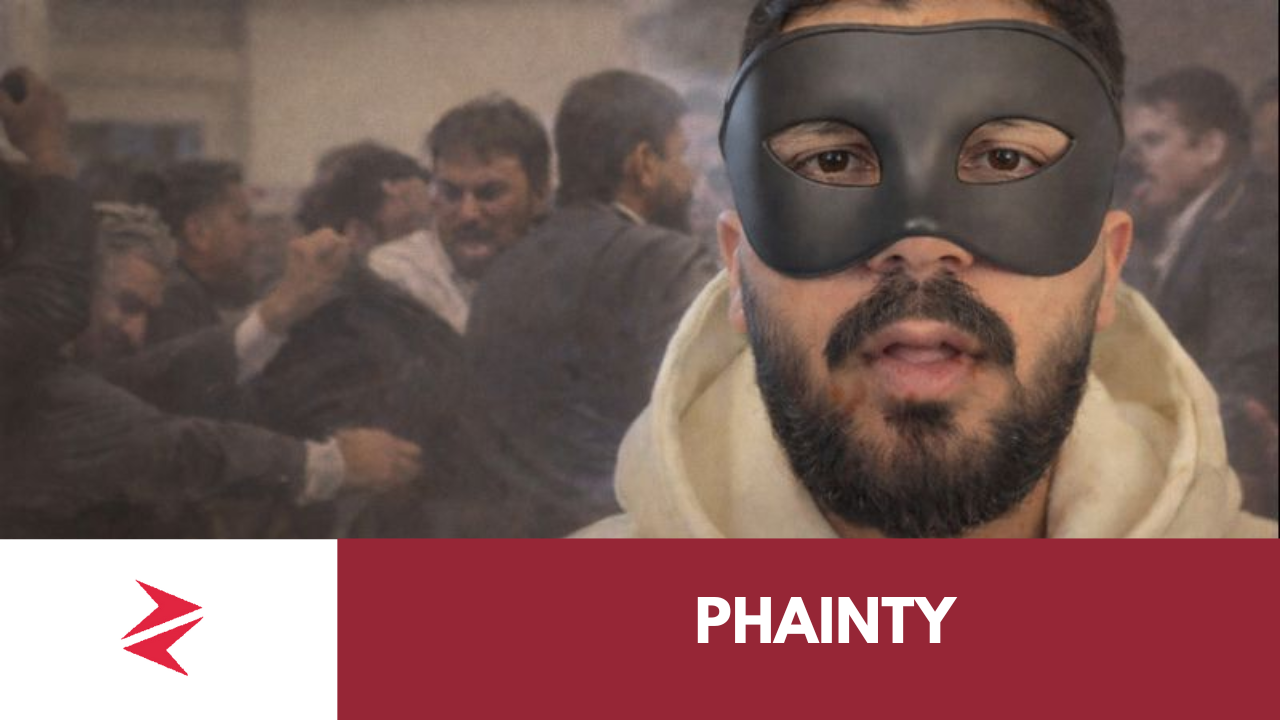
The lawyers who confronted Butt cited prior online remarks they described as derogatory toward their profession. One lawyer was recorded warning that anyone who speaks against lawyers should expect consequences—a statement that alarmed civil-rights advocates precisely because it normalizes collective punishment.
Butt’s own counsel called the attack “thuggery that damages the legal community’s image.” The Sindh Home Minister expressed regret over the incident, acknowledging security failures inside court premises.
There is no legal justification for the assault. Even if an influencer’s speech is offensive—or criminal—the response is lawful prosecution, not fists in a courtroom.
The Broader Context: Provocation, Platforms, and Pakistan’s Culture Wars
Rajab Butt is not a neutral figure. He represents a new class of digital celebrity that thrives on outrage cycles, boundary-pushing content, and algorithmic amplification across platforms like TikTok, YouTube, and Facebook.
Over the years, Butt has faced multiple legal and regulatory controversies—including accusations related to religious offense, promotion of gambling apps, and online feuds. Supporters frame this as persecution; critics argue it is the predictable cost of monetized provocation.
Online, additional claims circulate about Butt’s personal conduct and statements in vlogs. These remain allegations and social-media discourse, not judicial findings, and should be treated as such. Importantly, no personal allegation—true or false—licenses mob violence.