






















Courts, Lawyers, and a Troubling Pattern
The Karachi assault revived uncomfortable memories:
-
The 2019 Punjab Institute of Cardiology attack, where lawyers vandalized a hospital
-
Post–Bar Council election gunfire incidents
-
The aggressive street power that followed parts of the 2007–09 Lawyers’ Movement
Pakistan’s legal community has historically stood for constitutionalism. When lawyers become a mob inside a courtroom, the symbolism is devastating.
This is not about defending an influencer. It is about defending institutions from self-inflicted loss of legitimacy.
Influencers vs Institutions: A Collision Long in the Making
Pakistan’s state and society have struggled to adapt to social media’s speed and scale. Governments oscillate between digitization promises and platform bans; institutions demand respect but often lack credible enforcement mechanisms.
The result is a dangerous vacuum where:
-
Influencers test limits for clicks
-
Institutions react emotionally instead of procedurally
-
Violence becomes a substitute for accountability
This pattern was visible during repeated TikTok bans, despite high-level meetings with global tech firms and public commitments to digital inclusion. The contradiction remains unresolved.
The Core Question We Should Be Asking
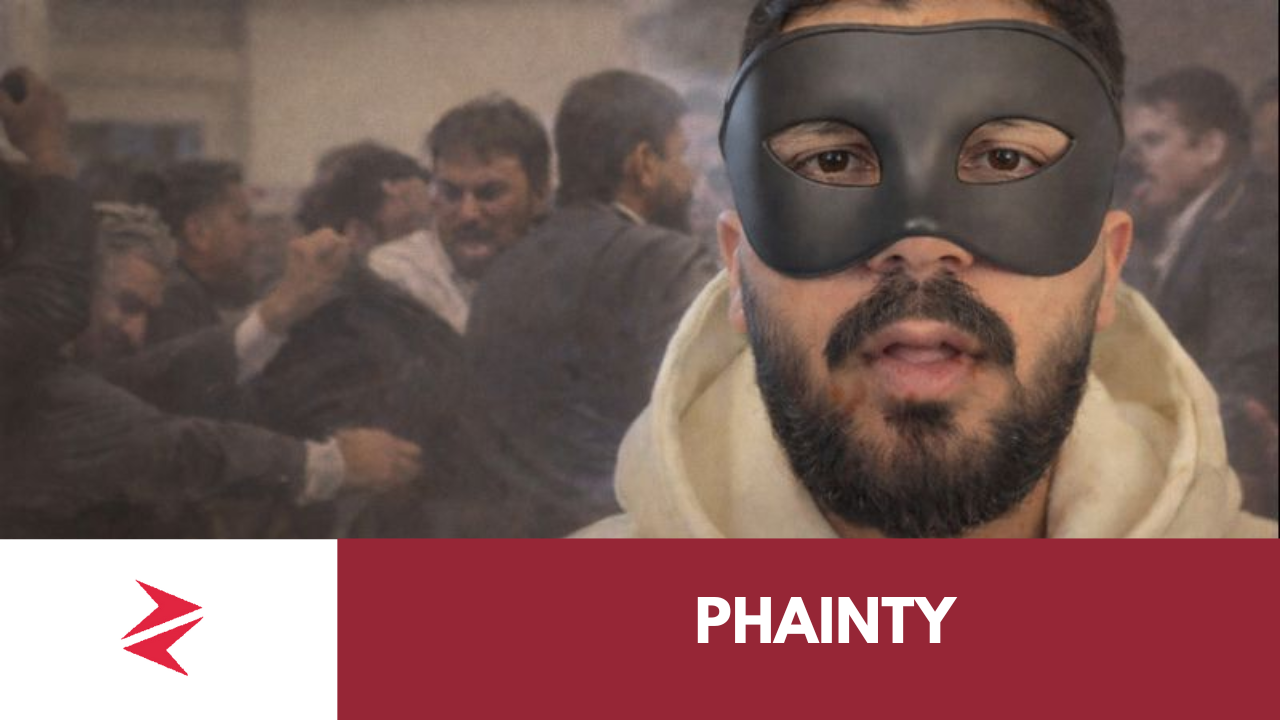
Did Rajab Butt’s courtroom assault happen because of what he said—or because Pakistan lacks a mature system to discipline speech without violence?
If offensive content is criminal, prosecute it transparently.
If it is unethical but legal, challenge it publicly.
If it violates platform rules, de-monetize and de-platform it.
What must never happen is vigilante justice—especially inside a court.