





































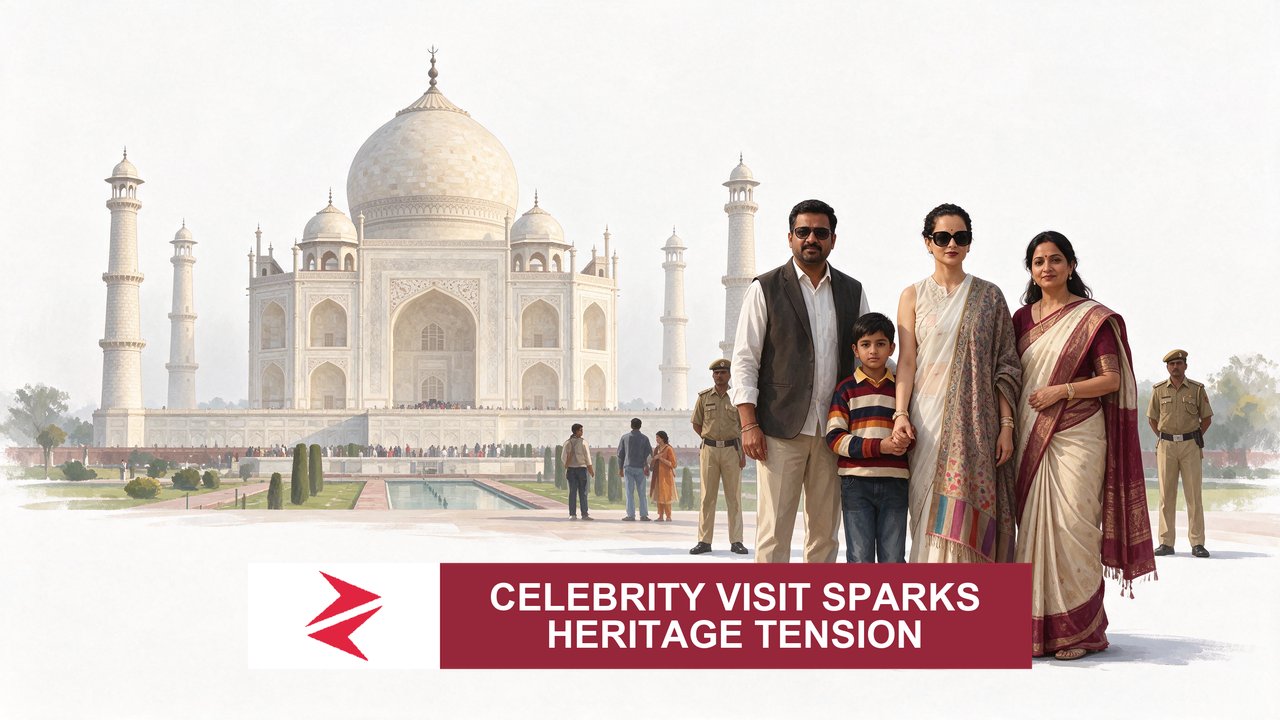
Security presence was evident in the images accompanying the post – three uniformed personnel can be seen standing near the marble façade (visual observation from the photo at Their presence underscores the state’s awareness that even a family outing can become a flashpoint. Yet the state’s response is uneven: while the Ministry of Tourism promotes the Taj as a symbol of “India’s plural heritage,” political leaders on the ground weaponise the same monument as a litmus test for loyalty.
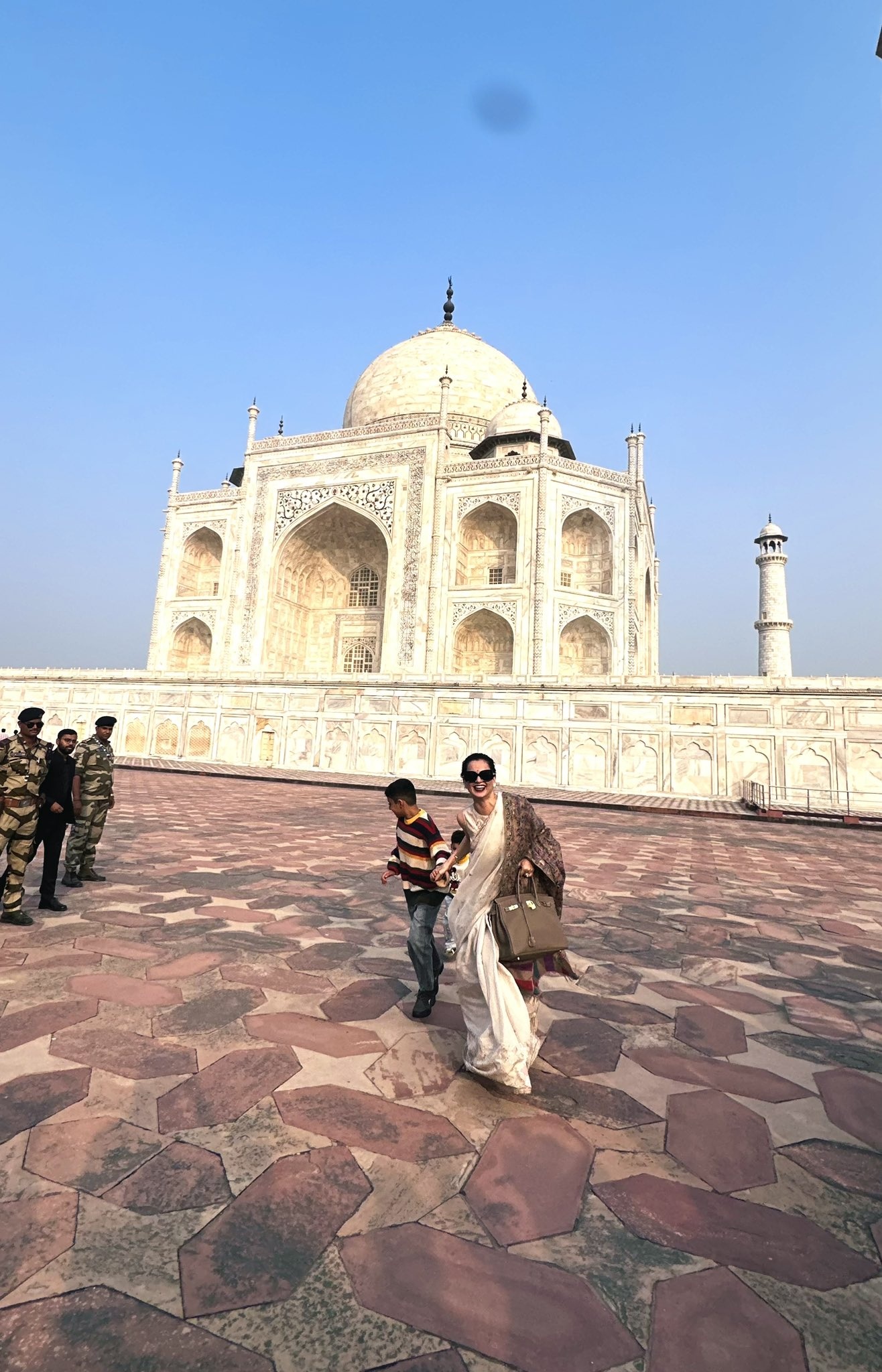
What makes this episode uniquely Pakistani in perspective is the way it highlights the everyday cost of communal posturing on ordinary citizens. In Pakistan, we watch India’s heritage sites become arenas for identity wars, and we are reminded that the same monuments we cherish – the Badshahi Mosque, the Lahore Fort – are also subject to politicised narratives. The public’s stake is not in the grandiose speeches of politicians but in the price of a ticket, the safety of a family outing, and the dignity of a shared cultural legacy.
To be clear, the claim that the Taj has been renamed “Tejo Mahal” or “Tejo Mahayala” appears only in user speculation (e.g., “Ye tejo mahalaya hain naa ki taj mahal” – post: No official source corroborates such a change, and the historical record firmly attributes the monument to the 17th‑century Mughal emperor Shah Jahan. Treating these user‑generated renamings as fact would be a disservice to both history and the public discourse.
In the end, the episode forces a simple question: should a heritage site be a neutral canvas for all citizens, or will it forever be a mirror reflecting the nation’s deepest divides? The answer lies not in viral posts or snide remarks but in policy – ensuring that the Taj Mahal remains a place where families, regardless of creed, can appreciate art without being forced to declare allegiance.