































What Nobody Is Telling You: The Innocent Driver May Also Carry the Trauma
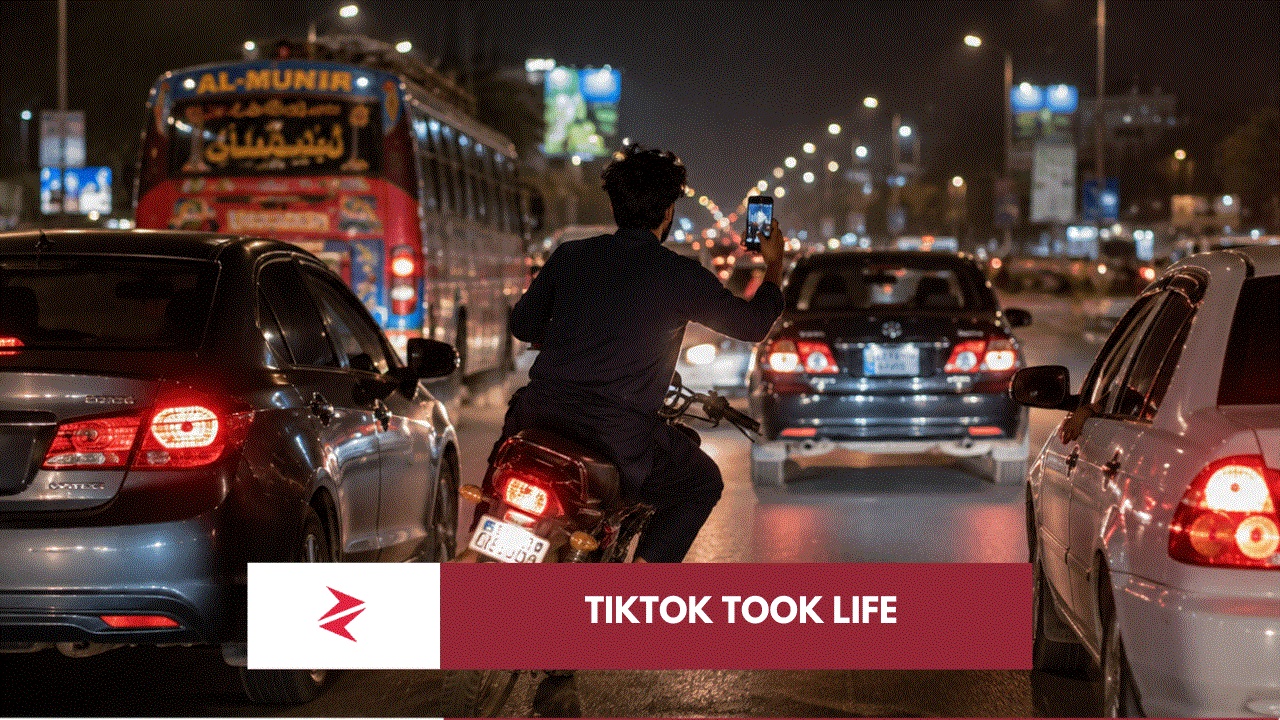
Public attention usually fixes upon the stunt performer, but a second victim is often ignored: the responsible driver forced into an impossible decision. Brake sharply and risk being struck from behind. Swerve and possibly hit another vehicle. Maintain course and collide with the rider who suddenly entered the lane. Even where the responsible motorist avoids legal blame, the psychological burden of witnessing severe injury or death can remain for years.
The same gap between marketing, technology and actual Pakistani road conditions appears in the discussion of the JAECOO collision and vehicle-recovery controversy, where real-world infrastructure and emergency response matter far more than polished promotional claims. Likewise, technological interventions such as the proposed RoadDex stolen-car recovery system demonstrate that road surveillance can serve the public—but only when evidence, privacy, verification and institutional accountability move together. Even the wider debate over public safety and enforcement in DHA Lahore reflects the same fundamental truth: rules mean very little when enforcement appears only after somebody has already been harmed.
What Authorities and Platforms Should Do Next
When a video appears to document dangerous driving, authorities should preserve the original footage, establish its time and location, identify the vehicle through lawful means, obtain witness accounts and examine whether the conduct violated applicable traffic or criminal law. A viral caption alone is not proof of identity or guilt, but clear footage should not be dismissed merely because it first appeared on social media.
Where wrongdoing is established, consequences should be proportionate to the conduct and harm: traffic penalties, licence suspension or revocation where legally available, compensation for proven damage and injury, and criminal proceedings where the evidence satisfies the relevant legal threshold. An unlicensed driver should not be rewarded for never having obtained a licence in the first place.
Platforms should also suppress monetisation and recommendation of content that glamorises dangerous vehicle use, while preserving space for reporting, journalism and road-safety education. Viewers can help by refusing to celebrate such clips, reporting dangerous content through the platform’s safety channels and providing original evidence to the relevant traffic authority rather than organising an online mob.
Frequently Asked Questions
Is all motorcycle lane splitting illegal in Pakistan?
The term itself should not be used as a blanket legal conclusion. Applicable provincial law, road markings, manner of riding and surrounding circumstances matter. Dangerous weaving, distracted driving, unsafe overtaking and stunt riding can nevertheless attract legal consequences independently of what the rider calls the manoeuvre.