








































Small shop owners in Quetta and Multan, already squeezed by inflation, see wholesale prices climb as importers pass on the higher freight and handling fees incurred by the indirect route. The price of a kilogram of rice – a staple for millions – can rise by 5‑7 % in a single month, directly eroding the real income of low‑wage families.
Accountability Question
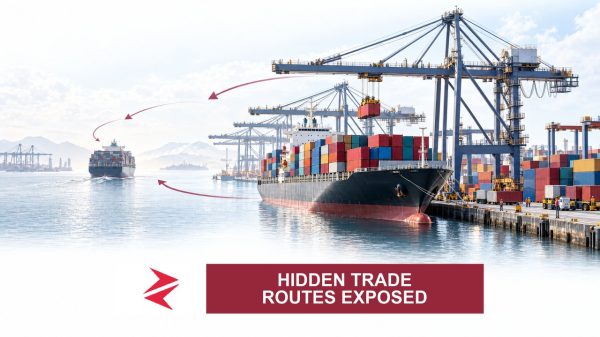
The data are clear: China is the engine of the deficit, India’s goods are slipping in through regional hubs, and the limited pharma exemptions are a band‑aid rather than a solution. The public bears the cost, yet the policy narrative remains focused on “anti‑smuggling” rhetoric without addressing the structural incentives that keep the deficit expanding. Who will ensure that the hidden channels are closed, that the trade policy aligns with the price‑stability promise made to ordinary Pakistanis, and that the burden does not stay forever on the shoulders of the poorest?
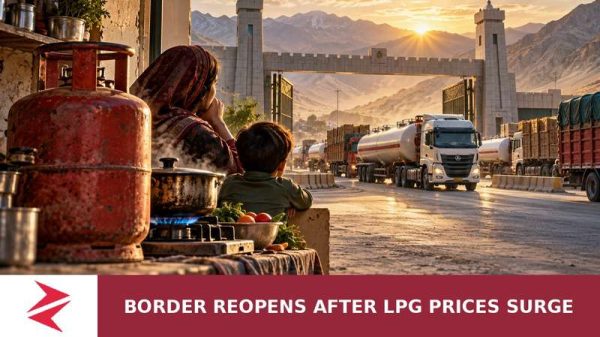
For a deeper look at how border closures already affect traders, see our earlier analysis Pakistan’s Border Trade Shutdown: Who Pays the Real Price?.













