




























Media responsibility and the temptation of sensationalism
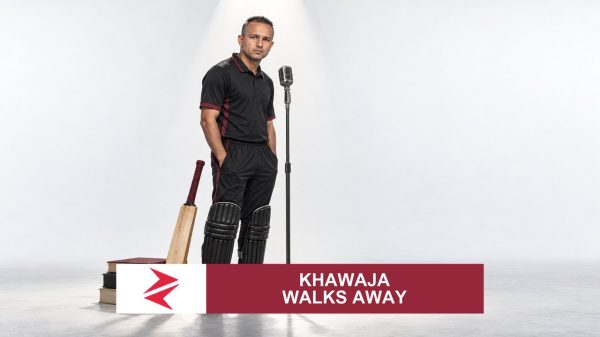
Australian media outlets have a long history of amplifying scandalous narratives for clicks, often at the expense of nuanced reporting. In Khawaja’s case, the Daily Mail’s headline – “Australia DID tamper with the ball… and the whole team knew, admits former player Usman Khawaja” – reads like click‑bait, yet the article body merely reproduces Khawaja’s refusal to elaborate further.1 This mismatch between headline and substance is a classic example of media sensationalism that misleads readers while providing no new facts. It also places an unfair burden on the public, who are left to sift through hype and speculation without a clear, evidence‑based narrative.
What the public should demand
Ordinary fans deserve answers that are rooted in verified evidence, not in a single player’s uncorroborated memoir. The appropriate response from Cricket Australia would be to reaffirm its investigative findings, explain why it believes only three players were involved, and, if new credible information emerges, commit to a fresh review. The public also deserves transparency from publishers: why was the timing of the book’s release aligned with a resurgence of interest in the scandal? Was there any editorial pressure to sensationalise the claim that “the whole team knew”?
Accountability beyond the interview room
While Khawaja’s personal choice to avoid further questioning is his right, the ripple effect of that decision is a collective loss of accountability. The cricketing community – from grassroots clubs in Lahore to elite academies in Karachi – watches these developments closely. When a former international player refuses to engage, it sends a signal that the sport’s governing bodies can sidestep scrutiny without consequence.
Where do we go from here?
The immediate question is simple: will Cricket Australia reopen its investigation if new, independently verified testimony surfaces? The answer, according to the same Daily Mail article, is a firm “no” – Todd Greenberg, the CA CEO, ruled out revisiting the case.1 That stance, combined with Khawaja’s silence, leaves a vacuum that conspiracy‑prone narratives will inevitably fill. The onus therefore falls on responsible journalists, independent cricket analysts, and, crucially, the fans who demand factual clarity.