






















The Refugee Paradox and Selective Moralism
There is also an uncomfortable contradiction that went unaddressed.
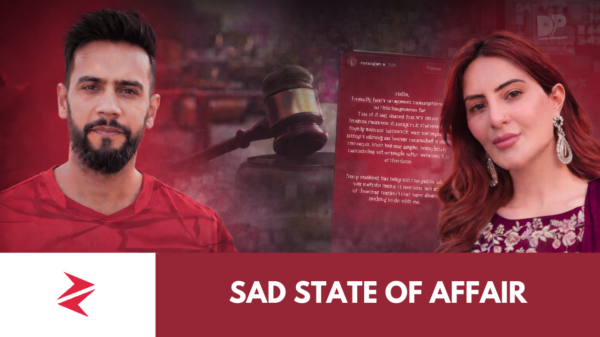
Those claiming refuge from terrorism elsewhere while simultaneously endorsing political figures accused—rightly or wrongly—of accommodating militant groups invite scrutiny. Asking that question is not harassment. It is consistency.
You cannot build moral authority on selective empathy.
Hard States, Soft Signals
Ali K. Chishti put it bluntly: hard states don’t explain internal politics on foreign TV; they exert policies.
History agrees.
The United States does not debate its prison population on Al Jazeera. France does not justify counter-terror laws on Sky News. India does not invite foreign anchors to adjudicate its courts.
When a state begins doing so, it signals uncertainty about its own legitimacy.
Pakistan should not fall into that trap.
Why Mosharraf Zaidi Was Right
Zaidi’s strength was not aggression; it was command of detail. He came prepared, spoke plainly, and refused to let unverifiable claims stand in for evidence. That alone shifted the dynamic.
For perhaps the first time in a long while, a government representative did not appear defensive or apologetic. He did not concede the framing. And that is precisely why the exchange mattered.
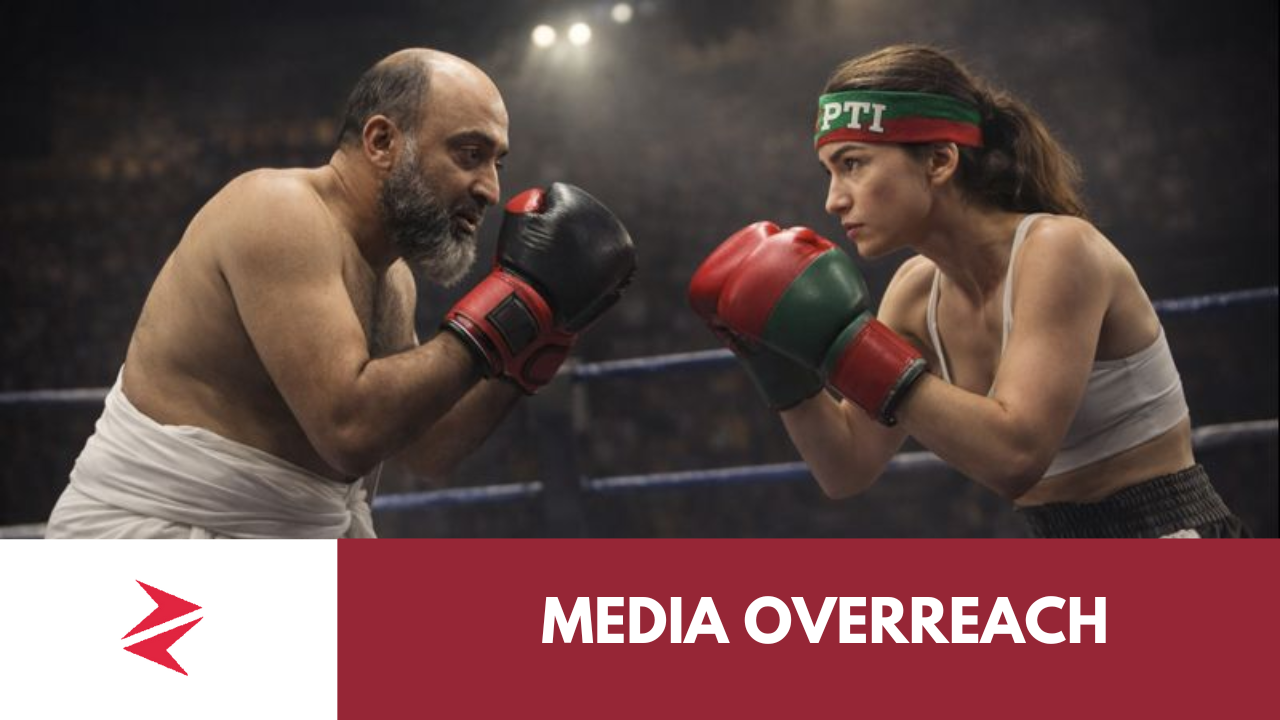
It reminded viewers that journalists are not judges, foreign studios are not courts, and viral narratives are not facts.

Final Word
Criticism of governments is legitimate. Scrutiny is necessary. But outsourcing domestic disputes to international media platforms is neither principled nor strategic.
Pakistan does not need validation from foreign anchors, nor does it need to internalize narratives built on partial information and emotional leverage.
A hard state stands on its institutions, not on appeasement.
On this count, Mosharraf Zaidi was spot on—and the interview proved it.