






























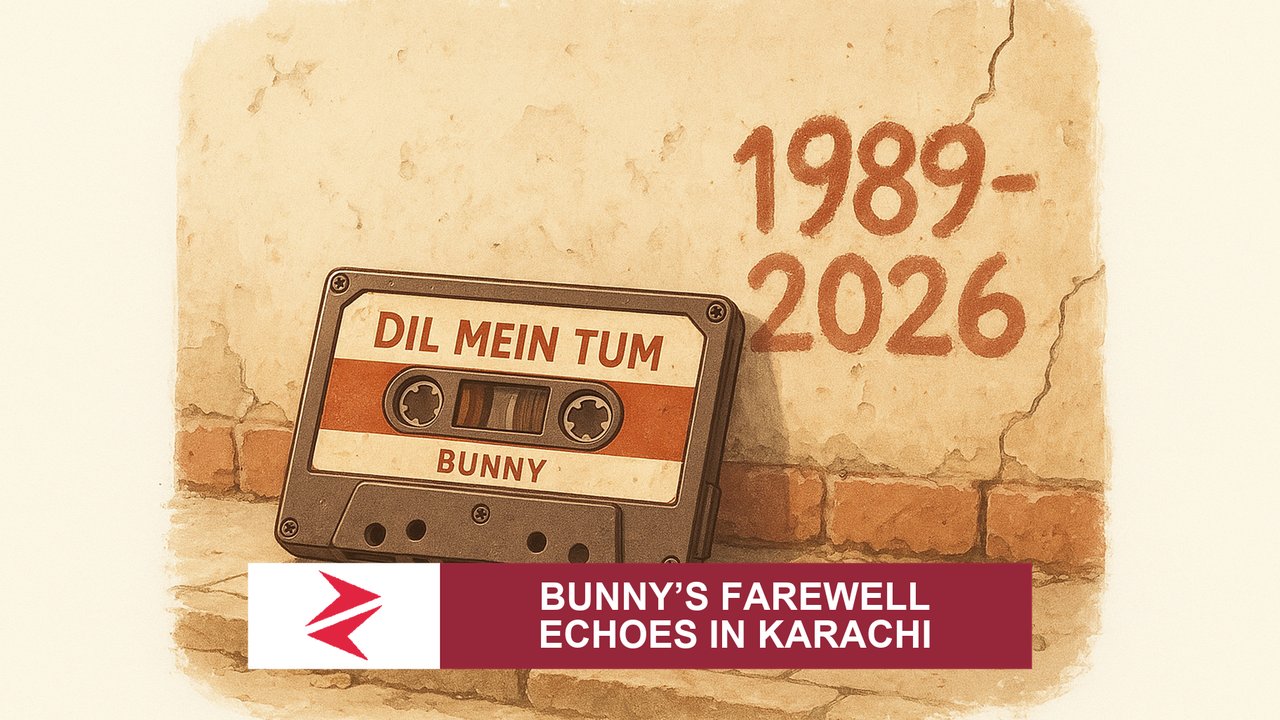
While the headlines keep tracking the latest political wrangles, a quieter, more personal tragedy unfolded on 23 November 2026: Mohsin Raza Khan – the man the nation knew as Bunny – breathed his last at the age of 74 in his Karachi home. The news did not arrive via a press conference or a state‑run bulletin; it spread through a cascade of X posts, each echoing the same stark fact: “Bunny, aka Mohsin Raza Khan has passed away.”
From the Trenches of X to the Heart of Karachi
Every post was a small monument. Fasi Zaka wrote, “Bunny, aka Mohsin Raza Khan has passed away. What a voice and what a classic song. RIP #bunny #dilmeintum.” Faizan Lakhani added, “Saddened by the passing of Mohsin Raza Khan, popularly known as Bunny, one of the unforgettable voices of Pakistan’s golden era of pop music.” The repetition was not redundancy; it was a grassroots obituary, the kind that ordinary people trust when the mainstream media stays silent.
The Stakes of a Lost Soundtrack
For a generation that grew up on cassettes and radio shows, Bunny’s melodies were more than entertainment – they were a soundtrack to schoolyard fights, first loves, and late‑night drives on Shahrah‑e‑Faisal. Posts like “He was the brightest star of 90s galaxy” (zoiatariq) and “His one song is still in my playlist” (1sudo) reveal a collective memory that now has a hole. When a cultural figure disappears, the loss is felt in the price of nostalgia: the resale value of his cassettes spikes, radio hosts scramble for replacements, and a whole cohort of Karachi’s middle class loses a reference point that once anchored their identity.