






















Critics pointed out the irony: a film accused of anti-Pakistan sentiment borrowing from shared Indo-Pak Sufi heritage. Defenders cited Indian contributors like Sahir Ludhianvi and Roshan.
Both arguments coexist. That’s the discomfort.
Worse, an Arabic song was misrepresented as a “Baloch song.” For Baloch listeners, this wasn’t a minor credit slip—it was cultural erasure layered onto a film already accused of careless representation. In an era hyper-aware of identity and provenance, such mistakes land hard.
From Screen to Industry Street Fight
As if geopolitics weren’t enough, Bollywood imploded inward.
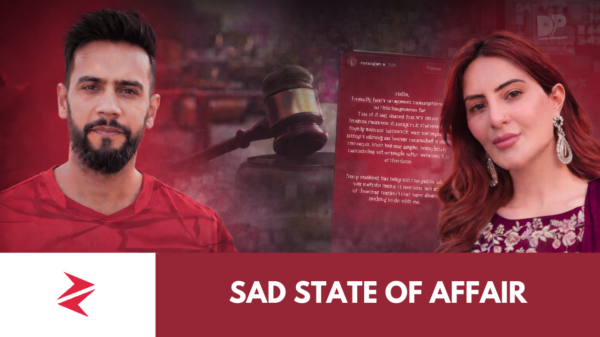
Kumar Mangat Pathak, producer of Drishyam 3, publicly labeled Akshaye Khanna “toxic” and “unprofessional” for exiting the project pre-shoot—claiming Dhurandhar’s success “went to his head” and scoffing that a Khanna-led solo film “won’t make ₹50 crore.”
Contracts were signed. Fees renegotiated. An advance paid. A wig demand rejected over continuity. An abrupt exit. A legal notice. Jaideep Ahlawat stepped in.
The optics were worse than the paperwork.
Khanna stayed silent—on brand for an actor allergic to publicity. The public didn’t. Comment sections flooded with support, praising his scene-stealing performance and accusing the producer of sour grapes. The question echoed loudly: if a performance helps mint ₹1,000+ crore, why shouldn’t the performer renegotiate power?
What Dhurandhar Ultimately Reveals
Narrative power is political. When cinema touches real places and people, scrutiny is inevitable.