












































Three‑year total cost: the bottom line
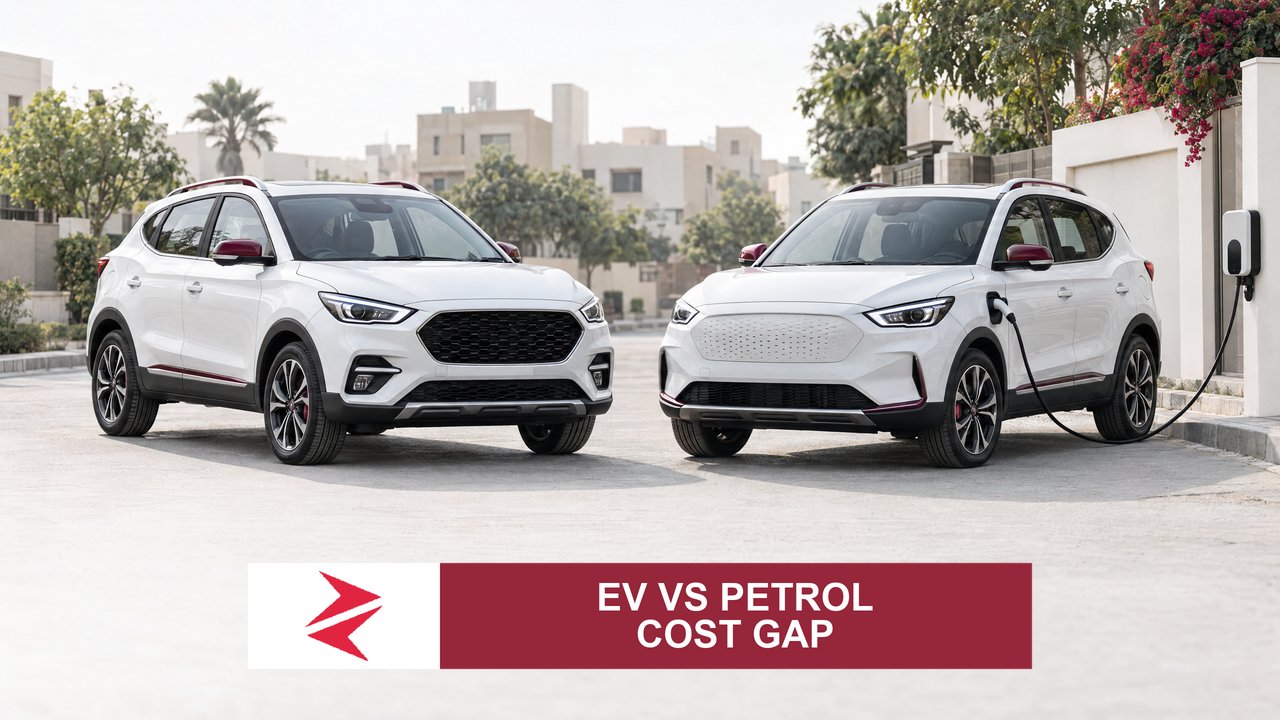
Adding purchase price to fuel cost gives a three‑year total of Rs 54.8 lakh for the petrol car and Rs 100.7 lakh for the EV – a Rs 45.9 lakh disadvantage for the electric model. The calculation deliberately omits maintenance, insurance, depreciation or financing, but those omitted items would only widen the gap for the EV, not shrink it.
When (if ever) does the EV win?
The thread projects that the Rs 2.3 lakh annual fuel saving would require about 248,000 km – roughly 22 years at 30 km a day – to recover the Rs 52.9 lakh price premium. If a driver relies on public chargers priced at Rs 94 per unit instead of the home rate, the break‑even stretches toward 30 years. In other words, the EV’s “green” promise becomes a financial albatross for the average Pakistani commuter.
Opportunity cost of the premium
Iftikhar adds a stark comparison: investing the Rs 52.9 lakh premium at a modest 10 % pre‑tax return would generate about Rs 5.3 lakh a year, more than double the EV’s fuel‑saving benefit. For a household that could channel that lump sum into a savings account, a small business, or a down‑payment on a home, the petrol‑plus‑investment route is plainly superior.













