








































There are moments when public anger stops sounding irrational and starts sounding inevitable.
When a man convicted of trafficking minors dies in federal custody under camera failure, guard negligence, and sealed evidence. When thousands of names appear in contact books and flight logs, yet almost no high-profile prosecutions follow. When court documents are released in fragments, heavily redacted, years apart. When each disclosure feels incomplete.
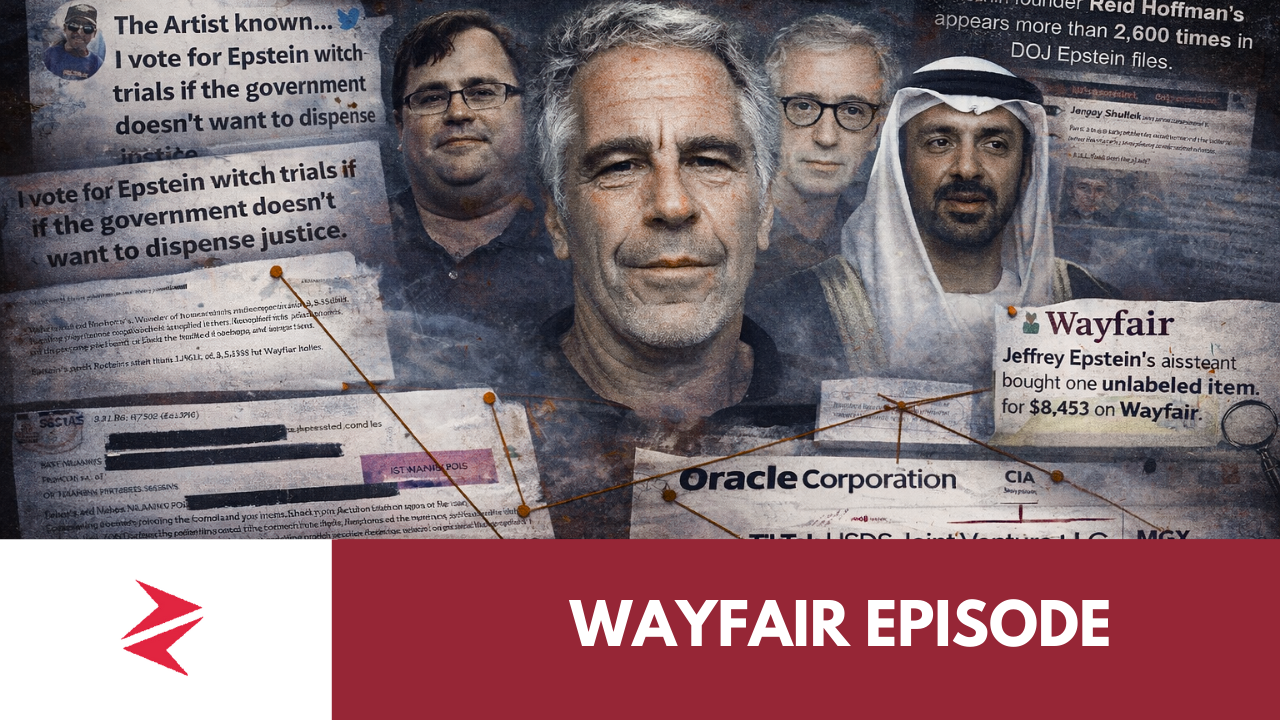
The outrage you see in the screenshots above — calls for “witch trials,” accusations tied to a $8,453 Wayfair purchase, questions about corporate elites appearing in Epstein’s files — does not emerge in a vacuum. It emerges from prolonged opacity.

And opacity breeds suspicion.
The $8,453 Wayfair Purchase — Why It Keeps Resurfacing
Court-released estate documents show that Epstein’s assistant placed a Wayfair order totaling approximately $8,453. Invoice breakdowns indicate multiple household goods were included — furniture, lighting, decor — with shipping and tax adjustments accounting for the total.
There is no court ruling stating that this purchase involved trafficking.
But here is the critical point: the public distrust does not stem from this single invoice. It stems from context.
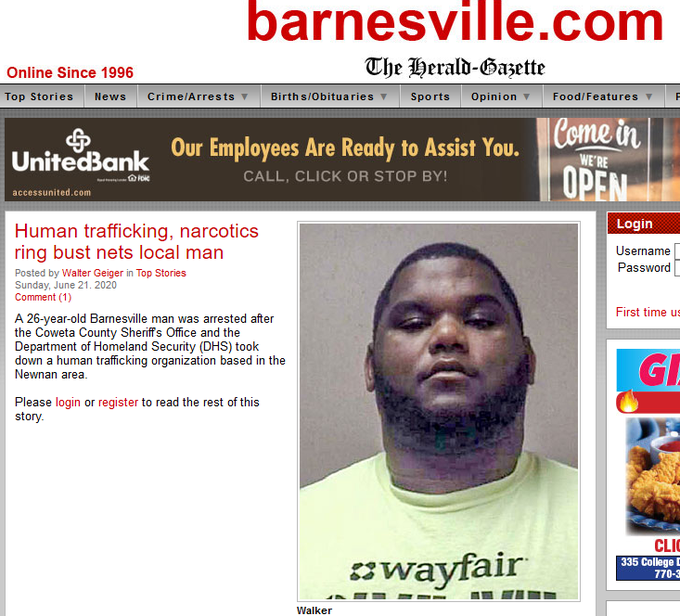
The 2020 Wayfair controversy, in which overpriced cabinets were alleged to correspond to missing children’s names, was officially debunked by outlets such as BBC, The Washington Post, Snopes, and Polaris. Law enforcement did not charge Wayfair. No trafficking victims were recovered from warehouse operations.