








































The $8,453 Wayfair Purchase — Why It Keeps Resurfacing
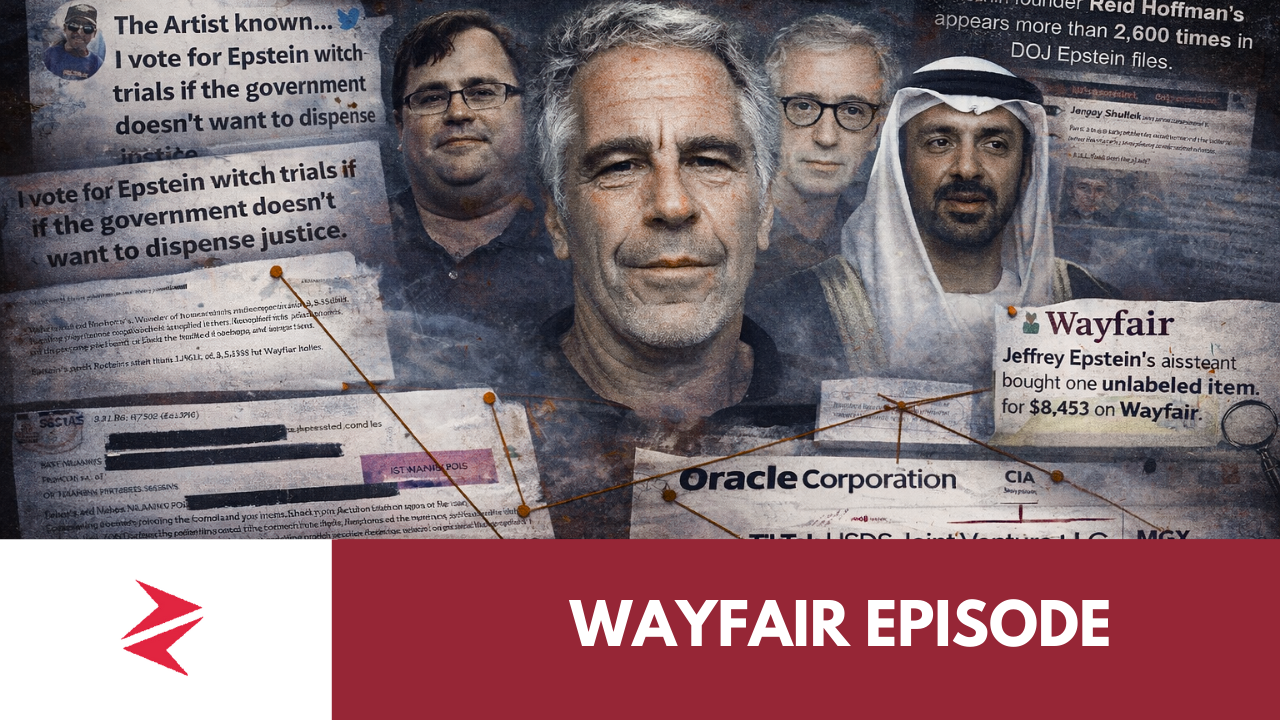
Court-released estate documents show that Epstein’s assistant placed a Wayfair order totaling approximately $8,453. Invoice breakdowns indicate multiple household goods were included — furniture, lighting, decor — with shipping and tax adjustments accounting for the total.
There is no court ruling stating that this purchase involved trafficking.
But here is the critical point: the public distrust does not stem from this single invoice. It stems from context.
The 2020 Wayfair controversy, in which overpriced cabinets were alleged to correspond to missing children’s names, was officially debunked by outlets such as BBC, The Washington Post, Snopes, and Polaris. Law enforcement did not charge Wayfair. No trafficking victims were recovered from warehouse operations.


Yet the theory persists.
Why?
Because when institutional trust collapses, official denials lose persuasive force.
When people watched Epstein receive a non-prosecution agreement in 2008 that shielded co-conspirators, then saw him die before trial in 2019, the message absorbed was simple: protection exists at elite levels.
Once that belief solidifies, every anomaly becomes suspect.
“2,600 Mentions” — The Power Network Question
One viral image claims Reid Hoffman’s name appears more than 2,600 times in DOJ Epstein files. Appearance in files does not equate to criminal guilt. That is a legal fact.


But volume raises legitimate public questions.
Epstein’s documented network included financiers, politicians, academics, royalty, and technology executives across ideological lines. His access was not partisan. It was elite.
When names surface repeatedly without subsequent legal clarity, the perception of immunity grows.
Perception matters in governance.