



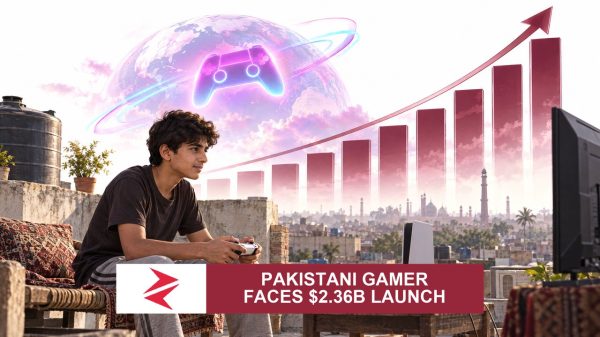































When a CultureCrave post on X quoted SensorTower and Deadline saying Grand Theft Auto VI pulled in roughly $2.36 billion in its first 24 hours, the headline screamed “biggest video‑game launch in history.” The numbers are eye‑watering, but the story that follows is far less glittery for the ordinary Pakistani gamer who watches the same numbers on a cracked TV screen.

What the $2.36 B Figure Really Says
The claim rests on a single social‑media post ( that references two industry trackers. Neither Tracker released a detailed breakdown, and no audited revenue sheet from Take‑Two has been published yet. In other words, the $2.36 billion is an estimate, not a certified fact. That matters because the narrative that “the biggest launch ever” automatically translates into a win for everyone is a myth propagated by marketing departments that love superlatives.
Who Does the Money Go To?
Rockstar Games and its parent Take‑Two Interactive sit at the top of the payout ladder. Their profit margins on a blockbuster are typically in the 40‑50 % range after platform fees, taxes, and royalty splits. The PlayStation 5, which according to the trending summary accounted for three‑quarters of units sold, also pockets a 30 % cut on each sale. That leaves roughly $800 million to $1 billion for Rockstar’s development team, shareholder dividends, and future franchise investments.
For Pakistani gamers the flow looks very different. The average price of a PS5 in Pakistan today hovers around PKR 180,000 (≈ $1,000) after import duties, GST, and retailer mark‑ups. A single copy of GTA VI retails for roughly PKR 12,000. Even if a Pakistani gamer buys the game on launch day, the portion of that $2.36 billion that ever touches his wallet is a fraction of a percent. The rest is absorbed by overseas studios, foreign exchange fees, and a tax net that the Pakistani government uses to fund infrastructure—often poorly.
Public Cost and Opportunity
High‑priced consoles and games create a hidden public cost. Families that stretch to afford a PS5 frequently divert money from education, health, or small‑business capital. A tweet from @tmo_melonmaster captured the sentiment: “Wait, so it made the 2 billion dollar budget back in a single day? Goddamn! Can’t imagine the level of revenue it’s going to get when multiplayer comes out.” The excitement masks a stark reality: the same budget could have funded dozens of local tech startups, vocational training centers, or renewable‑energy projects that directly improve livelihoods.