
























Responsibility and incentive
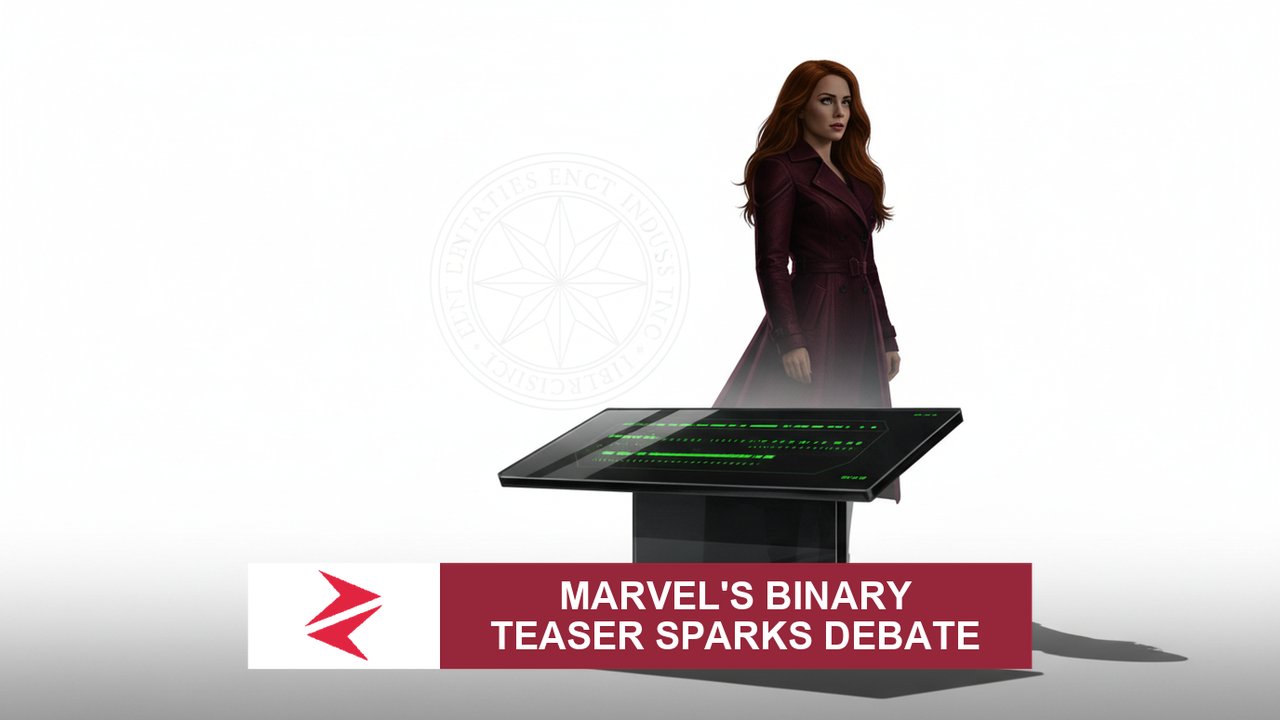
Marvel Studios has a clear incentive to generate buzz. A cryptic tweet is cheap, it requires no production budget, and it guarantees millions of impressions as algorithms amplify anything that looks like a puzzle. The responsibility, however, lies in the fallout: fan forums become echo chambers, misinformation spreads, and the line between genuine excitement and manufactured frenzy blurs. The studio’s silence on the meaning of the binary—no follow‑up press release, no clarification—leaves the void to be filled by speculation. That silence is a strategic choice, not an accident.
Public cost of the guessing game
When a multinational corporation leverages cryptic messaging, the public pays in attention and in emotional labor. The phrase itself is innocuous, but the effort to decode it is not. Young professionals in Karachi or Lahore, scrolling through X after a long shift, may spend ten, twenty minutes trying to confirm whether the binary really says what fans claim. Multiply that by millions of viewers worldwide, and the cumulative wasted attention becomes a measurable cost.
Where does the line fall?
There is a difference between clever marketing and manipulation. A teaser that hints at a plot point—say, a silhouette of a character—adds genuine anticipation. A binary string that offers no context, however, forces the audience to become amateur cryptographers. The line is crossed when the studio’s only response is “decode it yourself.” At that point, the brand is no longer inviting fans into a shared narrative; it is exploiting their desire for insider knowledge.