





































“This is not about influence. This is about intrusion.”
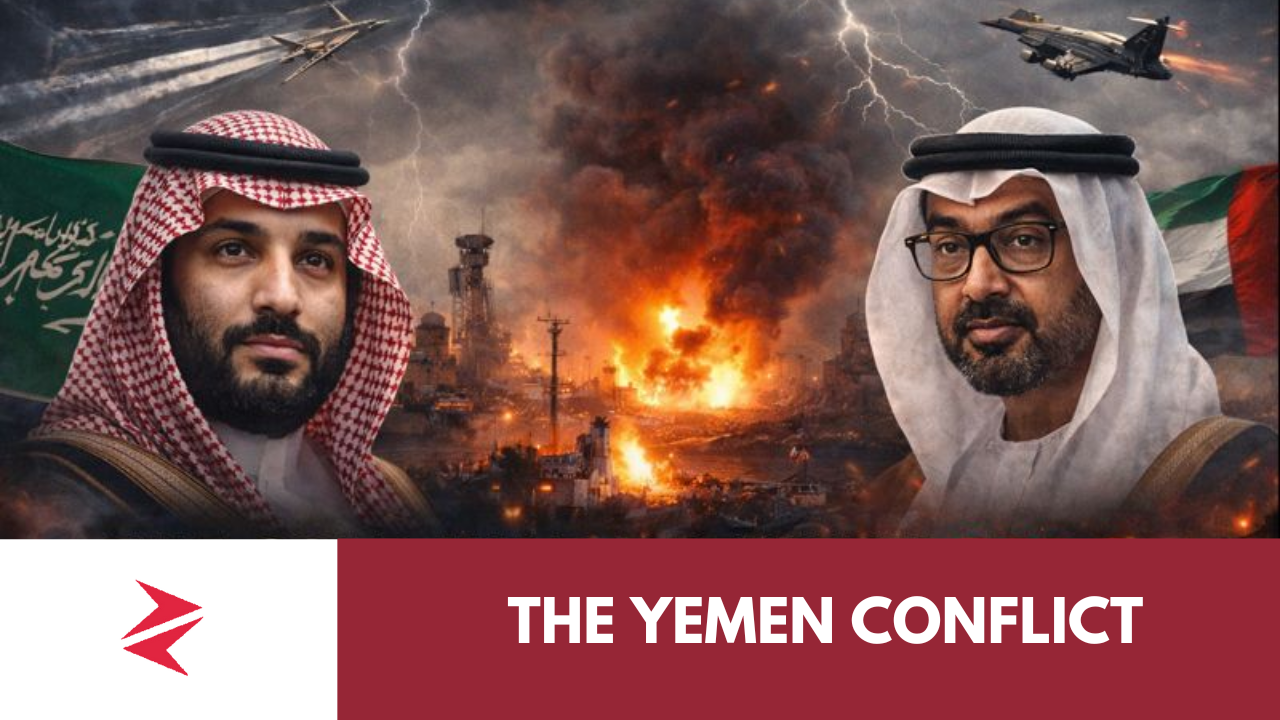
For Saudi Arabia, UAE-backed weapons flows there cross from diplomacy into threat.
The Israel Factor No One Wants to Say Out Loud
The timing is not accidental.
-
UAE’s deepening security alignment with Israel
-
Speculation over Israeli air and naval access via Emirati bases
-
Claims (unverified but circulating widely) that UAE encouraged Houthi strikes on NEOM
-
Regional fears that Iran–Israel escalation could drag Gulf states into direct fire
From Riyadh’s perspective:
-
An Israeli-UAE security architecture on its southern approaches is unacceptable
-
Any Emirati action that invites Iranian retaliation destabilizes Saudi Vision 2030
-
Yemen becoming a chessboard for non-Arab, non-Yemeni agendas is a red line
This is why Saudi Arabia went gloves-off.
The “Anti-Semitism” Deflection Is Strategic Misdirection
Criticism of UAE policy is now routinely dismissed as “antisemitic.”
This is intellectually dishonest and strategically lazy.
Saudi Arabia is:
-
Explicitly anti-Muslim Brotherhood
-
Deeply pragmatic with global powers
-
Focused on state sovereignty
Yet Saudi Arabia itself is leading the criticism.
When Riyadh says Emirati actions threaten its national security, this is not ideology—it is calculus.
Conflating geopolitical disagreement with antisemitism is a propaganda shortcut, not analysis.
Why Pakistan Cannot Play a Double Game
Here’s where Islamabad must be careful.

Pakistan has:
-
A strategic defense framework with Saudi Arabia
-
Deep economic and expatriate links with the UAE
-
Painful historical lessons about ambiguous positioning
The Iraq–Kuwait Precedent
In 1990, regional actors tried to hedge—maintaining ties with both Iraq and Kuwait.
Those who delayed clarity paid economically, diplomatically, and reputationally.
Pakistan cannot:
-
Endorse Saudi security concerns and
-
Remain silent on actions Riyadh deems existential threats
But Pakistan also must not: