


























Connect with Zorays

Hi, what are you looking for?

Sports

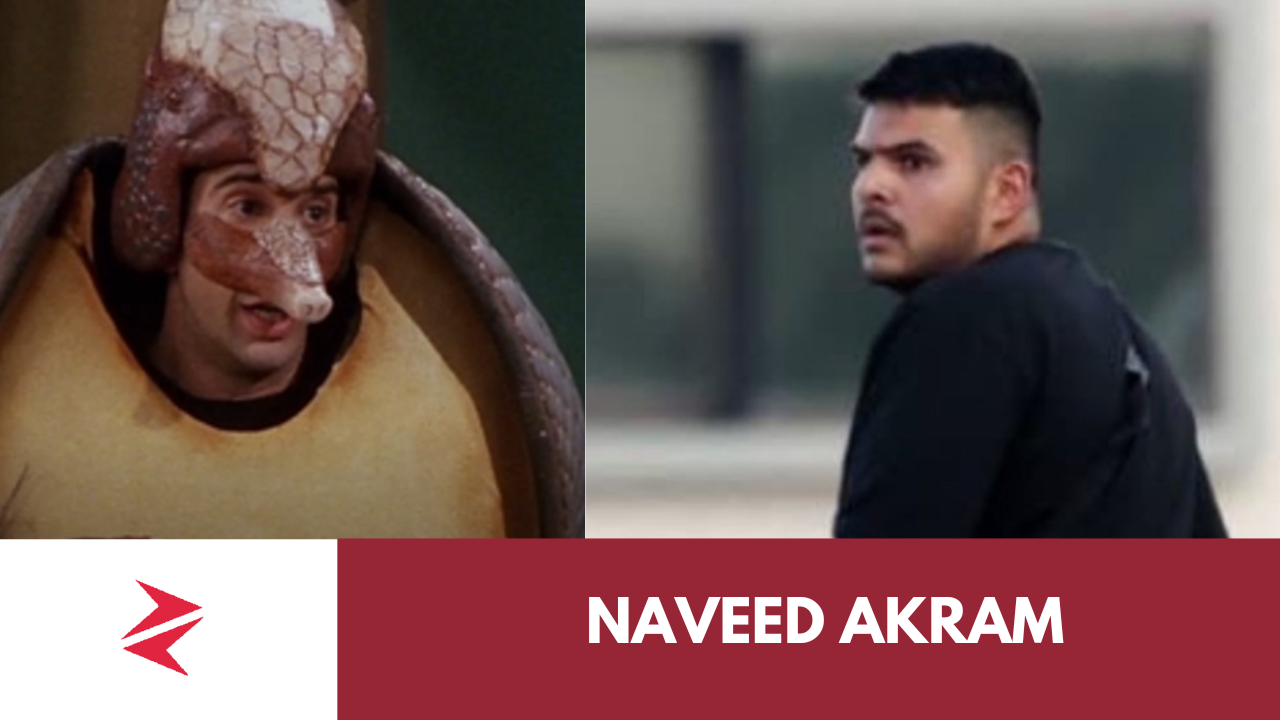
Naveed Akram: The Bondi Beach Hanukkah Tragedy and Hidden Indian Agendas

Indian Hired Afghan

But amid the grief, questions arise. Why target a peaceful religious gathering? And who benefits from sowing such division?

Patterns of Provocation

This attack does not occur in isolation. In recent years, tensions involving South Asian geopolitics have spilled into the diaspora. Recall events in Canada: the 2023 assassination of Khalistani separatist Hardeep Singh Nijjar, followed by accusations of Indian involvement in violence against pro-Khalistan figures. India has long accused Canada of harboring extremists who advocate violence, while Ottawa has pointed fingers at alleged Indian “foreign interference.” May I tell you that J Shankar and Narendra Modi coming up to tweet about it tells a lot about their failed diplomacy post 5th May and this in turn means that they orchestrated the event and started shouting wolf, wolf! the very moment.

These disputes highlight how state actors—real or perceived—might exploit proxies to advance agendas. In a world of shadowy operations, vulnerable individuals from conflict zones (like Afghanistan) can become tools in larger games. Could external forces be manipulating radicalized or coerced individuals to strike at unrelated communities, creating turmoil that distracts from other conflicts or tarnishes reputations?

Peaceful Islam, a faith of compassion and community, suffers most from such acts. When attacks are carried out in its name—or by those from Muslim-majority backgrounds—they fuel Islamophobia and division. True adherents of Islam condemn terrorism unequivocally, yet the dissonance grows: headlines link “Islam” to violence, overshadowing the religion’s emphasis on peace (*salaam*). This creates a vicious cycle, where extremists (or those manipulated into extremism) harm everyone—victims, perpetrators’ communities, and the faith itself.

Pages: 1 2 3 4 5 6

Click to comment

Leave a Reply

Your email address will not be published. Required fields are marked *

You May Also Like

World Affairs

Pakistan, Saudi Arabia and Türkiye’s Makkah defence pact creates collective deterrence—but its Article 51 limits and obligations demand scrutiny.

World Affairs

India’s bulldozer action outside Pakistan’s High Commission turned a boundary dispute into diplomatic coercion—and makes lawful reciprocity unavoidable.

Society & Culture

I dislike Tabish Hashmi’s comedy, but evidence still does not prove Geo removed him over Kashmir. Here is what the public record actually shows...

Politics & Governance

Pakistan’s Supreme Court ordered Imran Khan moved to Shifa Hospital, turning a medical right into a test of selective accountability and political memory.

World Affairs

Sergio Gor called Kashmir part of India. Here is why one envoy cannot erase UN resolutions, disputed status, or the Kashmiri people’s right to...

World Affairs

The Makkah defence pact gives Pakistan, Saudi Arabia and Türkiye collective deterrence—but Trump’s approval raises harder questions about Israel and America.

Technology & AI

Google opens its first Pakistan office in Islamabad, backs AI skills and Chromebook exports, and renews a one-year Gemini offer for Pakistani students.

Advertisement