

















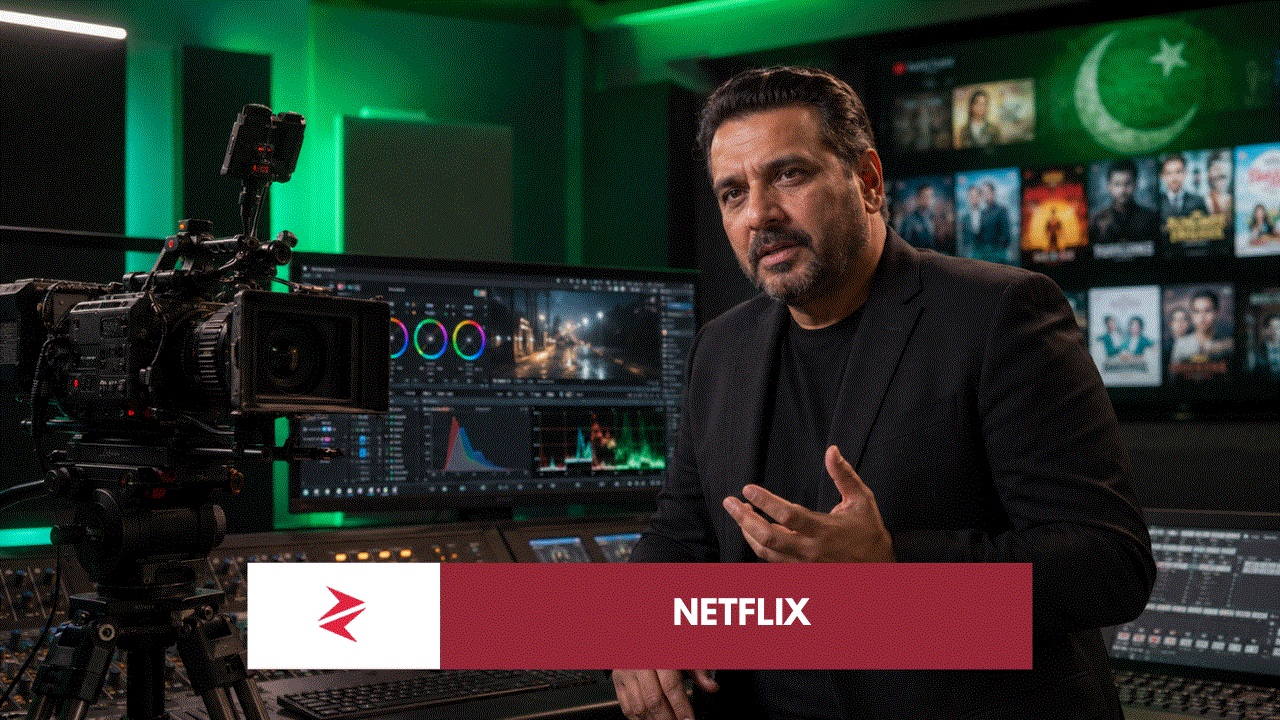
The Zorays Pakistan OTT Readiness Framework
The following is an independent editorial framework, not an official Netflix scoring system. It is designed to show producers where the real work begins.
| Readiness area | Weight | Evidence expected before an international pitch |
| Story and series development | 20 | Polished pilot, series bible, character arcs, season engine, episode outlines and target-audience definition |
| Rights and legal control | 15 | Chain of title, writer agreements, adaptation rights, music clearances, talent releases and territory availability |
| Production planning | 15 | Defensible budget, schedule, department heads, risk plan, continuity system and insured production structure |
| Image, sound and post-production | 20 | Tested capture pipeline, colour management, professional sound workflow, quality-controlled masters and archival plan |
| Localisation and accessibility | 15 | Accurate subtitles, dialogue lists, M&E tracks, dubbing materials, metadata and accessibility assets |
| Representation and sales | 15 | Experienced producer, agent or sales company, pitch strategy, buyer access, festival plan and market positioning |
| Total | 100 | A project scoring below 70 should not waste its first buyer introduction |
This is the same national lesson visible beyond entertainment. Pakistan succeeds internationally when it stops confusing raw ability with institutional readiness. The country that can place a Sialkot-manufactured football at the centre of a global tournament can also export stories, but only when quality is built into the system rather than inspected at the end. The same principle appears in the analysis of how global brands turn restrictions and cultural moments into commercial advantage: reach is never created by product alone; it is created through positioning, distribution and execution.
What Pakistan Must Do Next
The immediate answer is not another thirty-episode domestic drama relabelled as a “web series.” Pakistan needs purpose-built eight-to-ten-episode limited series developed for streaming consumption, with every episode advancing the plot and every department working from a shared delivery plan.
Broadcasters should establish separate OTT development divisions instead of merely exporting television leftovers. Producers should appoint showrunners capable of controlling story, budget and production continuity. Film schools should teach delivery standards and rights management alongside camera operation. Sound must receive a protected budget before shooting begins. Writers must be contracted and paid during development rather than invited after the stars and broadcast slot have already been selected.
Pakistan also needs its own strong streaming services, but building an app and uploading channel archives is not an OTT strategy. A viable platform requires recommendation systems, subscriber analytics, payment integration, anti-piracy controls, content discovery, metadata, customer support, smart-TV applications, diaspora rights and a reason for audiences to pay instead of watching the same programme free on YouTube.
An indigenous platform and access to Netflix are not opposing choices. Pakistan should develop domestic digital distribution while simultaneously preparing premium projects for international buyers. ZEE5, broadcaster-owned streaming services and global subscription platforms follow different commercial models; Pakistan needs enough institutional intelligence to work with all of them rather than treating one platform as the only certificate of artistic legitimacy.


AI Music Generator
July 17, 2026 at 5:00 pm
The title makes an important point because it’s often easier to blame platforms than to examine whether our stories are being developed, packaged, and marketed in a way that fits global audiences. I also think this conversation should include the role of consistent investment in writing, production quality, and long-term intellectual property, since those are just as important as getting a meeting with a streaming platform.