





































When Prime Minister Shehbaz Sharif posted, “Heartiest congratulations to Field Marshal Syed Asim Munir on his induction as a member in Malaysia’s National Defence Studies Centre’s Hall of Fame,” the tweet lit up the patriotic feeds of millions of Pakistanis. A day later, Malaysian Prime Minister Anwar Ibrahim echoed the sentiment, writing that he had received a “courtesy visit” from the Pakistani chief of army staff and congratulated him on the same honour. The two official X posts are the only public record of the ceremony, and they raise a simple yet potent question: does a ceremonial induction translate into tangible benefit for the ordinary citizen, or is it merely a glossy diplomatic postcard?
What the posts actually say
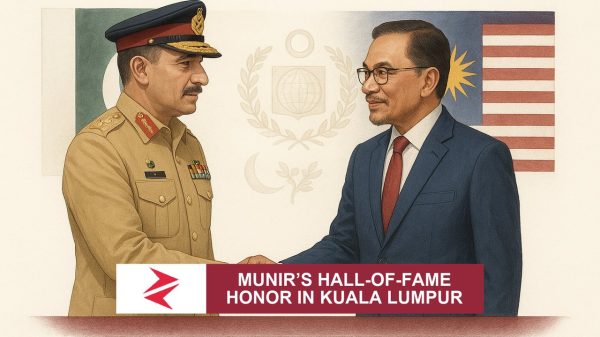
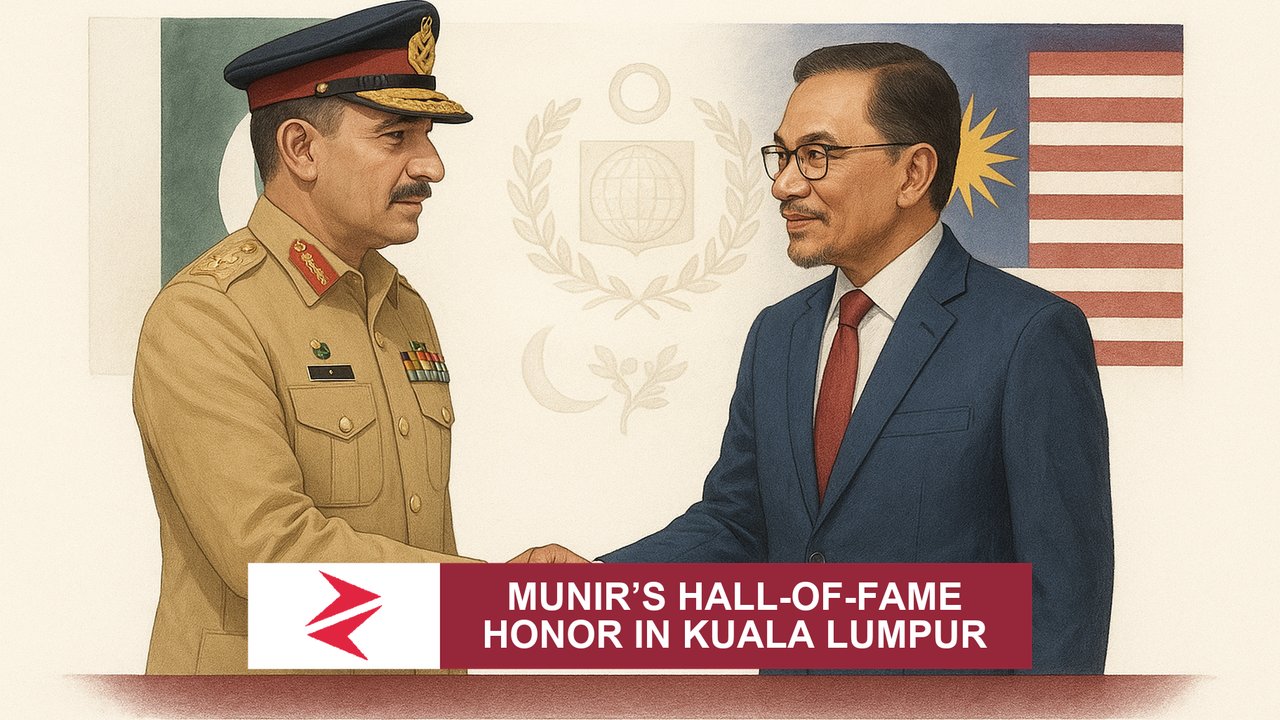
The evidence is starkly limited. Anwar’s post confirms a face‑to‑face meeting and the formal language of a “courtesy visit.” Sharif’s post adds a layer of nationalistic framing, calling the honour a “reflection of the enduring friendship between Pakistan and Malaysia.” No Malaysian defence ministry release, no independent newswire, and no third‑party verification have surfaced as of this writing. The visual record – a photograph showing Munir in his tan service dress beside Anwar in a blue plaid suit, with the seal of the Prime Minister’s Office in the background – corroborates that a meeting took place, but it does not confirm the procedural details of the Hall‑of‑Fame induction.

Why the honour matters to the public
For a country that spends roughly 4 % of its GDP on defence, any international accolade that can be spun into a narrative of competence matters. Ordinary Pakistanis, already bearing the brunt of rising food prices and energy shortages, look to the armed forces as a source of stability and national pride. A Hall‑of‑Fame induction can boost morale, potentially stiffening recruitment drives and justifying continued budget allocations to the army. That morale boost, however, is a psychological benefit, not a fiscal one. The ceremony itself costs nothing beyond the travel and accommodation of the delegation – expenses that are already baked into the routine diplomatic budget. What the public truly cares about is whether this symbolic nod will open doors to concrete defence cooperation: joint training, technology transfer, or procurement deals that could offset the high cost of indigenous platforms like the JF‑17.
Incentives behind the ceremony
From Kuala Lumpur’s perspective, extending a Hall‑of‑Fame invitation to Pakistan’s top military officer signals a willingness to deepen defence ties without the fanfare of a formal treaty. Malaysia, navigating a delicate balance between the United States, China and regional rivals, benefits from showcasing a diversified security portfolio. For Pakistan, the incentive is equally clear: a public‑facing endorsement that can be leveraged at home to counter narratives of strategic isolation. The two X posts illustrate a classic quid‑pro‑quo – a visit, a handshake, and a headline that both governments can parade in their domestic media cycles.