

































The $5 Billion Refinery Push Is a Separate—but Connected—Story
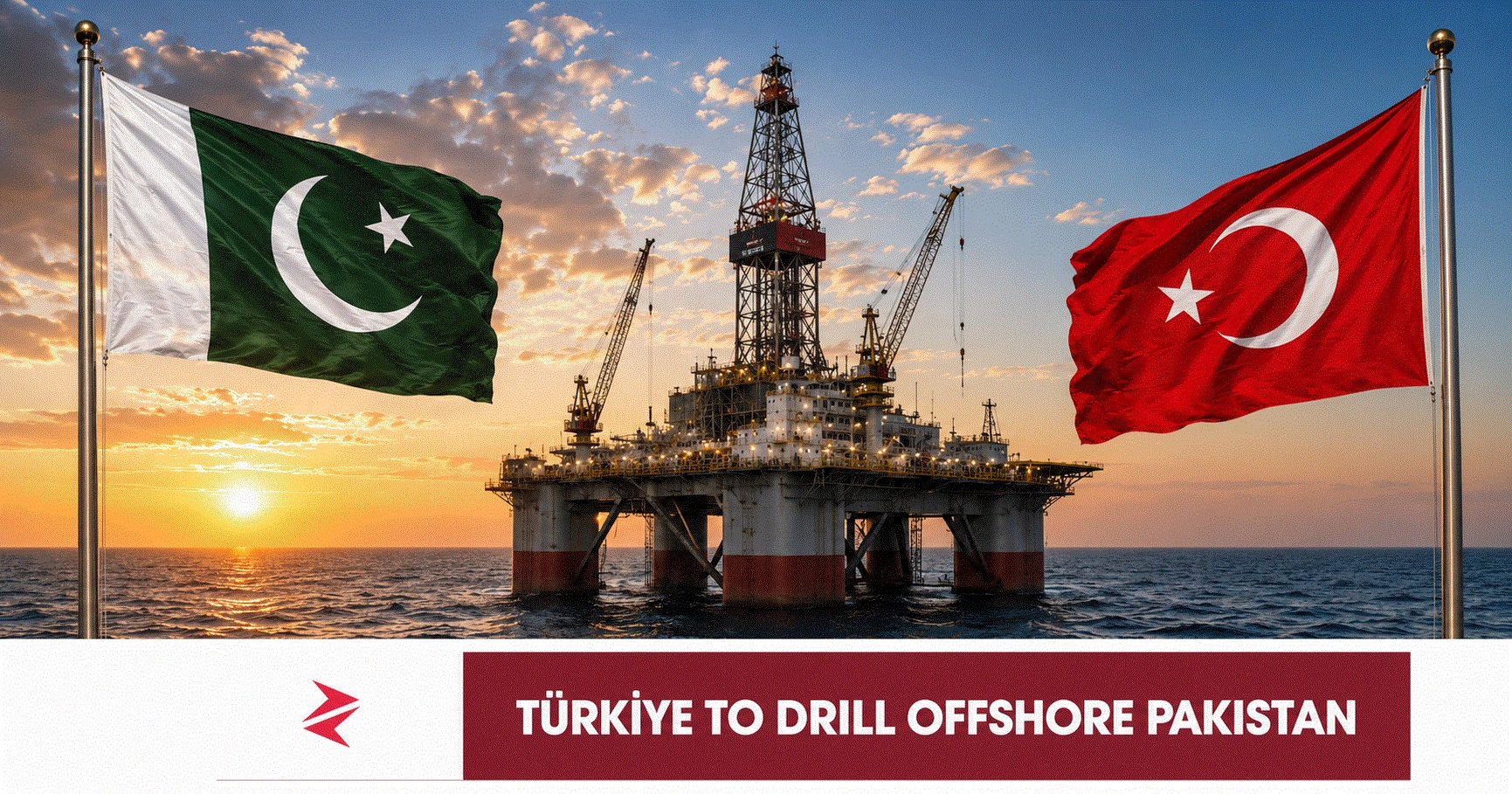
The offshore announcement arrived alongside Malik’s claim that companies would begin signing approximately $5 billion in formal refinery-upgrade agreements from September. He emphasised that these would be investment agreements rather than memoranda of understanding.
Pakistan’s ageing hydro-skimming refineries cannot efficiently produce the full mix of cleaner, higher-value fuels required by the domestic market. Deep-conversion upgrades could increase the output of products such as diesel while reducing lower-value furnace oil production.
However, refinery investment and offshore exploration solve different problems. Refineries transform crude into usable products; they do not create crude oil. Pakistan could modernise every refinery and remain dependent on imported crude. Conversely, it could discover offshore petroleum but still require modern facilities, pipelines and product-distribution capacity to capture the full economic benefit.
The strategic opportunity lies in connecting upstream exploration, refinery modernisation, storage, pipelines and transparent fuel pricing into one national energy plan.
What Nobody Is Telling Pakistan
The real test is not whether Türkiye brings a vessel. The real test is whether Pakistan stops treating every foreign arrival as an event and starts treating exploration as a repeatable industrial programme.
One well cannot build energy security. Pakistan needs consistent licensing rounds, reliable geological data, predictable contracts, faster regulatory approvals, enforceable environmental safeguards and payment discipline across the petroleum chain. Malik acknowledged gas-sector circular debt exceeding Rs1.5 trillion—a burden capable of frightening away precisely the investors Pakistan is trying to attract.
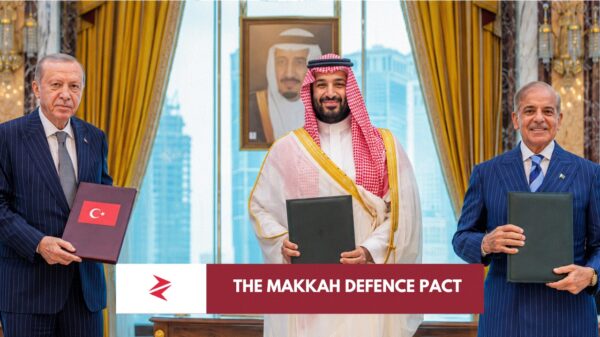
The announced consortiums committed around $80 million in initial work over three years. Reuters reported that eventual investment could rise to between $750 million and $1 billion if drilling progresses. The two most important words are “could” and “if.”
Likewise, the proposed Russia-to-India rail corridors through Central Asia, Iran, Afghanistan and Pakistan illustrate Pakistan’s broader geographic opportunity, but those discussions remain exploratory. A map line is not a railway, just as an awarded offshore block is not a producing oilfield. Pakistan’s advantage will materialise only when geography is converted into operational infrastructure.
Frequently Asked Questions
Has Türkiye discovered oil in Pakistan?
No. Türkiye’s TPAO is preparing for seismic and offshore exploration activity. No commercial offshore discovery has been announced.