
































Who benefits and who pays
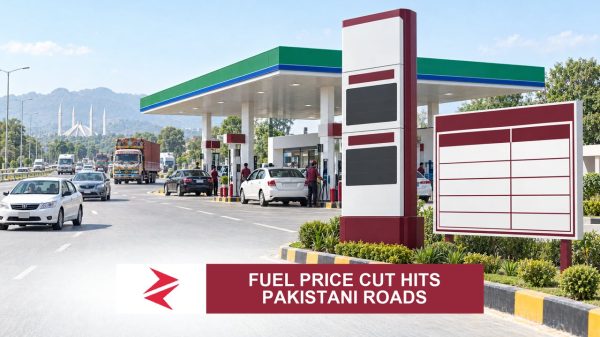
For the average commuter, the Rs 8 per litre cut translates to roughly Rs 480 saved each month – a welcome but not transformative amount. Small‑scale rickshaw operators, heavy diesel users, see about Rs 650 a month back in their pockets. The savings are real, yet they are dwarfed by the broader cost‑of‑living squeeze: electricity tariffs have risen by double‑digit percentages, food inflation hovers around 30 %, and the rupee continues to slide against the dollar.
The political calculus
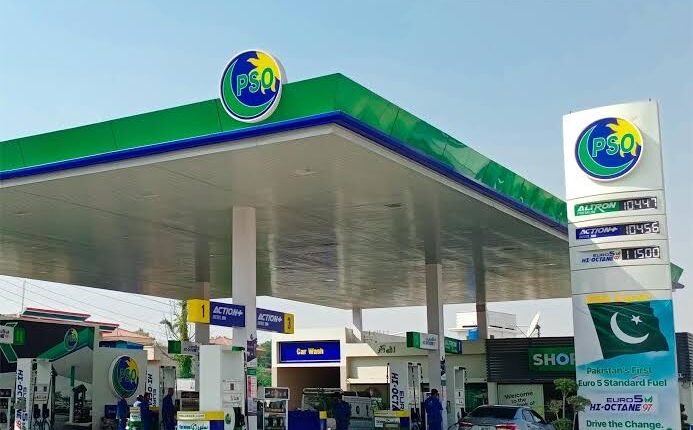
The timing is no accident. The daily‑pricing mechanism, introduced in July, mirrors global benchmarks and the USD‑PKR rate. When world oil slipped, the government seized the moment to claim a victory, even though the underlying supply‑chain inefficiencies – taxes, subsidies, and opaque PSO premiums – remain untouched. Critics argue that once the market stabilises, the numbers will be nudged upward again to suit political calculations rather than public need.
Bottom line
The OGRA announcement is factual: petrol at Rs 338/L and diesel at Rs 371/L, effective 11 Nov 2026. The applause is justified, but the narrative of a sweeping triumph must be weighed against the relentless, structural pressures that ordinary Pakistanis face daily. Will the pricing mechanism continue to pass on falling global oil prices, or will political expediency keep the numbers artificially high once the market steadies? The answer will decide whether this cut is a genuine relief or a fleeting political flash.