






Connect with Zorays

Hi, what are you looking for?

Opinions

PIA Privatization 2025: All You Need to Know — Facts, Numbers, Myths, and Market Impact

Pakistan receives three sealed bids for PIA privatization in a live-televised milestone tied to IMF reforms. Here’s what the bidders are, why the numbers now make sense, and what it means for Pakistan’s economy, aviation sector, and stock market.

PIA

If this succeeds, Pakistan gets:

  • Lower fiscal hemorrhage

  • Better service

  • A template for other SOEs

  • A signal to markets that reform isn’t cosmetic

If it fails—again—it won’t be because privatization is wrong.
It’ll be because delay always costs more than reform.

The bids opened at 4:00 PM today. In the second round of PIA privatization bidding on December 23, 2025, three consortia submitted offers for a 75% stake in Pakistan International Airlines (PIACL):

  • Arif Habib consortium (led by Arif Habib Corporation, including Fatima Fertilizer, City Schools, and Lake City Holdings): Rs 115 billion
  • Lucky Cement consortium (led by Lucky Cement, including Hub Power Holdings, Kohat Cement, and Metro Ventures): Rs 101.5 billion
  • Airblue (solo bidder): Rs 26-26.5 billion

The government’s reserve/reference price was approximately Rs 100 billion (reports indicate bids above Rs 100 billion triggered a second open auction round, with Arif Habib emerging highest in the initial sealed bids).

Payment and equity structure (as per the transaction framework):

  • Of the proceeds from the 75% stake sale, 92.5% is reinvested directly into PIA for revival (fleet expansion, operations, etc.), while only 7.5% goes to the government treasury.
  • The winning bidder must commit additional investment (around Rs 80 billion over 5 years) for modernization.
  • The government retains a 25% stake initially, but the buyer has an option to acquire it later (within 90-120 days or up to 1 year, potentially at a 12-15% premium, sometimes against security/collateral).
  • This deferred option and high reinvestment ratio protect government interests by ensuring most funds stay in the airline rather than draining public coffers, while giving the buyer time to assess and secure full control.
  • Minimum increment is going to 250 Million

The process was televised for transparency, marking a successful restart after the 2024 failure. Arif Habib was reported as the frontrunner/highest bidder post-initial round, with potential for further open bidding if multiple qualified offers exceeded the reserve.

READ:   Unveiling the Dark Secrets of the MISSING TITANIC SUBMARINE

Pages: 1 2 3 4 5 6 7

Click to comment

Leave a Reply

Your email address will not be published. Required fields are marked *

You May Also Like

Politics & Governance

Punjab’s reported $38–42M Gulfstream G500 purchase sparks debate amid fuel hikes and debt pressure. Strategic asset or elite excess?

Economy & Markets

How IMF programs historically impact the Pakistan Stock Exchange—why markets rally on IMF deals, why gains fade, and how investors should read IMF news...

Society & Culture

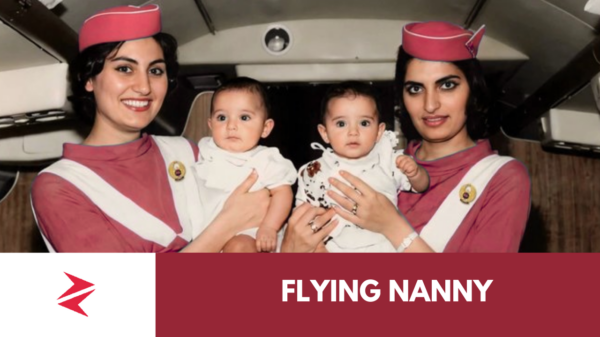
PIA’s 1960s “Flying Nanny” service saw infants fly 4,500 miles unaccompanied. The story of Momi Gul Durrani blends aviation pride and tragedy.

Opinions

Pakistan cuts wheeling charges by Rs 4.04/unit and lowers export refinance rates to 4.5%. What changed, what didn’t, and why it matters.

Economy & Markets

Pakistan’s debt crisis isn’t about taxes. It’s about spending, debt servicing, and why PSX already prices this reality.

Economy & Markets

Why interest rates dominate PSX returns. A data-driven breakdown of how rate cycles reshape banking, energy, fertilizers, and valuations on Pakistan’s stock market.

Economy & Markets

Fertilizer stocks on PSX are not about demand growth — they are about who survives policy cycles with margins intact. EFERT currently does that...

Advertisement

Trending

Top