








































What Nobody Is Telling Pakistan’s E-Commerce Founders
The greatest competitive advantage in Pakistani e-commerce is not another discount banner. It is accountability.
A seller who clearly identifies the product origin, publishes a readable warranty, answers the phone, dispatches when promised and resolves a legitimate return can outperform a cheaper competitor because Pakistani buyers already understand that the lowest displayed price may contain hidden costs. The uploaded learning material makes the same point differently: a lower price may conceal weaker authenticity, harder returns and greater seller variability, while a higher price can purchase consistency and reassurance.
This is also why Pakistan’s broader digital-economy debate cannot be reduced to internet users and app downloads. Institutions matter. Consumer redress matters. Tax treatment matters. The controversy discussed in SadaPay’s withholding-tax refund case demonstrates how apparently simple digital transactions can become difficult once accountability is divided between platforms, banks, regulators and service providers. The same institutional weakness appears in business and investment discussions surrounding the Special Investment Facilitation Council: growth announcements mean little unless implementation, transparency and recourse move with them.
Pakistan does not need to copy every Western e-commerce structure. It needs systems designed for Pakistani realities: mobile-first pages, Urdu-capable support, verifiable seller identities, low-friction Raast payments, realistic COD management, tamper-aware packaging, open-parcel protocols where practical and dispute resolution that does not force a customer to chase five departments.
2026 E-Commerce Glossary
Marketplace: A platform where multiple third-party sellers list products. The marketplace may manage payment, visibility and logistics without owning every product. Daraz and AliExpress are examples.
Controlled Retailer: A business that controls most of the inventory, pricing and fulfilment experience. Brand websites, supermarkets and specialist stores generally fit this model.
Classified Platform: A service that connects buyers with individual sellers through listings. OLX is a classified platform rather than a conventional full-service retailer.
Direct-to-Consumer Retailer: A brand selling its own products directly through its website or app. Sapphire, Khaadi, Gul Ahmed and Samsung’s official channel are examples.
Specialist Retailer: A store focused on one category, such as electronics, computers, books or pharmacy products. PriceOye, Czone, Shophive, DVAGO and Liberty Books fall into specialist categories.
Cross-Border Marketplace: An international platform through which Pakistani buyers may access overseas products, subject to delivery eligibility, customs and foreign-payment restrictions.


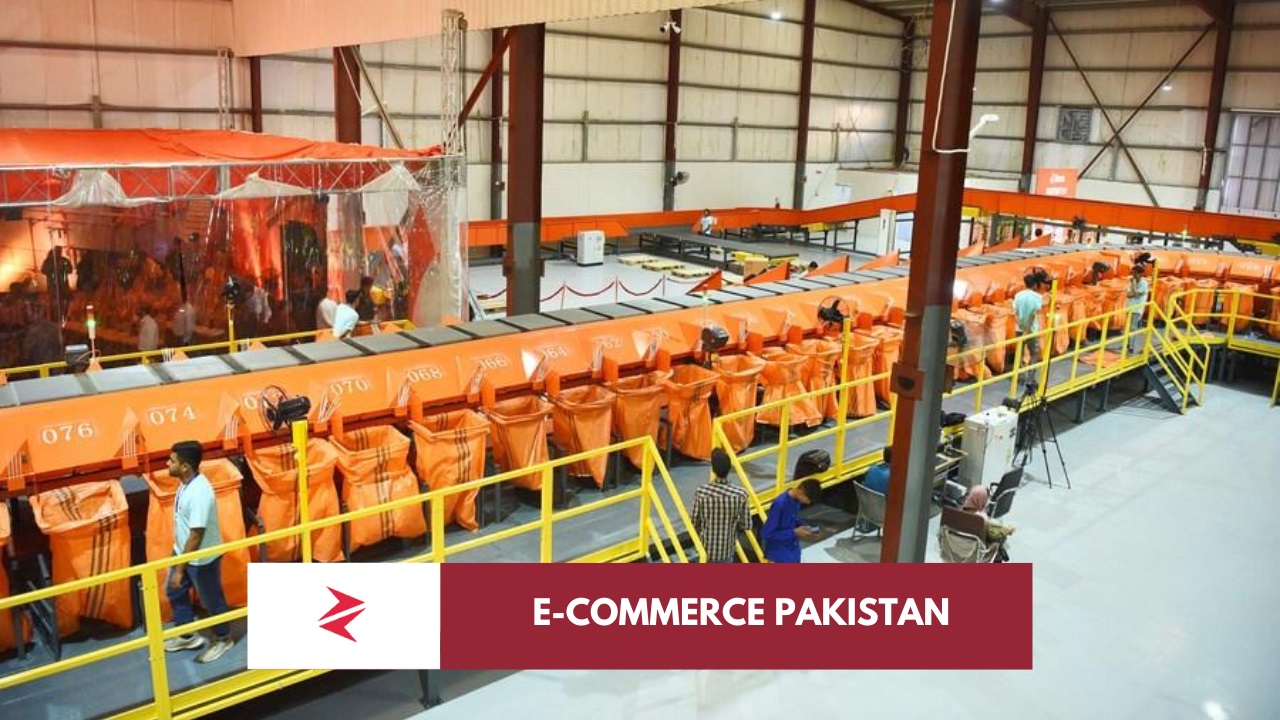
Fulfilment: The complete process of holding stock, packing an order, dispatching it, delivering it and managing a failed delivery or return.
Cash on Delivery: Payment collected when the parcel reaches the buyer. It reduces prepayment anxiety but does not guarantee authenticity or an easy return.
Open-Parcel Delivery: A controlled inspection process offered for certain products by some sellers or couriers before final acceptance. Conditions differ, and opening a parcel may not permit product activation or extensive testing.
Official Warranty: Coverage provided by the manufacturer or its recognised Pakistani distributor.
Seller Warranty: Coverage offered by the retailer or importer rather than the original manufacturer. It can be legitimate, but the buyer must understand who is responsible.
Return Window: The period during which an eligible product can be returned. This should not be confused with warranty coverage.
Reverse Logistics: The movement of rejected, returned, damaged or exchange products from the customer back to the seller or warehouse.
Social Proof: Reviews, ratings, customer photographs and testimonials used to reduce buyer uncertainty. Social proof is valuable only when it is recent, verifiable and difficult to manipulate.
Raast Checkout: A digital-payment acceptance route connected with Pakistan’s instant-payment infrastructure, increasingly relevant to merchants as regulated entities expand QR, payment-gateway and person-to-merchant solutions.
Frequently Asked Questions
Which is Pakistan’s most visited online shopping website in 2026?
Daraz ranked first in both Similarweb’s June 2026 e-commerce category and Semrush’s broader Pakistan retail dataset.
Which online store is best for electronics in Pakistan?
PriceOye is the strongest traffic-visible specialist for mainstream mobiles and electronics, while Samsung’s official store offers direct brand accountability. Shophive, Czone, Mega.pk and Paklap remain relevant for laptops, computer components and specialist inventory. The correct choice depends on warranty, product variant, stock origin and after-sales responsibility.
















Wan AI
July 21, 2026 at 2:50 pm
What stood out to me is the emphasis thatBlog Comment Creation Guide strong online stores are built on trust and customer experience, not just traffic numbers. Rankings like this are more useful when they encourage businesses to focus on transparency, reliable service, and long-term reputation instead of chasing short-term growth. It would also be interesting to see how these factors evolve as Pakistan’s e-commerce market continues to mature.