






































Share the post “How IMF Programs Actually Move PSX: Short-Term Relief vs Long-Term Reality”
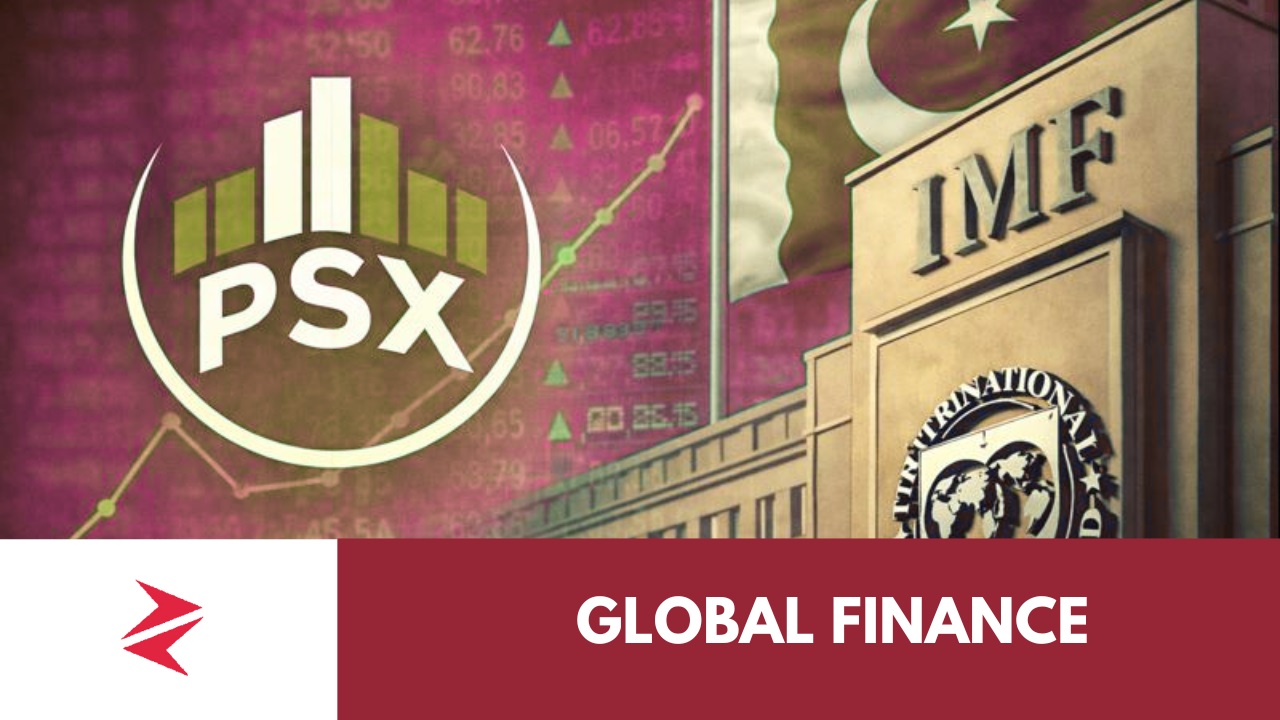
IMF Is a Liquidity Event, Not a Valuation Signal
This is the core takeaway.
IMF approval:
-
Improves liquidity
-
Compresses risk premium
-
Buys time
It does not:
-
Raise intrinsic value automatically
-
Guarantee earnings growth
-
Fix structural imbalances
That’s why IMF rallies fade unless domestic reform follows.
How Smart Investors Should Read IMF News
Instead of asking:
“Should I buy now?”
Ask:
Share the post “How IMF Programs Actually Move PSX: Short-Term Relief vs Long-Term Reality”
if ( function_exists( 'pgntn_display_pagination' ) ) pgntn_display_pagination( 'multipage' );