







































Why “IMF Exit” Talk Doesn’t Move Markets
You said it plainly—and correctly:
IMF programmes end only when governance begins.
Markets agree.
IMF exit rhetoric without:
-
Export reform
-
Tax enforcement
-
Governance credibility
is treated as noise.
PSX rallies on cash certainty, not speeches.
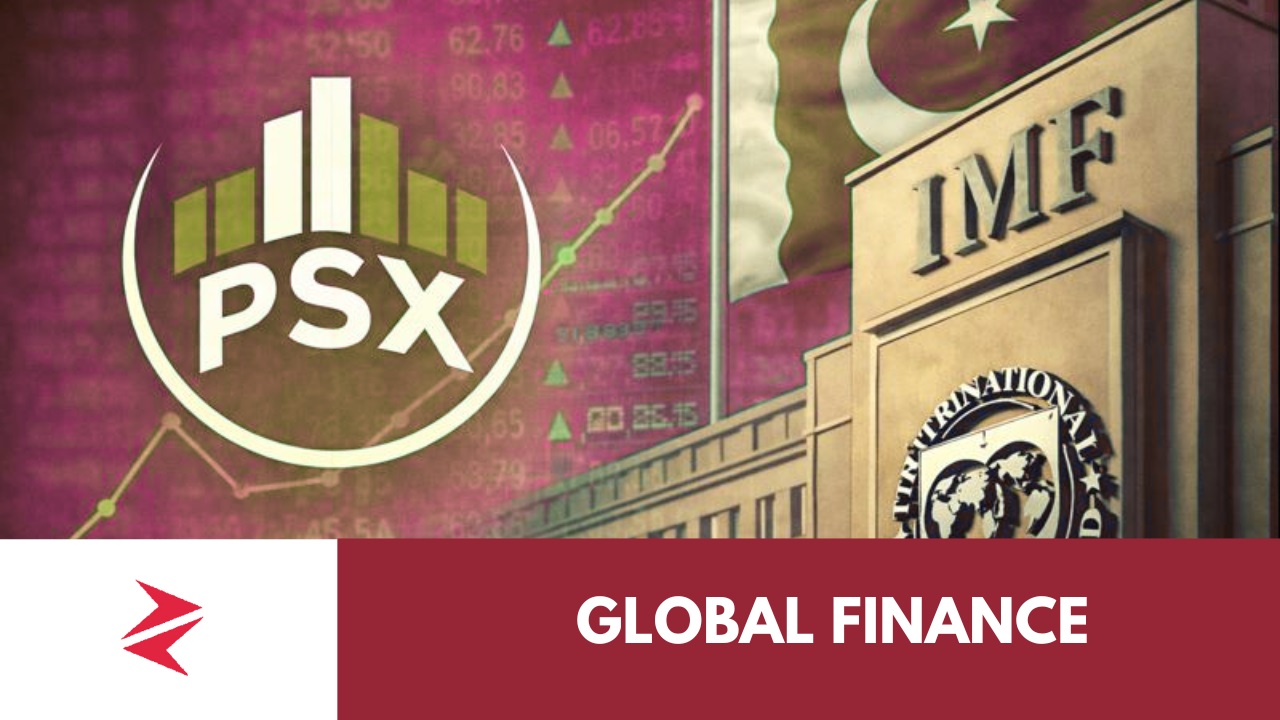
IMF Is a Liquidity Event, Not a Valuation Signal
This is the core takeaway.
IMF approval:
-
Improves liquidity
-
Compresses risk premium
-
Buys time
It does not:
-
Raise intrinsic value automatically
-
Guarantee earnings growth
-
Fix structural imbalances
That’s why IMF rallies fade unless domestic reform follows.

if ( function_exists( 'pgntn_display_pagination' ) ) pgntn_display_pagination( 'multipage' );