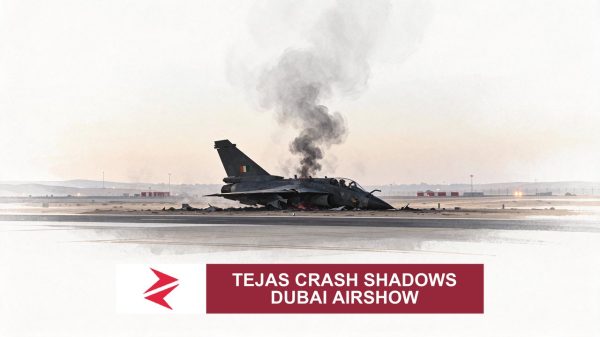
































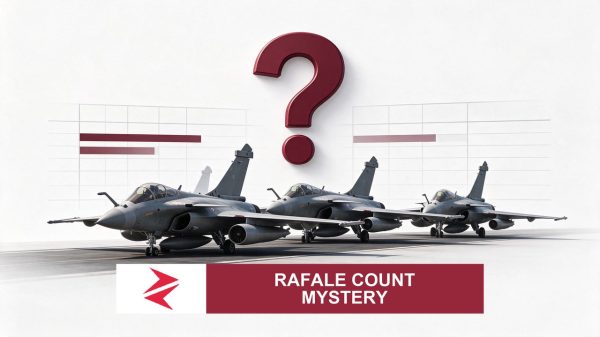


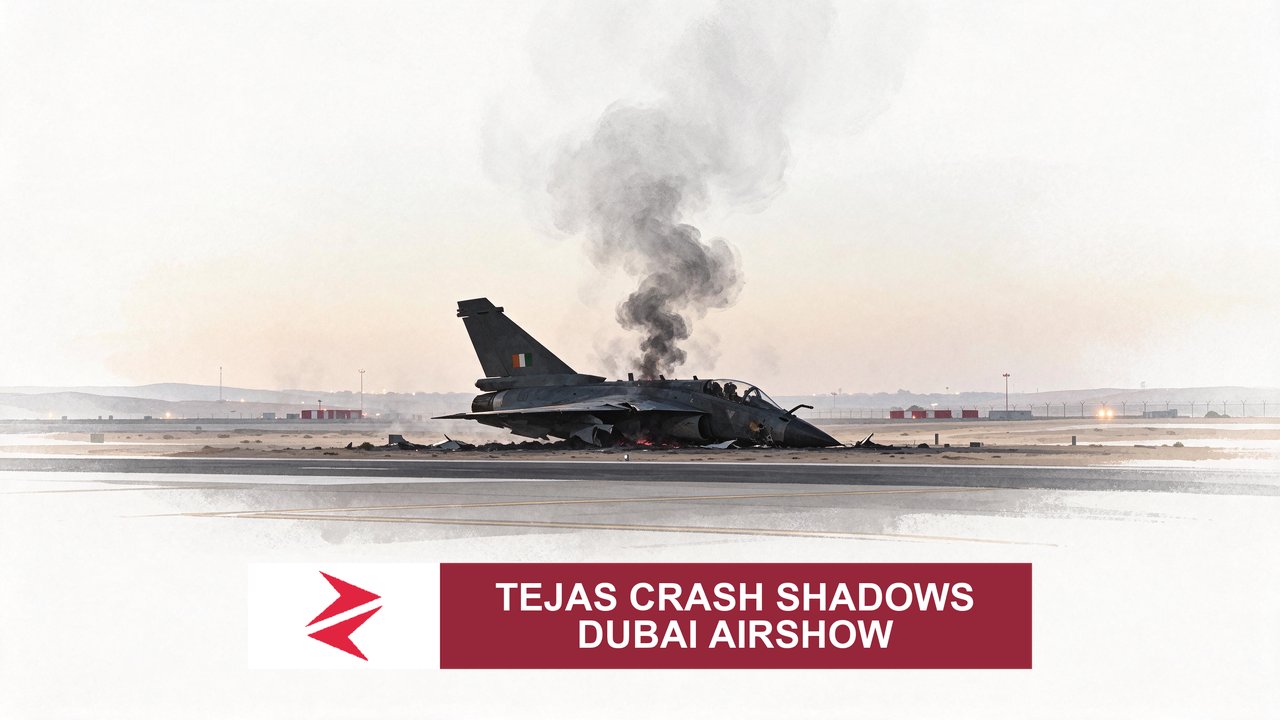
Meanwhile, Indian defence analysts have been busy pointing to the delivery of 18‑20 airframes since the programme’s “Op Sindoor”, but no engine has been fitted to most of them (post). The contradiction between “new airframes” and “no powerplant” fuels speculation that the crash was less an accident than a symptom of a chronic production bottleneck.
What it means for ordinary Pakistanis
Every Pakistani who pays for electricity, fuels a motorbike, or watches cricket on a shaky TV set feels the ripple. Defence budgets are a zero‑sum game; money poured into a neighbour’s faltering jet programme is money not spent on roads, hospitals, or wheat subsidies at home. When the IAF cannot field a reliable fighter, the regional balance tilts, and Pakistan’s own PAC‑J‑17 fleet—already stretched thin—faces a higher chance of being called into a real confrontation.
In the streets of Lahore and Karachi, the anniversary of the crash is marked not by fireworks but by heated debates on X. One user lamented, “Tejas is the most miserable jet in the world, has the highest crash rate & no international buyers” (post). While the language is hyperbolic, the underlying point is clear: a jet that cannot reliably fly threatens national security and, by extension, the everyday safety of citizens.