





























Ordinary Pakistanis and the Real Cost
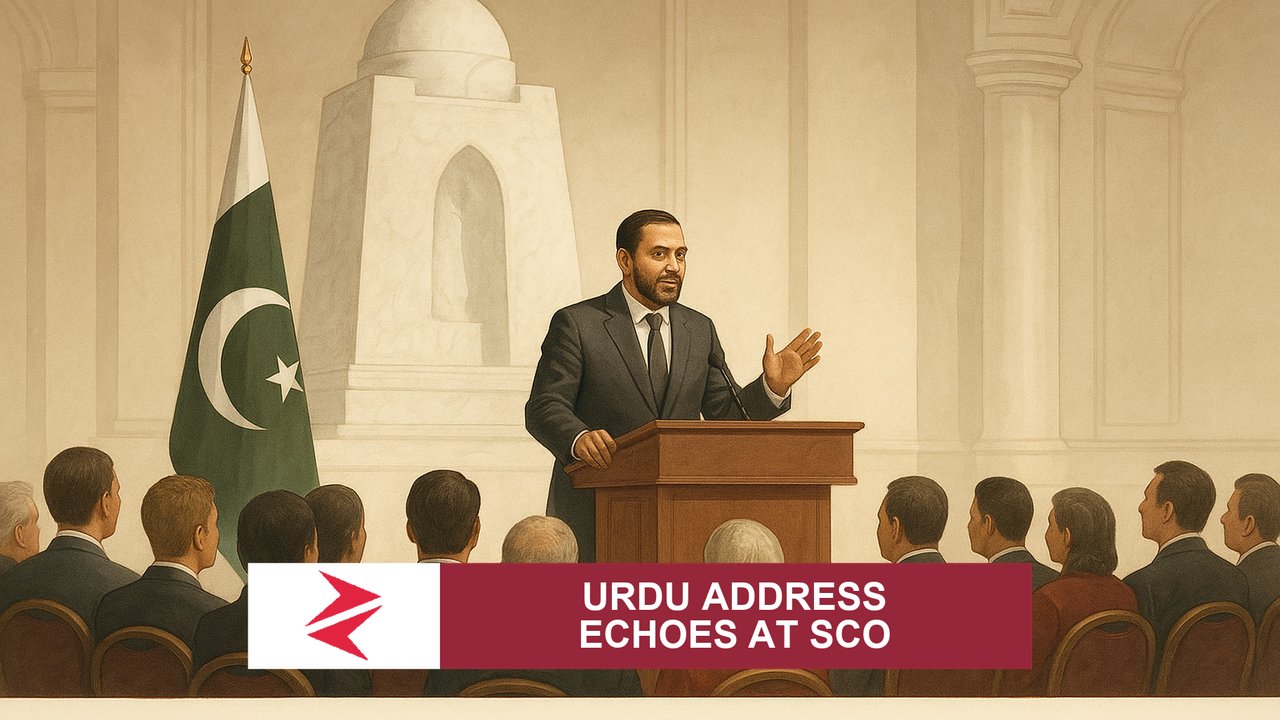
Beyond the diplomatic optics lies a simple question: will this cultural overture translate into tangible relief for citizens grappling with energy shortages, inflation and crumbling infrastructure? If a minister can command respect by invoking Ghalib, the same political will could be directed toward water supply, job creation and affordable electricity. The public cost of allowing cultural pride to remain a sound‑bite is high; without material progress, the gesture becomes hollow.
Political Backlash and the Soft‑Power Test
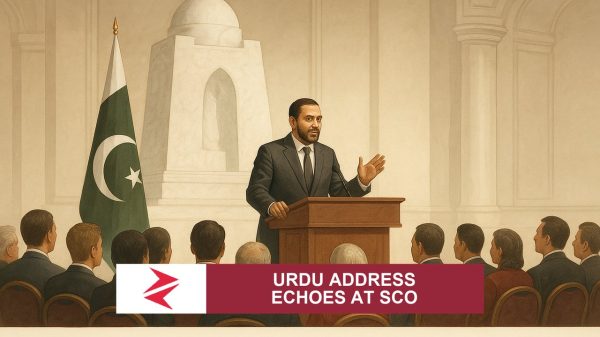
India’s Ministry of External Affairs described the SCO gathering as a “multilateral forum that invites all member states and dialogue partners” (Evidence 14). Yet the Indian opposition slammed Malik’s visit as “soft‑handed diplomacy” that distracts from pressing bilateral issues (Evidence 10). Congress accused the Modi government of “softness on Pakistan” while Pakistan’s own critics warned that the Urdu address could be a veneer over deeper geopolitical tensions (Evidence 13). The clash of narratives underscores how cultural diplomacy is immediately weaponised in South‑Asian politics.
What Accountability Demands
The real test will be whether the goodwill generated at Ghalib’s tomb can be leveraged into policies that alleviate daily hardships on both sides of the border. Ordinary Pakistanis watching from Karachi ask: what is the price of pride, and who will pay it? The answer hinges on whether governments treat cultural gestures as bridges for genuine cooperation or let them dissolve into another sound‑bite in the endless theatre of rivalry.