













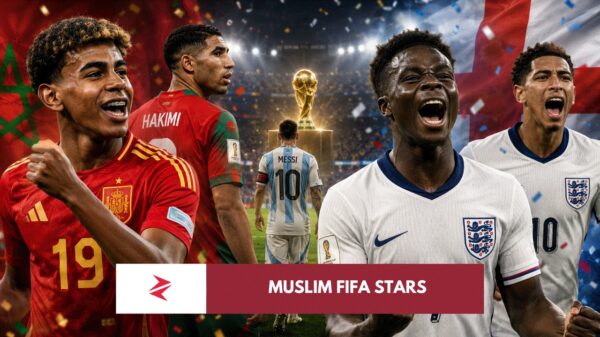
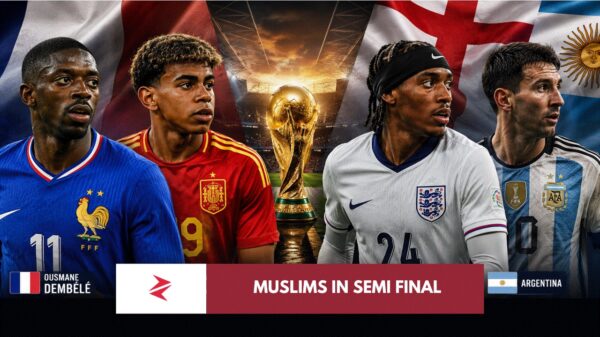










History will remember Spain’s 1–0 extra-time victory over Argentina as the match that delivered their second FIFA World Cup and the first European triumph on American soil. Yet beneath the celebrations lies another story that deserves equal attention. Throughout the tournament, Muslim footballers and players from Muslim heritage backgrounds consistently influenced the biggest matches, produced decisive moments, and shaped the tactical identity of several title contenders. From Morocco’s historic run to Spain’s eventual coronation, their contributions extended well beyond individual brilliance and became integral to the competition’s defining narrative.
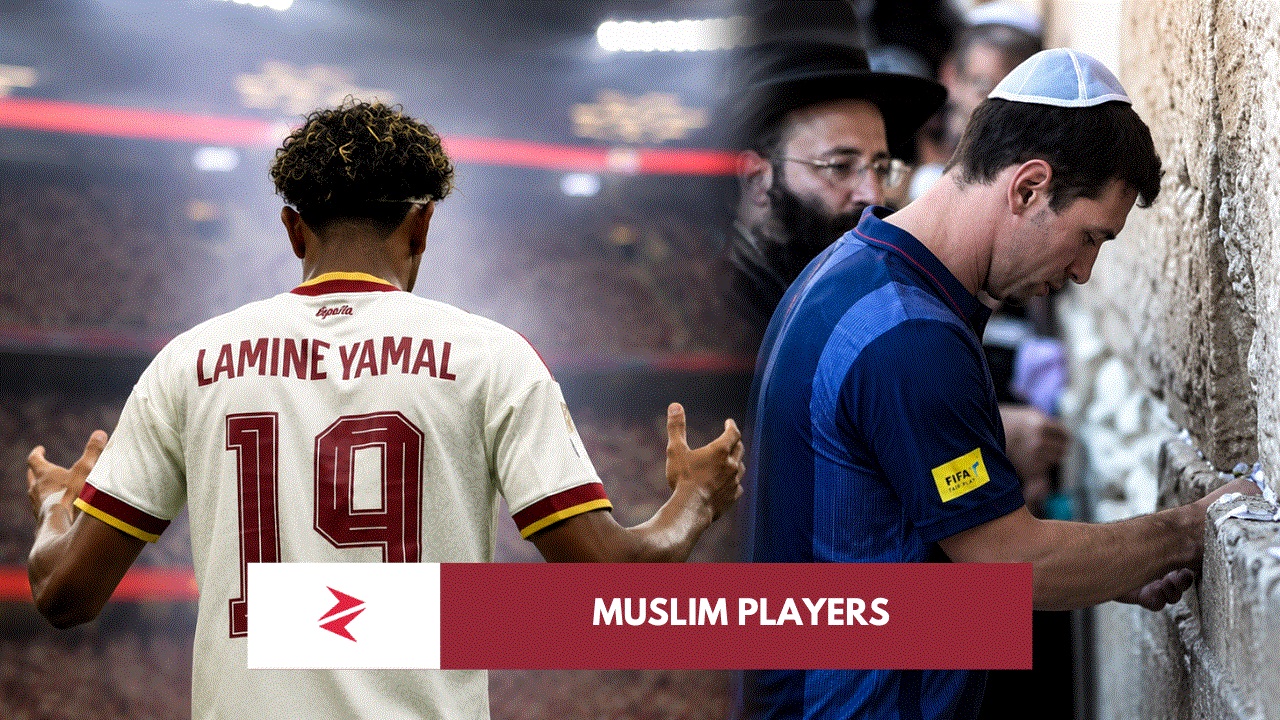
The final itself reflected that influence. Spain’s attacking rhythm revolved around Lamine Yamal and Nico Williams, while Argentina found themselves repeatedly forced to defend wide overloads rather than impose their own possession game. Extra time eventually separated two outstanding teams, but Spain’s youthful attacking core proved decisive.
Tournament Summary
| Stage | Muslim-majority Nations Remaining | Key Contribution |
|---|---|---|
| Group Stage | Morocco, Saudi Arabia, Iran, Tunisia | Competitive performances across multiple groups |
| Round of 16 | Morocco | Continued representing Muslim-majority nations |
| Quarter-finals | Morocco | Sole Muslim-majority nation remaining |
| Semi-finals | Morocco | Historic consistency on the world stage |
| Final | None | Muslim representation continued through elite players representing European nations |
Morocco remained the highest-performing Muslim-majority nation, while Muslim players continued to feature prominently in several European squads that ultimately contested the tournament’s latter stages.
